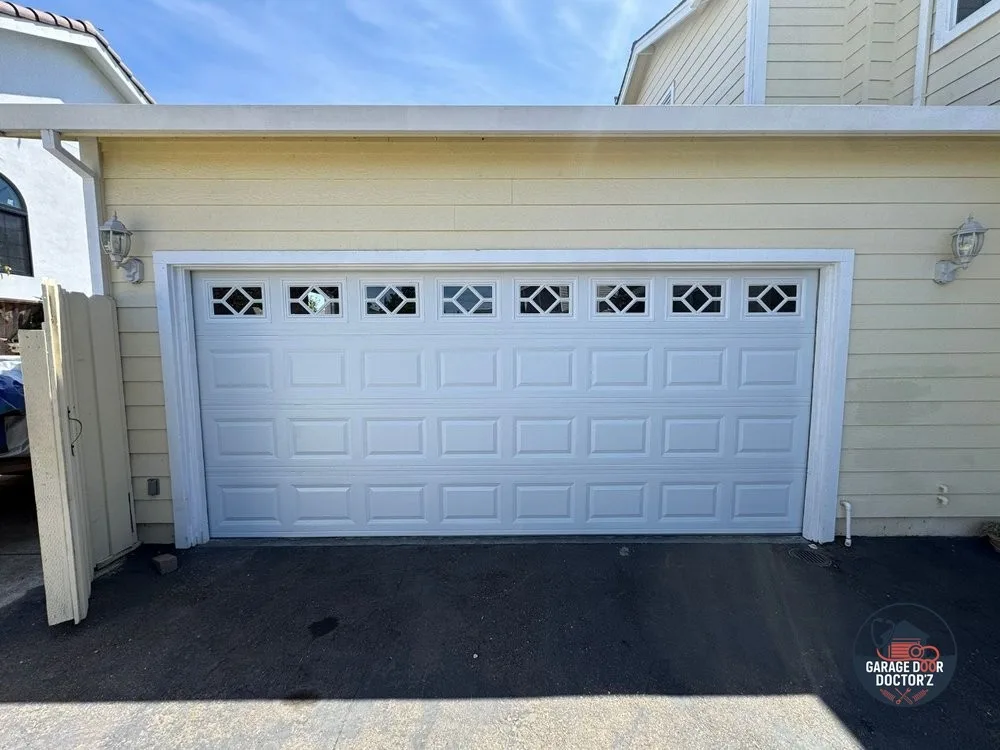
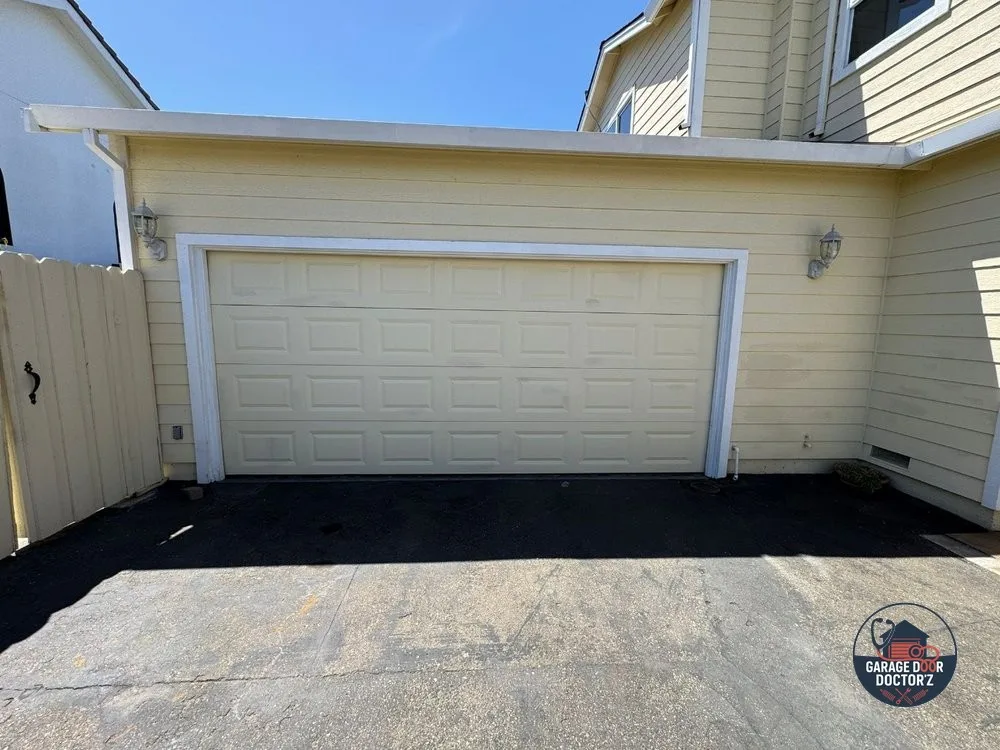
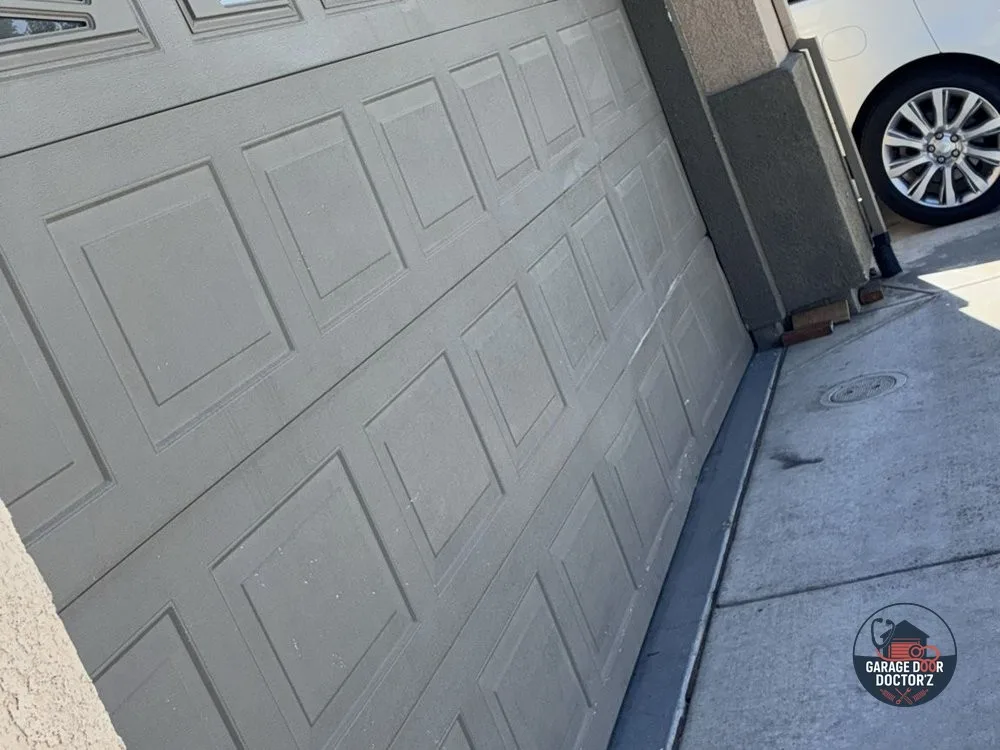
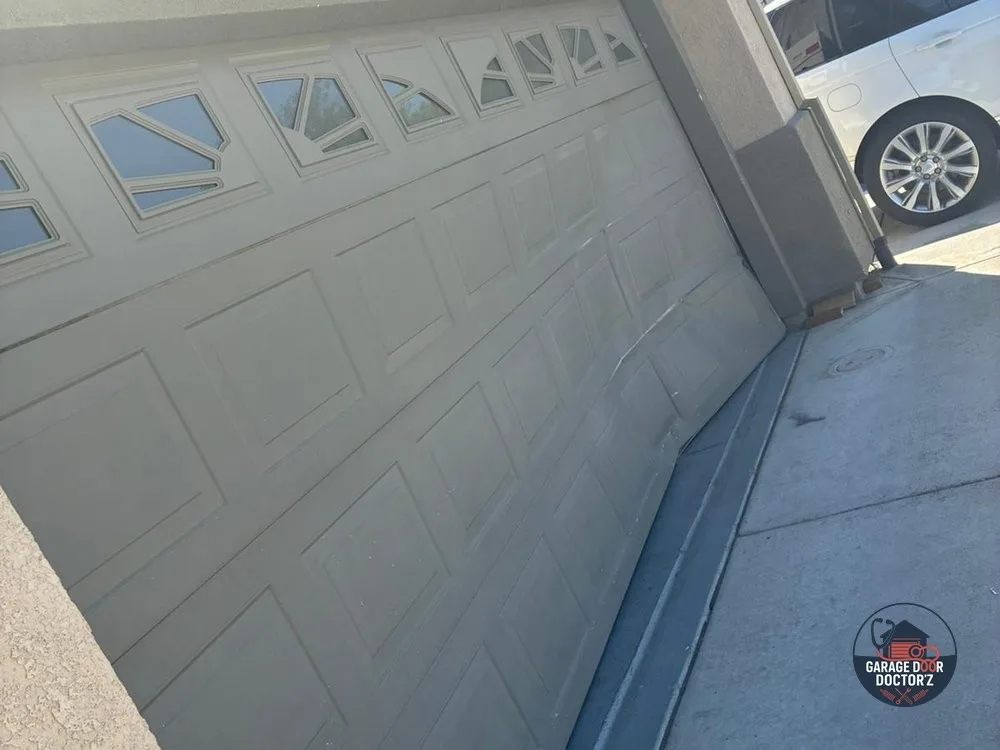
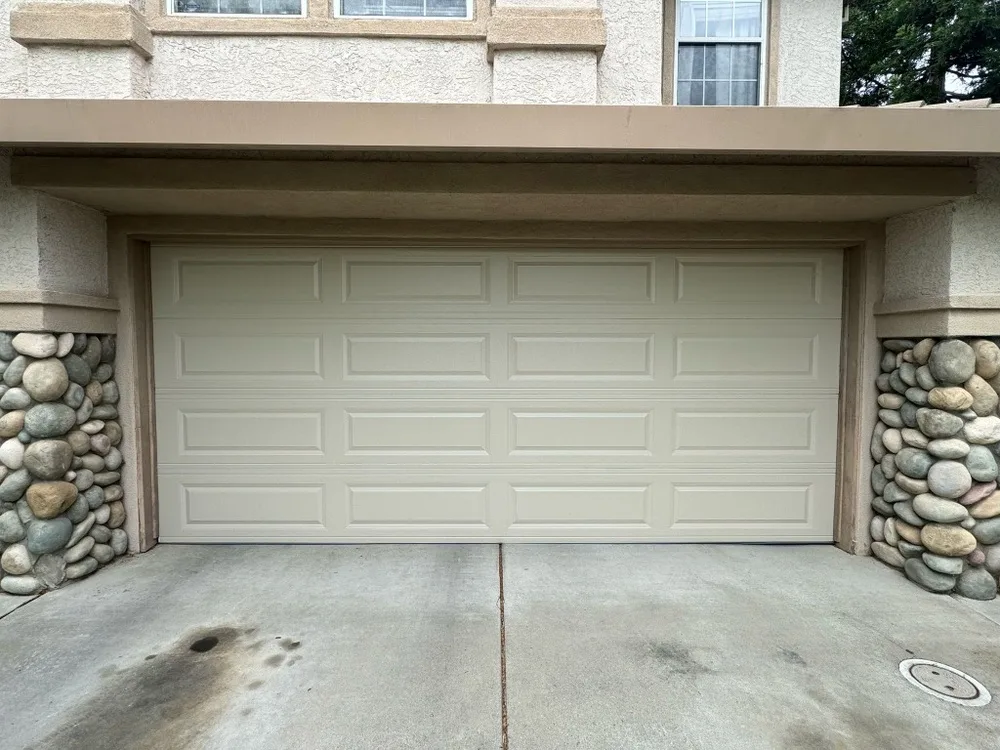
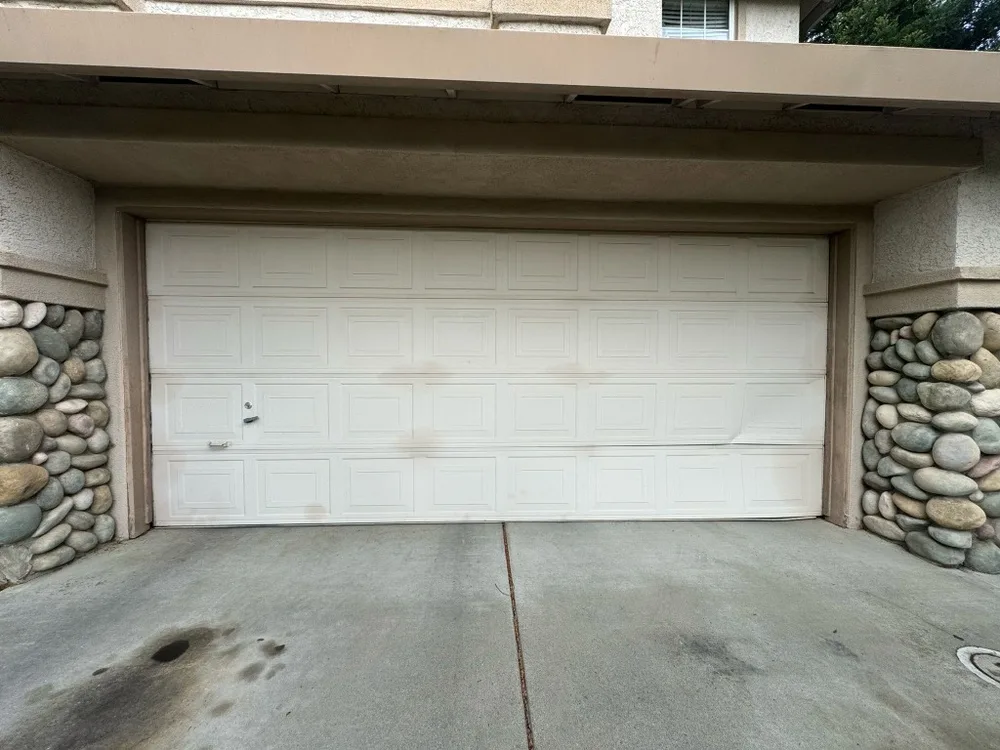
At Garage Door Doctor’z, we deliver premium, long-lasting garage door repairs, whisper-quiet opener upgrades, and custom architectural door installations across California. Our State Licensed experts perform high-cycle spring counterbalance replacements and safety calibrations with standard pricing, and $0 emergency upcharges for night or weekend service. Call us today at (833) 991-3899 for same-day scheduling!
📍 Proudly serving the entire California region — Dispatching highly trained local crew specialists directly to your neighborhood for immediate smart upgrades, maintenance, and emergency repairs.

Chief Specialist: "Select your issue below, and I'll get you an upfront callback in under 15 minutes!"
Verify fast local response and get an upfront callback in under 15 minutes!












Don't let a snapped spring, snapped cable, ripped weather seal, or a defective remote keep you locked inside. Our expert teams carry fully stocked dispatch trucks. We regularly perform comprehensive garage door maintenance (inspection, lubrication, adjustment, and component testing) to keep your system safe. We work across California.
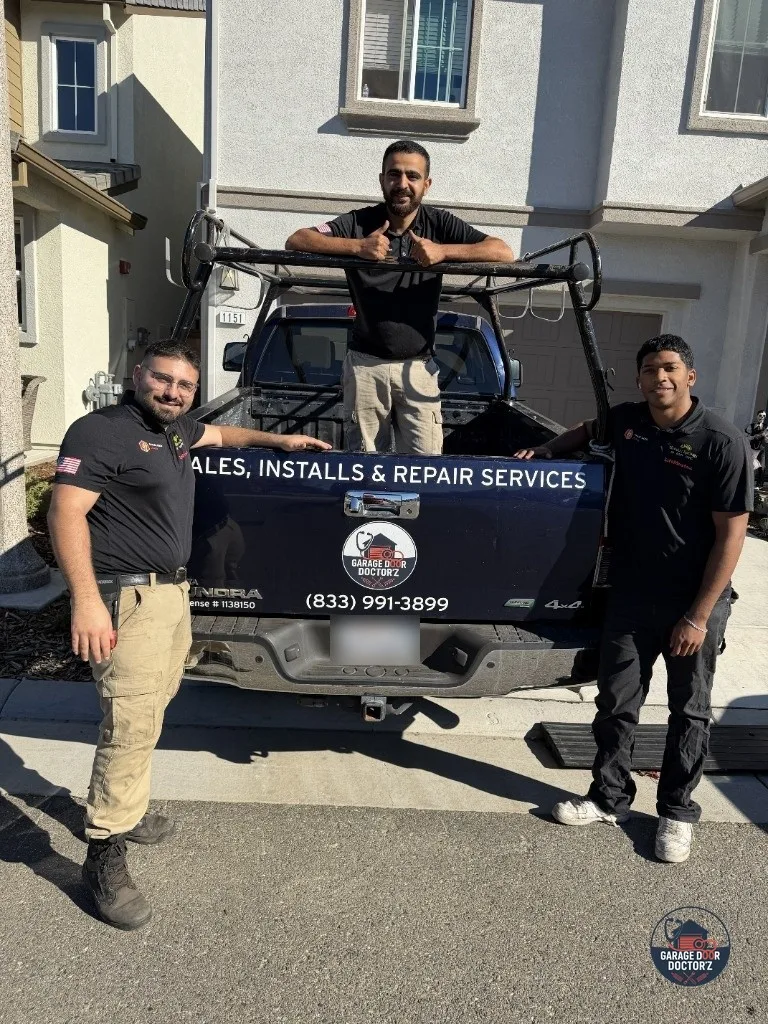
From new door installs to emergency spring replacements, Garage Door Doctor'z delivers expert solutions with same-day availability, licensed technicians, and no shortcuts.
Save on your next repair, opener upgrade, or custom installation with our online-only coupons. Show these to your technician to claim the discount — limit one discount per order.
Take 15% off any garage door repair service, spring replacement, or custom installation for all new customers in California.
Get 5% off any garage door service or new door installation for all seniors in the California area. Show to your technician to redeem.
We offer an additional 5% discount for all active duty, retired military, and veterans in our local community as a thank you for your service.
Complete professional 25-point safety inspection, door balance testing, hinge adjustments, and premium mechanical lubrication. Our tune-up special is $69 instead of $89.
Every repair, replacement, or installation in California and surrounding areas is completed by our background-checked, licensed local professionals. Active, tracked dispatch details below:
See how our local 'Doctors' are repairing and replacing garage doors in your local neighborhood with $0 extra emergency fees, featuring replies from our specialists:
"The Garage Door Doctor Z did an outstanding job on replacing my torsion spring. All work was done in a professional and timely manner."
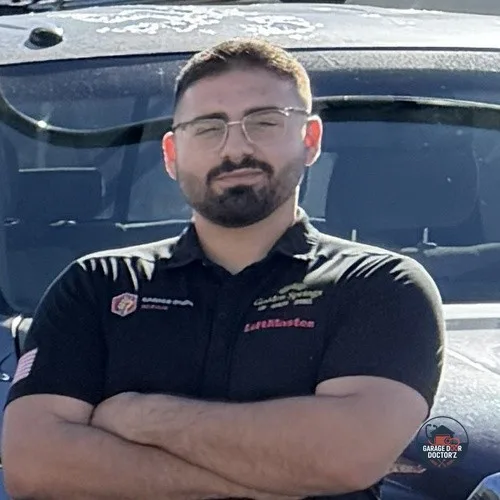
"You're very welcome, Derald! Glad I was nearby to get your torsion spring replaced safely on the spot today. Thanks for choosing us!"
"I highly recommend this company; the technician was polite, took his time, and made sure everything was safe and operating balanced perfectly before leaving."
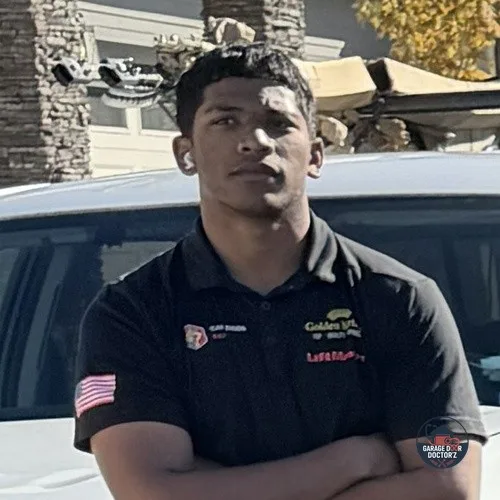
"Thank you, Chanchal! I always take my time to perform a full system safety audit and spring tension balance so you can rest assured everything is perfectly balanced and operating silently."
"Responded to my request in a few minutes and fixed my garage doors quickly. Very professional work and honest pricing!"
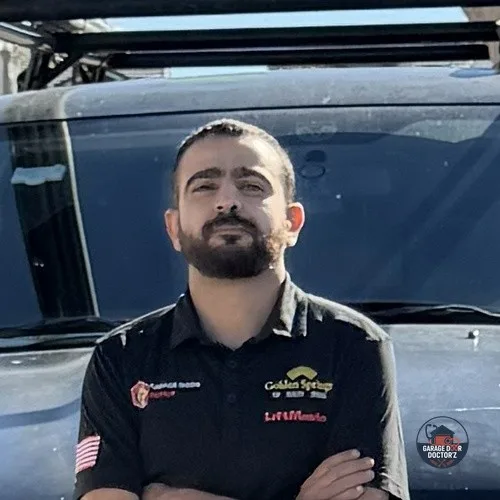
"Thanks, James! Same-day dispatch and upfront honest pricing are core promises here. I'm glad I could resolve your door issues quickly near the lake!"
See and hear directly from our satisfied customers explaining why they recommend the Garage Door Doctor'z:
Verified Customer
Happy Homeowner
Satisfied Client
Verified Customer
Happy Homeowner
Satisfied Client
Verified Customer
Happy Homeowner
 Premium Solutions
Top-tier repair, comprehensive servicing, and precision installations customized for local homes and businesses.
When an overhead system exhibits squeaking tracks, frayed lifting cables, or an assembly that has slipped completely off-track, our California-based technicians are fully equipped to resolve the issue. We offer rapid troubleshooting of photoelectric safety eyes, precision alignment of vertical and horizontal tracks, and replacement of degraded steel rollers with quiet nylon options. Every repair is backed by a comprehensive safety inspection of your entire counterbalance assembly to ensure safe, secure, and reliable operation.
Maximize the lifespan, operating silence, and reliability of your residential garage door with our signature proactive multi-point maintenance service. Operating throughout the California community, we perform precise torsion spring tension adjustments, critical counterbalance weight auditing, limit setting calibration on smart belt-drive openers, and complete high-grade lubrication of all moving metal components. Regular servicing prevents high-tension spring snaps and keeps your system performing like new.
Upgrade your home's curb appeal, security, and thermal insulation with premium custom garage door replacements built to withstand wind loads. We specialize in the precision installation of elegant carriage-house collections, ultra-modern insulated flush panels, and durable composite doors featuring exceptional R-value thermal performance. Our certified California installation specialists ensure perfect track integration, weather-tight perimeter seals, and seamless smart-home opener pairing.
We repair and install all makes, models, and major brands in California.
Prompt repairs for broken tracks, bent rollers, snapped cables, and off-track doors.
Know More ⇉Modern layouts including full-view aluminum glass doors and durable carriage-house wood designs.
Know More ⇉Expert torsion and extension spring replacement utilizing high-cycle commercial grade parts.
Know More ⇉Upgrade to heavy-duty belt or chain-driven quiet LiftMaster openers with built-in battery backup.
Know More ⇉Cost-effective single sectional panel replacements and high-tensile steel strut reinforcements.
Know More ⇉Immediate 24/7 priority realignment and track straightening to secure unstable, crooked doors safely.
Know More ⇉Connect your opener to myQ Wi-Fi to monitor, lock, and grant package dispatch access remotely.
Know More ⇉Snapping steel lift cables and grooved winding drums replaced and balanced under high spring tension safely.
Know More ⇉Squeaky, rusted track rollers upgraded to ultra-quiet, high-cycle 13-ball-bearing sealed nylon wheels.
Know More ⇉Custom security gates and drive slide motors repaired and automated to streamline estate entries.
Know More ⇉High-speed roll-up doors, industrial openers, and sectional loading docks for local businesses.
Know More ⇉Comprehensive tune-ups, motor limit checks, safety sensor alignment, and force balance calibrations.
Know More ⇉
Product Directory
A professional curated catalog of top-performing garage door styles, manufacturers, and smart utility upgrades for your home.
Explore architectural trends popular across local neighborhoods. From rustic wood-grain carriage overlays that complement historic properties near historic downtown areas, to sleek, minimalist glass-and-aluminum designs perfect for contemporary estates, we match your home's unique style with durable weather-resistant performance.
We partner exclusively with industry-leading brands renowned for exceptional craftsmanship, lifetime warranties, and superior wind load ratings. Get factory-direct access to elite models from Clopay, C.H.I. Overhead Doors, Wayne Dalton, and Amarr, custom-ordered and professionally installed for ultimate peace of mind.
Enhance your daily convenience, home safety, and system lifespan with high-durability accessories. We offer smart LiftMaster openers featuring WiFi camera integration, custom-coded keypads, 20,000 high-cycle torsion springs, and premium nylon-coated rollers that reduce track noise by 75%.
Is your garage door acting up? Let the Garage Door Doctor diagnose the problem immediately!
Your torsion spring has snapped under heavy tension. The motor cannot lift the raw door weight alone.
Stripped internal nylon gears or a failed capacitor. We carry complete LiftMaster opener repair kits in all trucks.
A cable has slipped off the drum, or a roller has popped out. Operating it now will bend the tracks.
Dry metal bearings in rollers or hinges. Needs sealed nylon rollers and high-temp silicone lubrication.
Find answers to common garage door issues, emergency repair response times, and pricing questions from homeowners in California.
Yes, absolutely! We offer guaranteed same-day garage door repair service to all residential and commercial customers throughout California. Our local technicians are dispatched statewide, allowing us to respond quickly. Best of all, we charge standard rates with no extra emergency fees for weekend or late-evening service calls.
The cost of garage door spring replacement depends on the door size, weight, and spring type (torsion springs vs. extension springs). We use commercial-grade, high-cycle springs designed for high-cycle opening lifetimes. All spring repairs include a comprehensive 25-point safety inspection and balance calibration to ensure the door operates smoothly and quietly. Call us at (833) 991-3899 for a direct, upfront price quote over the phone!
We service, repair, and install all leading garage door and opener brands. This includes top door manufacturers like Clopay, Amarr, Wayne Dalton, C.H.I., and Martin, as well as smart opener brands such as LiftMaster, Chamberlain, Genie, and Linear. Whether you have a modern glass door or a traditional steel carriage door in Sunwest, we have the specialized parts in stock to complete the job in a single visit.
Yes, Garage Door Doctor'z is a licensed, bonded, and insured professional service contractor operating under California State Contractor License #1138150. All of our technicians undergo rigorous training, background checks, and certifications. We never hire third-party sub-contractors, meaning you always get an expert, uniformed "Doctor" with a fully stocked truck to ensure high-quality workmanship.
If your garage door is off-track, crooked, or refuses to close, do not force it down manually as this can bend the steel tracks or snap the cables. Immediately pull the emergency release cord only if the door is fully closed, and call our emergency dispatch team. We specialize in track realignment, bent track repair, and roller replacement to restore safe, secure operations quickly.
We recommend scheduling a professional lubrication & tune-up and a 25-point safety inspection at least once a year. Regular garage door maintenance prevents unexpected breakdowns, extends the life of your torsion springs, and ensures your smart opener motor and safety sensors are perfectly calibrated.
Loud grinding, squeaking, or rattling noises usually indicate dry rollers, loose hinges, or a worn-out opener chain drive. Applying high-grade garage door lubricant to moving parts often helps, but worn steel rollers should be upgraded to ultra-quiet sealed nylon rollers. Our technicians carry heavy-duty replacement rollers and brackets to quiet down your system.
Yes, many modern smart openers allow DIY programming, but if you have a rolling-code system or complex smart hub like LiftMaster myQ or Aladdin Connect, programming can be tricky. We offer professional keypad reprogramming and remote pairing services to ensure your home access is highly secure and functioning correctly.
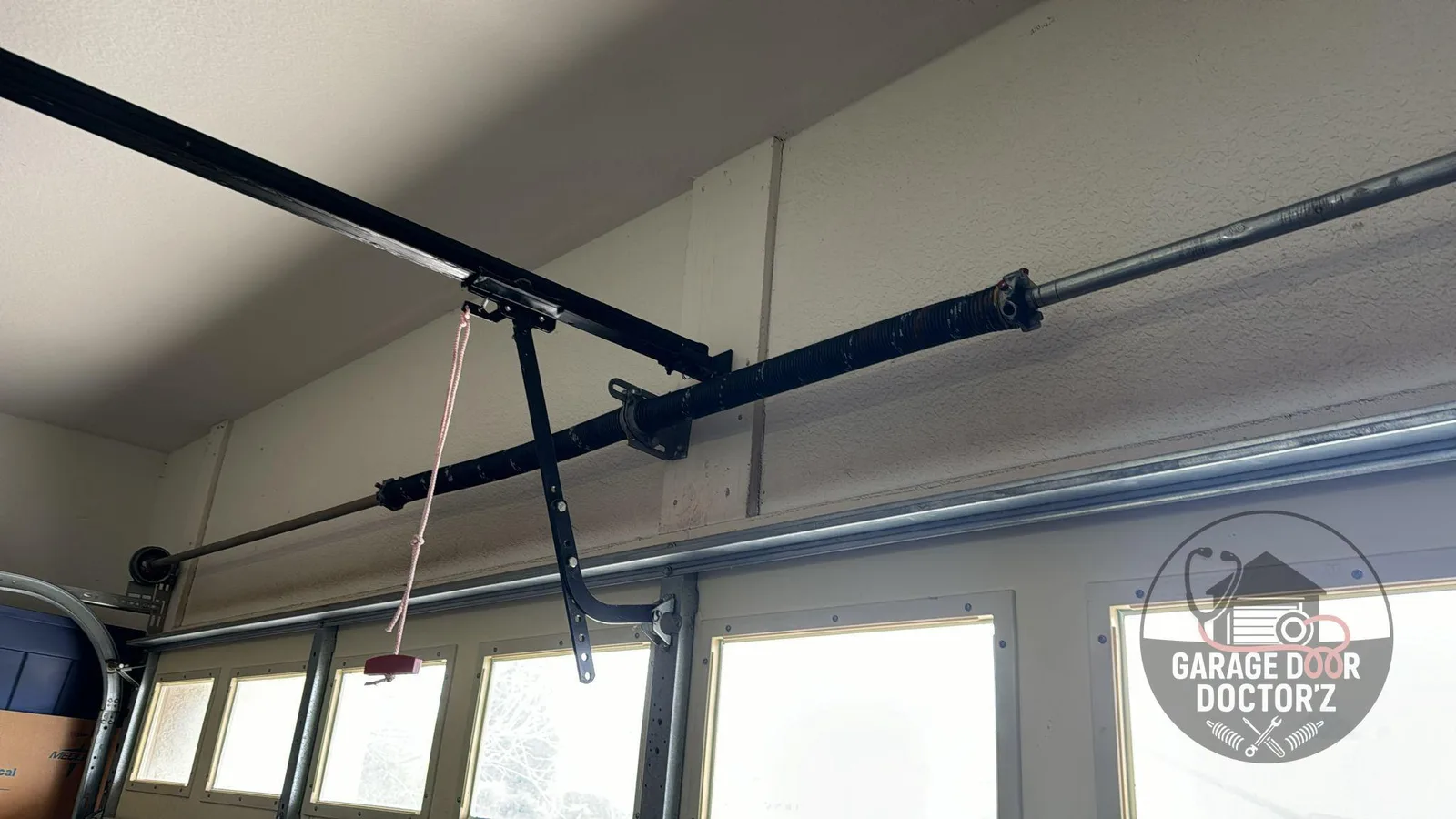
Torsion springs are mounted on a metal shaft above the garage opening and twist to lift the door, whereas extension springs run along the overhead tracks and stretch. Torsion springs are much safer, last longer, and handle heavy double-car or commercial garage doors far better. We recommend torsion spring conversions for ultimate safety.
Yes, we provide 24/7 emergency garage door service across the entire regional coverage area. If you are backed out of your garage or your car is trapped inside, our rapid dispatch specialists will arrive in under 30 minutes to perform emergency cable repair, spring replacement, or opener troubleshooting.
Always inspect your garage door's balance once a month. Pull the red emergency release cord while the door is fully closed and lift the door manually. It should lift smoothly with minimal resistance and stay halfway open by itself. If it feels heavy or falls back down, your torsion springs are losing tension, causing extra stress on your opener motor. Call us immediately to adjust or replace them before your motor burns out!
Subscribe to our YouTube channel for helpful diagnostics guides, full garage restorations, and spring installation highlights!
Watch on YouTubeFollow our Instagram for daily photos of high-premium custom glass, wood overlay, and modern steel garage door installs!
Follow on InstagramUpgrade your home's curb appeal and security with our professional garage door installation services in our local area. We offer an extensive selection of modern designs, including glass, custom aluminum, insulated steel, and classic carriage wood.
Our specialists carefully inspect your property to deliver a perfectly fitted door that resists delta wind drafts and expansion under CA valley heat. As proud community partners, we align with guidelines from the local Chamber of Commerce and the local municipality to guarantee top-tier service.
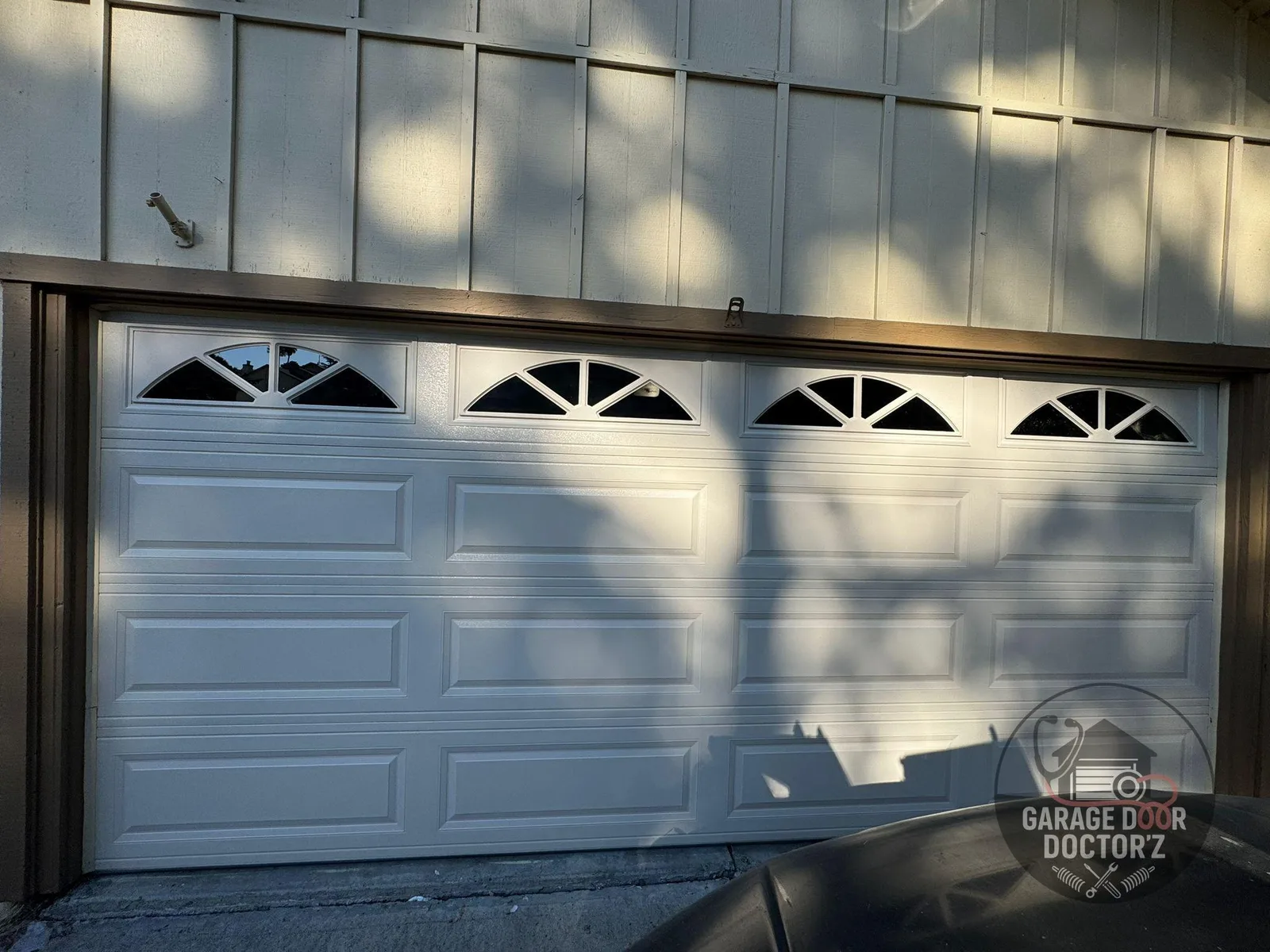
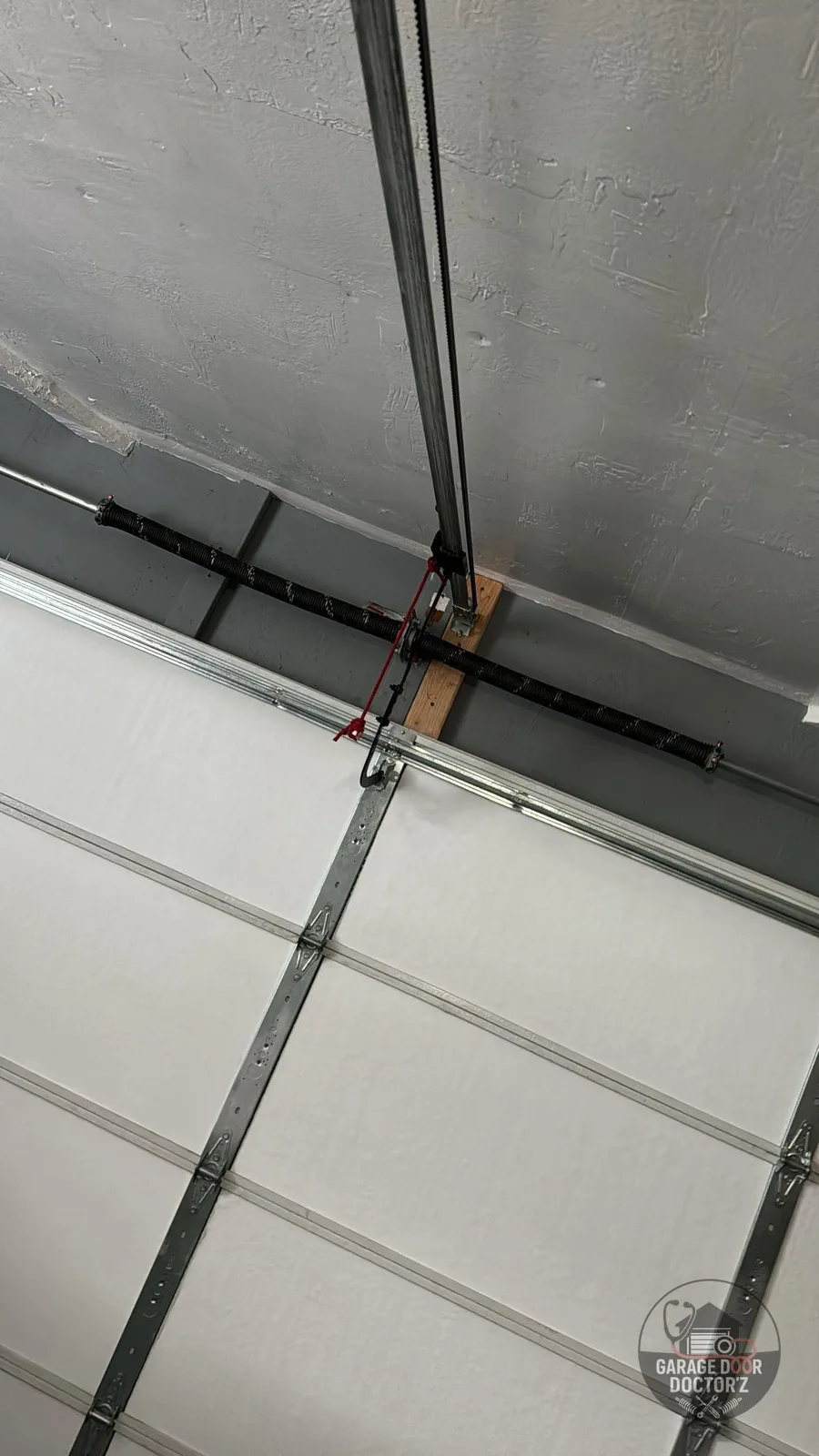
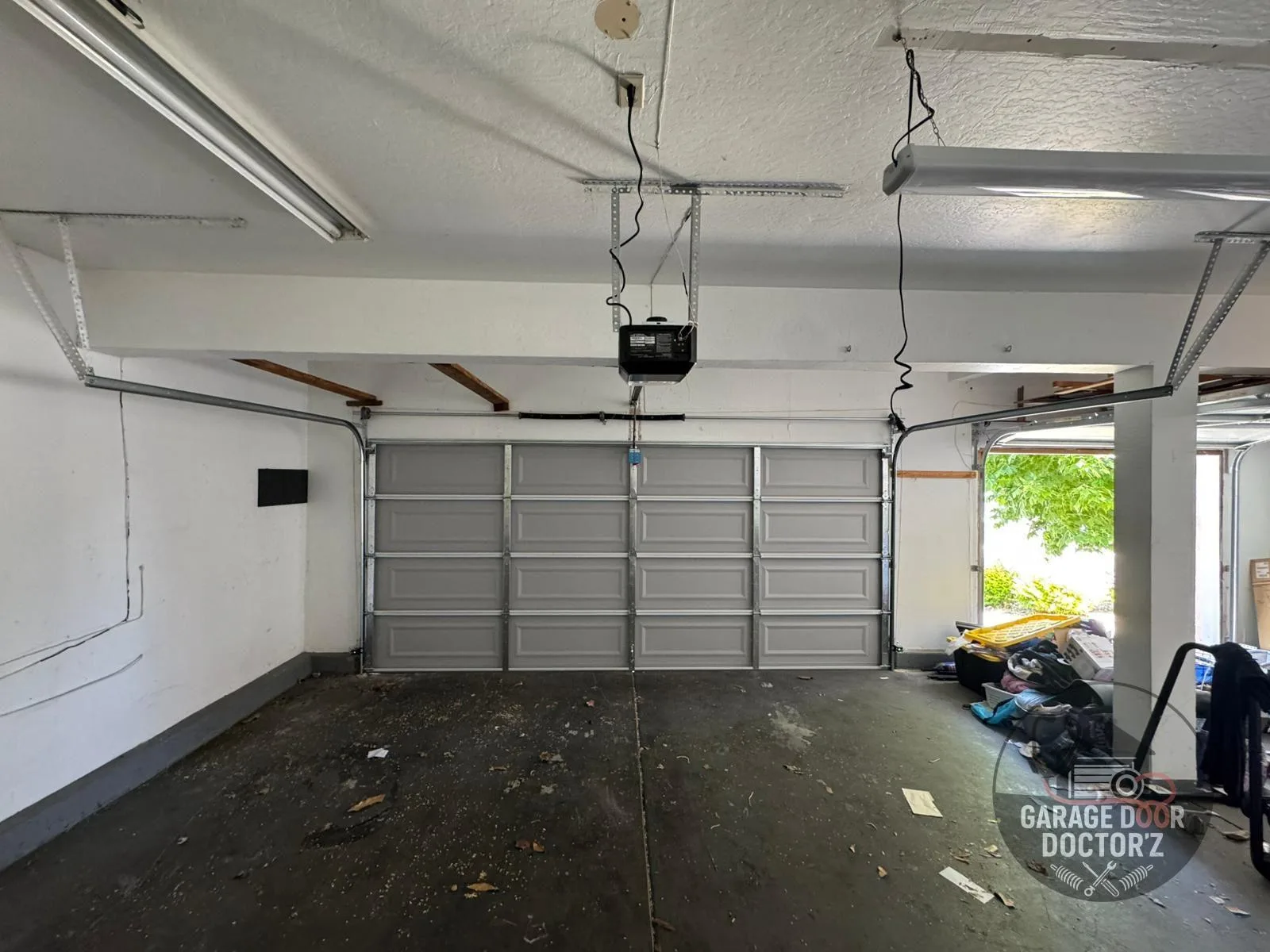
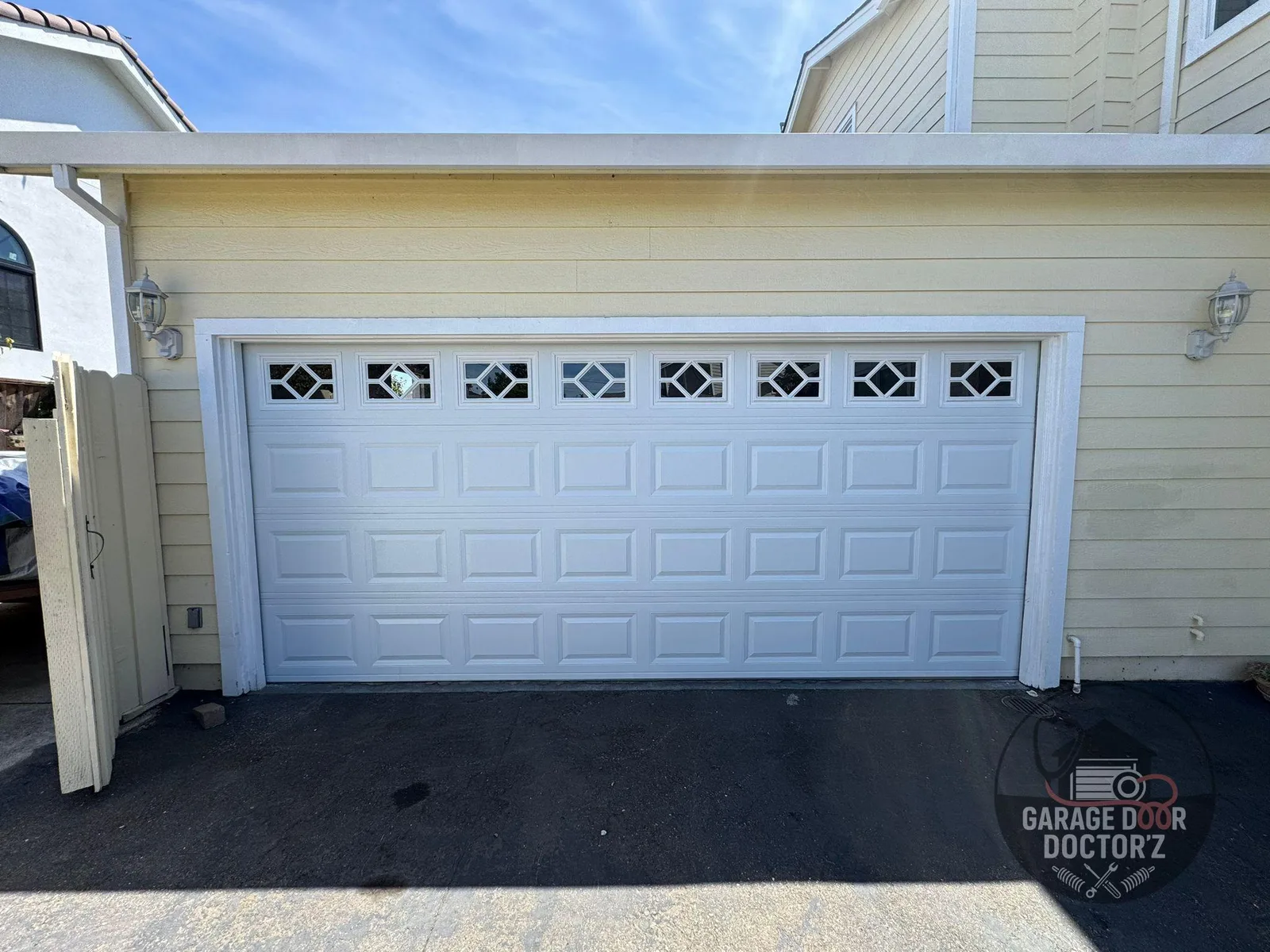
Proudly dispatching our certified technicians to all neighborhoods, cities, and counties across California.
Browse all 495 cities we dispatch to, grouped by county across 55 California counties.
Find Your City →