
































Garage Door Spring Repair in Sacramento, California: Signs of a Broken Garage Door Spring & What to Do Next
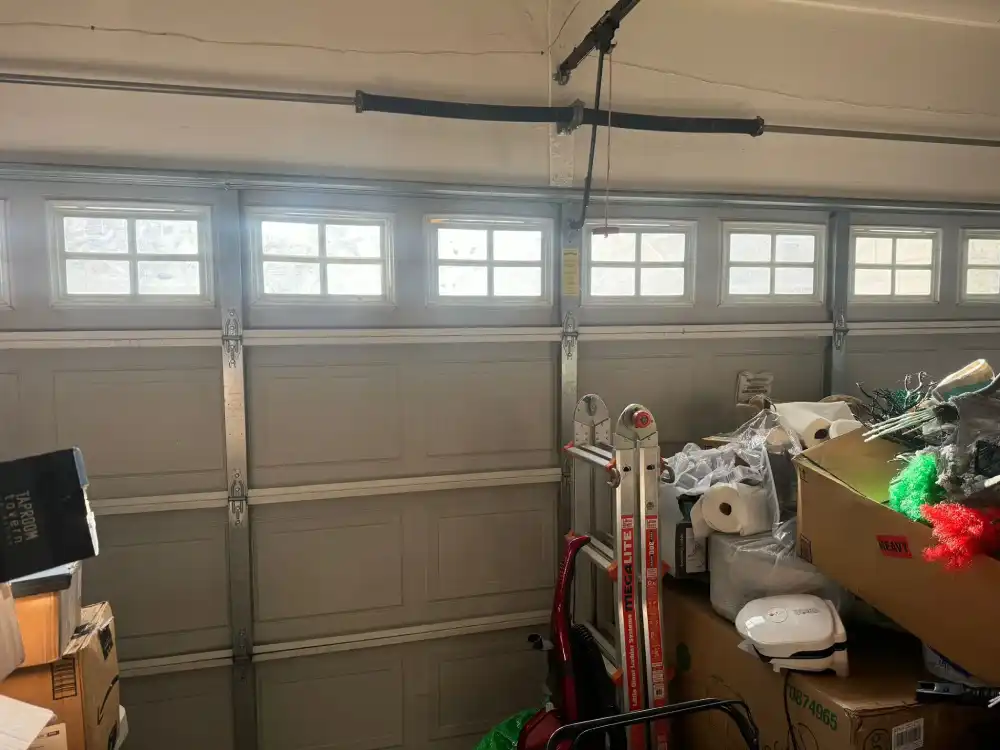
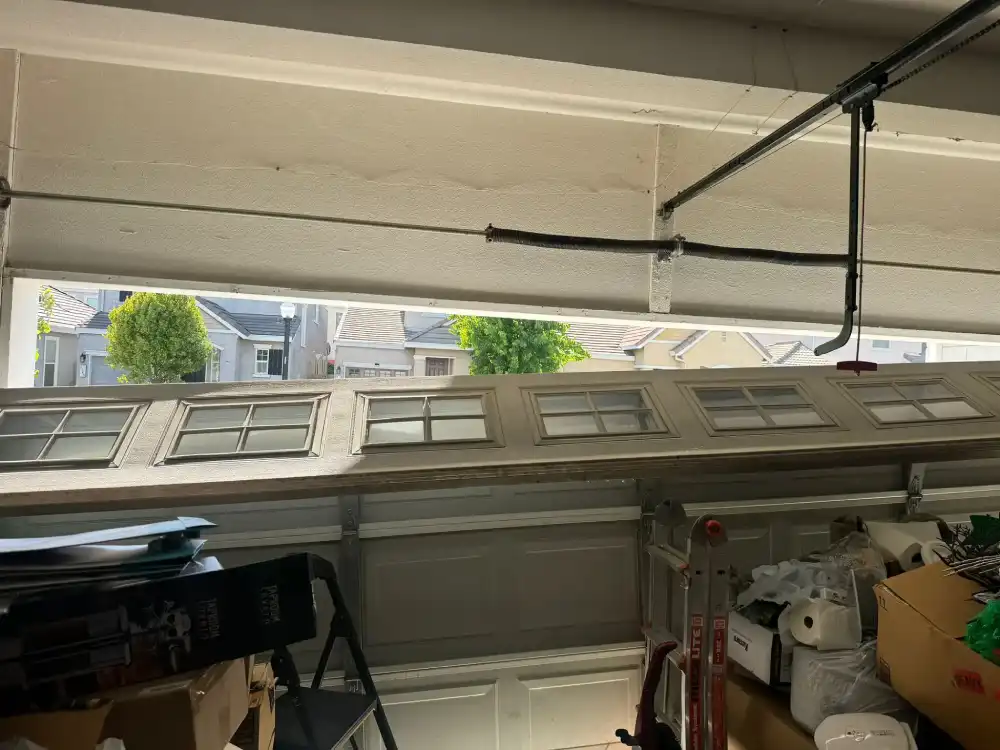
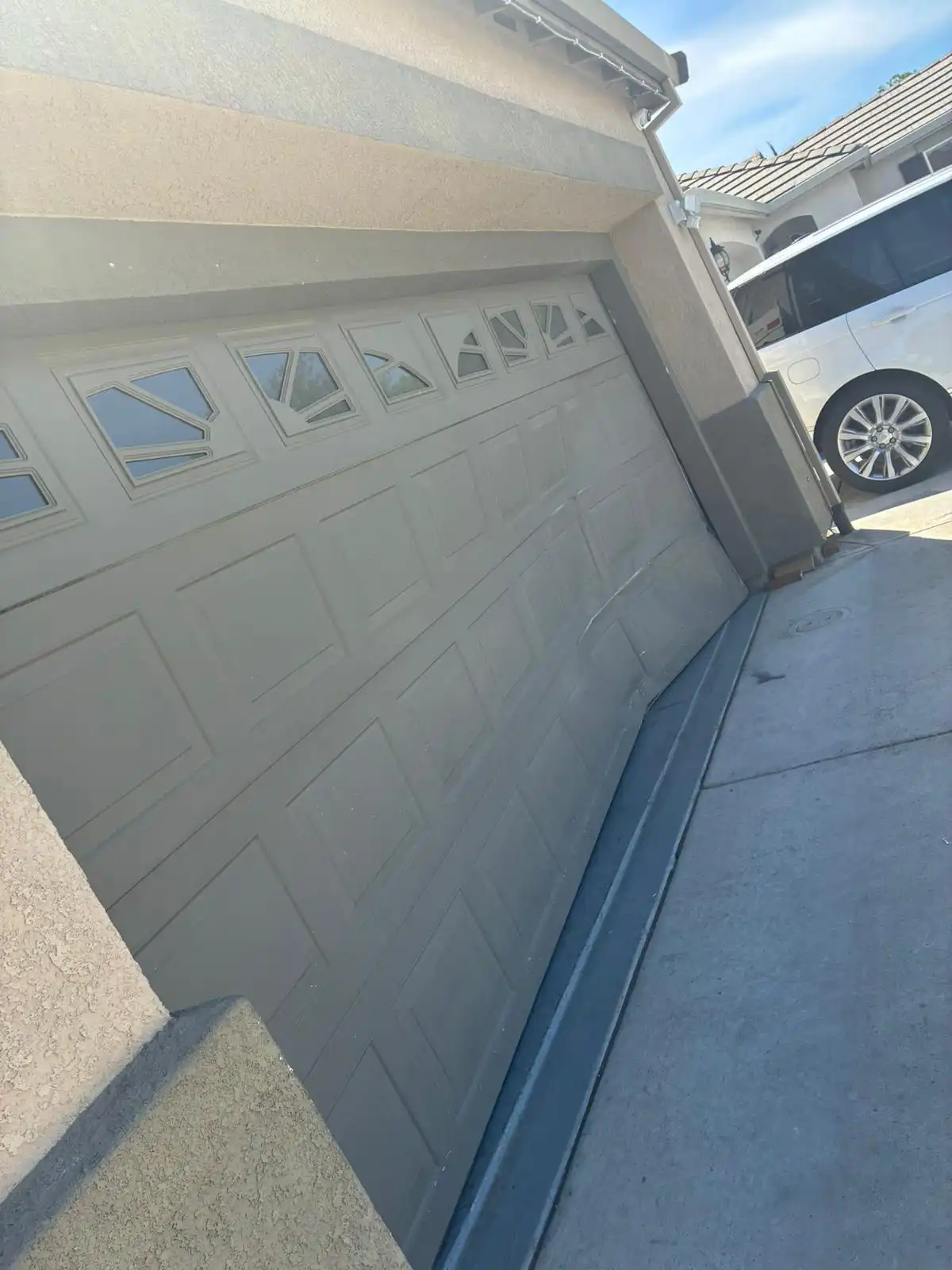
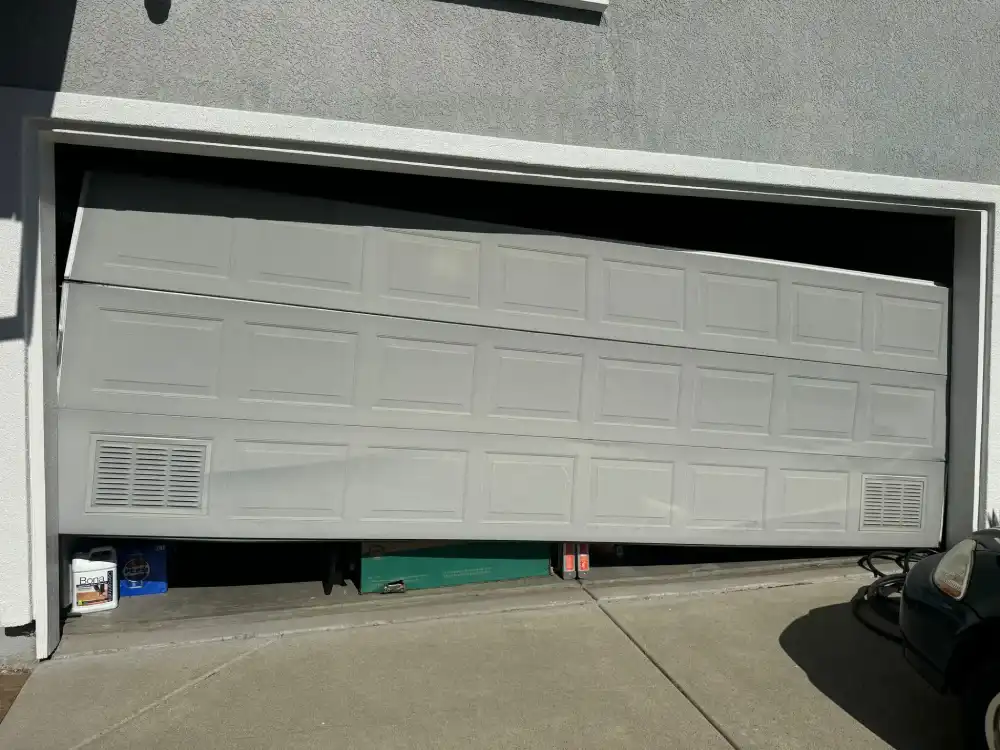
. A garage door that suddenly feels impossibly heavy, won’t open more than a few inches, or slams shut is often dealing with one of the most common (and most dangerous) issues in the industry: a broken spring. If you’re searching for garage door spring repair in Sacramento, California, understanding what springs do, how to spot early warning signs, and what steps to take can help you protect your home, your vehicle, and your family. At Garage Door Doctor’z, we handle broken spring situations every day—from routine wear-and-tear replacements to urgent failures that trap cars inside the garage. Below is a homeowner-friendly guide to recognizing a broken garage door spring, why it happens, and how professional repairs are performed. Why Garage Door Springs Matter Your garage door is likely the largest moving system in your home. The springs provide the counterbalance that makes a 100–300+ pound door feel manageable to lift. Without properly working springs, your opener must strain to move the door, safety sensors may reverse unexpectedly, and the door may become unsafe to operate. Most residential doors use one of two spring systems: Torsion Springs (Mounted Above the Door) Torsion springs sit on a metal shaft above the garage door opening. As the door closes, the springs wind up and store energy. When you open the door, that stored energy assists the lift. Extension Springs (Along the Horizontal Tracks) Extension springs run alongside the tracks and stretch when the door closes, then contract to help lift the door. Both types wear out over time. When one fails, the balance of the entire door system is compromised. Common Signs of a Broken Garage Door Spring If you suspect a broken garage door spring, look for these common symptoms: 1. A loud bang from the garage Many homeowners describe a sudden “gunshot” sound. That’s often the spring snapping under tension. 2. The door won’t open or only opens a few inches A spring failure can prevent the door from lifting, even if the opener motor runs. 3. The garage door feels extremely heavy If you disengage the opener (with the red emergency release cord) and the door is difficult to lift, spring tension is likely missing. 4. The opener strains, hums, or stops Openers are designed to guide movement—not lift the full weight of the door. With spring failure, the motor may stall. 5. Visible gap in a torsion spring A torsion spring often shows a clear separation when broken. 6. Crooked or uneven door movement If one side lifts more than the other, one spring or cable may have failed. These issues are all strong indicators that you need garage door spring repair—especially if you’re dealing with a broken garage door spring in Sacramento, California. Why Springs Break (Even If You Maintain Your Door) Springs are rated for cycles—one cycle equals one open and close. Many builder-grade springs are rated around 10,000 cycles. In real life, that can mean 5–8 years for a busy household. Springs also wear faster due to: – Temperature swings and corrosion (metal fatigue accelerates when rust forms) – Improper spring sizing (the wrong spring works harder than it should) – Lack of lubrication (increases friction and heat) – Door imbalance or track issues (adds strain to the system) If your door is frequently used—multiple drivers, kids with bikes, storage access—spring wear happens sooner. What NOT to Do When You Have a Broken Spring A broken spring is not like a squeaky hinge or a misaligned sensor. DIY spring replacement can be dangerous due to extreme stored tension. Avoid these actions: – Do not keep pressing the wall button: This can burn out the opener or cause the door to drop. – Do not attempt to lift the door alone: The full weight can cause injury. – Do not loosen set screws or hardware on the torsion shaft: This can cause sudden release of tension. – Do not replace just any spring from a hardware store: Incorrect sizing can shorten lifespan and impact safety. If you need your vehicle out immediately, call for professional help. Garage Door Doctor’z can advise on the safest next step. What Professional Garage Door Spring Repair Includes When you hire a trained technician for garage door spring repair in Sacramento, California, you’re paying for safety, correct sizing, and proper balancing—not just a part swap. A professional repair typically includes: 1. Inspection and Verification The technician checks: – spring type and condition – cable condition (fraying, slack, drum alignment) – rollers and bearings – track alignment – opener force settings and travel limits Often, a broken spring is accompanied by worn end bearings or stressed cables. 2. Correct Spring Selection (Sizing Matters) A spring must match the door’s weight, height, and drum configuration. The right spring: – improves door balance – reduces opener strain – ensures safety reversal works correctly – extends overall system life 3. Safe Removal and Replacement For torsion systems, the technician uses winding bars and proper clamping procedures to remove and install springs safely. 4. Balance and Safety Test After the springs are installed, the door is balanced so it: – stays at mid-height without drifting – opens smoothly – closes without slamming Then the technician verifies opener safety settings and performs a full operational test. Should You Replace One Spring or Both? Many garage doors use two torsion springs. If one breaks, the other is usually near the same age and cycle count. In most cases, replacing both springs at the same time is recommended because: – you maintain even lifting force – you reduce the chance of a second failure soon after – you protect the opener from uneven strain A technician can confirm your setup and recommend the best option. How to Reduce the Chance of Another Broken Garage Door Spring While springs will eventually wear, you can extend their life with a few simple habits: – Lubricate springs and rollers with a garage-door-approved lubricant every 3–6 months – Schedule annual maintenance: a

 Happy
Happy