
Garage Door Spring Repair in Sacramento, California: What “Release Tension” Really Means & Why DIY Can Be Dangerous
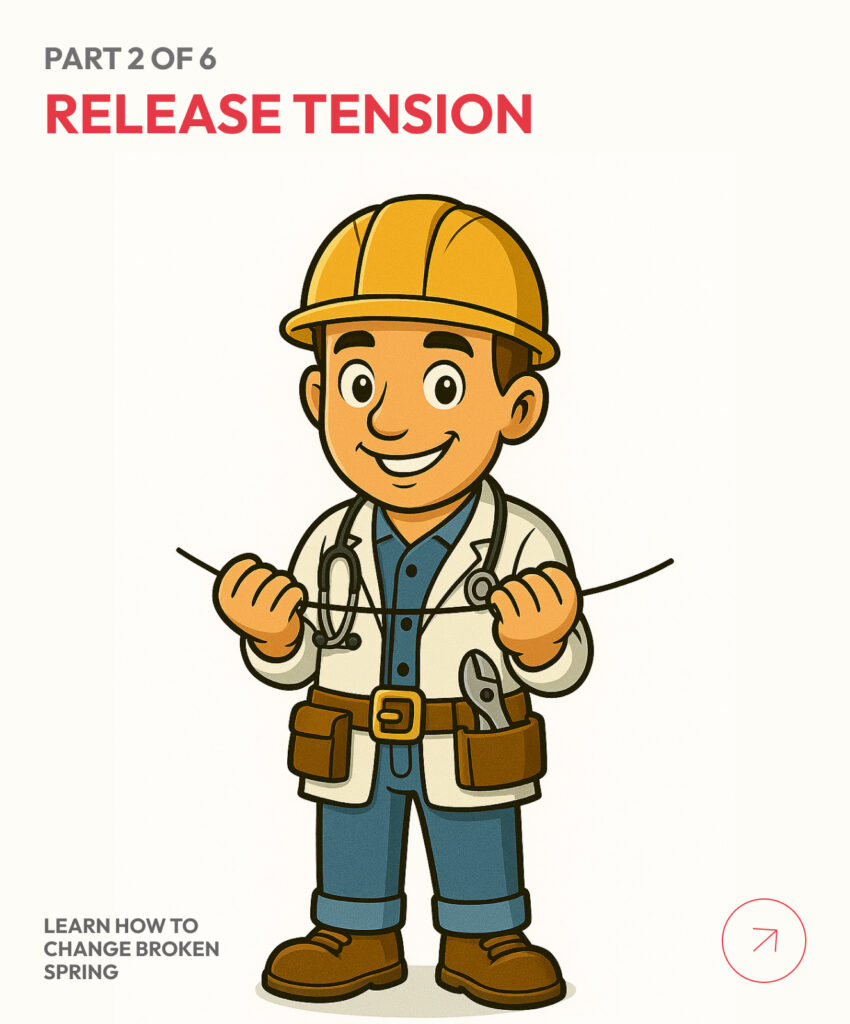
. Garage door springs do the heavy lifting every time you open and close your door. When one fails, the entire system becomes unsafe and unreliable—often leaving you stuck with a heavy, crooked, or completely immovable door. If you’re searching for garage door spring repair in Sacramento, California, you’ve probably seen step-by-step clips and graphics that say things like “Part 2 of 6: Release Tension.” That phrase is one of the most important—and most dangerous—steps in any spring-related procedure. In this guide, we’ll break down what “release tension” means, how to recognize a broken garage door spring, what to do right away to stay safe, and why calling a trained technician is usually the best option. Garage Door Doctor’z is here to help Sacramento homeowners and property managers with safe, professional spring service. If you think you have a broken spring, call (833) 991-3899 or visit https://garagedoordoctorz.com. Understanding garage door springs (and why they matter) Most residential garage doors use one of two spring systems: 1) Torsion springs Mounted above the door opening on a metal torsion tube. As the door closes, the springs wind up and store energy. As the door opens, they unwind to lift the door. 2) Extension springs Mounted along the horizontal tracks on both sides. They stretch to store energy when the door closes and contract to help lift when the door opens. Either system holds significant stored energy. That stored energy is what makes a 150–300+ lb door feel “light” when you lift it. When a spring is worn, incorrectly adjusted, or breaks, the door can become dangerously heavy and can slam shut unexpectedly. What “Release Tension” means in spring work You’ll often see “Release Tension” in tutorials, diagrams, or short how-to videos. It refers to safely removing stored energy from the spring system before disassembly. For torsion springs, this can involve: – Using proper winding bars to control the spring – Loosening set screws on winding cones – Carefully unwinding the spring quarter-turn by quarter-turn For extension springs, tension release may involve: – Securing the door in a safe position – Disconnecting safety cables properly – Removing spring stretch under controlled conditions This is not a casual step. It’s the step where mistakes can cause sudden movement, flying tools, bodily injury, or serious door damage. Signs of a broken garage door spring A broken garage door spring can be obvious—or confusing—because the symptom might look like an opener failure. Here are common signs: – Loud bang from the garage (spring break sound) – Door won’t open, or opens only a few inches – Opener strains, hums, or stops and reverses – Door feels extremely heavy if lifted manually – Door lifts unevenly or looks crooked – Visible gap in the torsion spring (torsion springs often separate when they break) – Cables look loose or off the drum (often after spring failure) If any of these happen, assume it’s a broken garage door spring until proven otherwise. What to do immediately if you suspect a broken spring 1) Stop using the door Continuing to run the opener can burn out the motor, strip gears, bend the rail, or snap cables. 2) Keep people and pets away A compromised spring system can cause a door to fall quickly. 3) Do not attempt to “help” the opener Pulling, pushing, or lifting while the opener runs can cause sudden jerks and damage. 4) If the door is stuck open, do not try to force it closed If you must secure the property, call for service. Closing a door with a broken spring is risky without the right tools and experience. 5) Schedule professional garage door spring repair In Sacramento, California, Garage Door Doctor’z can inspect the full counterbalance system, confirm the issue, and complete a safe repair. Why DIY spring repair is risky (especially the “release tension” step) Many DIY instructions understate the risks. Spring systems require: – Correct tool selection (proper winding bars—not screwdrivers) – Correct spring sizing (wire size, inside diameter, length, and wind direction) – Correct number of turns / tension settings – Proper hardware inspection (bearing plates, drums, cables, center bracket, end bearings) – Safe door securing techniques Incorrect procedures can cause: – Sudden spring unwind or tool kickback – Door slamming down – Cable whip or drum slip – Damage to the opener and door sections Even if you successfully swap a spring, mis-sizing or mis-tensioning can shorten spring life, strain the opener, and create ongoing safety issues. What a professional spring repair appointment typically includes When you call Garage Door Doctor’z for garage door spring repair in Sacramento, California, a proper service visit should involve more than “swap the spring.” It typically includes: 1) Safety inspection and diagnosis – Confirm whether the spring is broken – Identify whether cables, drums, track alignment, or rollers were affected 2) Correct spring selection – Spring pairing and balance calculations for your door’s weight and height – Matching cycle rating to your usage (standard vs high-cycle options) 3) Controlled tensioning / balancing – Releasing remaining tension safely – Installing and winding to proper turns – Balancing the door so it stays at mid-height when disconnected from the opener 4) Hardware check – End bearing plates and center bearing – Set screws, torsion tube condition – Cable integrity and routing 5) Opener test and force settings After the door is balanced, the opener should operate smoothly with minimal strain. How long do garage door springs last? Spring lifespan is often measured in “cycles” (one open + one close). – Standard springs: commonly around 10,000 cycles – High-cycle springs: 20,000+ cycles (varies by spec) In Sacramento, California, frequent daily use, temperature changes, and lack of maintenance can increase wear. If your system is older, a spring break can be expected eventually. Should you replace one spring or both? If your door uses two torsion springs and one breaks, the other spring is typically near the end of its life too. Replacing both often: – Restores even
Garage Door Spring Repair in Sacramento, California: What to Do When You Have a Broken Garage Door Spring
. A garage door that suddenly won’t open (or feels impossibly heavy) is one of the most common signs of a spring problem. In Sacramento, California, changing weather, daily use, and normal wear can push springs to their limit. When you’re dealing with a broken garage door spring, the safest and fastest solution is professional garage door spring repair. At Garage Door Doctor’z, we help homeowners and property managers restore safe, reliable door operation with correctly sized, high-cycle springs and precise balancing. Below is a practical guide to understanding what springs do, how to spot a failure, what to do immediately, and what to expect from a professional repair. Why Garage Door Springs Matter Garage door springs do the heavy lifting. Your door may weigh anywhere from 120 to 400+ pounds, but the springs counterbalance that weight so the opener can move the door smoothly. There are two main types: Torsion springs: Mounted above the door on a metal shaft. These are common on newer systems and provide smooth operation. Extension springs: Mounted along the sides of the door tracks. These stretch and contract during movement. When a spring fails, the door becomes unbalanced and unsafe to operate. That’s why garage door spring repair is not just a convenience—it’s a safety requirement. Common Signs of a Broken Garage Door Spring If you suspect a broken garage door spring in Sacramento, California, look for these symptoms: Loud bang from the garage: Many customers describe it like a firecracker or a gunshot. That’s often the spring snapping under tension. Door won’t open or only lifts a few inches: The opener may try, then stop or reverse. Door feels extremely heavy: If you try to lift it manually (only if safe), it may feel far heavier than normal. Gaps in the torsion spring: A torsion spring may show a visible separation where it broke. Crooked or uneven door movement: With one spring broken on a two-spring system, the door can lift unevenly. Opener strains, hums, or stops: The opener is not designed to lift the full weight of the door alone. If you see these signs, it’s time to schedule garage door spring repair rather than continuing to run the opener. What to Do Immediately (Safety First) A broken spring can create serious hazards. Here’s what to do right away: Stop using the door: Continued attempts can burn out the opener or damage the door. Do not pull the emergency release if the door is open: An unbalanced door can slam shut. Keep people and pets away: Especially away from the spring area and door opening. Call a professional: Springs are under high tension and are not a safe DIY item for most households. In short: treat a broken garage door spring like a safety incident. Professional tools, training, and correct measurements matter. Why Professional Garage Door Spring Repair is the Best Option Many online guides make spring replacement look simple, but the risk is real. Spring systems store high mechanical energy; improper handling can lead to serious injury. Professional garage door spring repair includes: Correctly identifying torsion vs. extension system Measuring door weight and spring dimensions Selecting the right spring(s) for cycle life and balance Replacing worn hardware (as needed) such as bearings, center bracket, or cables Setting proper tension and testing balance Verifying the opener and safety sensors At Garage Door Doctor’z, we focus on long-term reliability. A spring that is “close enough” can cause premature wear on rollers, cables, and the opener. One Spring or Two? Understanding Paired Replacement Many doors use two torsion springs. If one breaks, the other is often near the end of its lifecycle. In many cases, replacing both springs at the same time is the best value because: It restores balanced lifting power It reduces the likelihood of another breakdown soon after Labor overlap can make a pair replacement more cost-effective A technician can inspect your system and recommend whether replacing one or both springs makes sense for your door. What Causes a Broken Garage Door Spring? A broken garage door spring is usually the result of normal wear, but a few common factors accelerate failure: Cycle fatigue: Springs are rated for a certain number of open/close cycles. Temperature changes: Metal expands/contracts; Sacramento’s seasonal swings can contribute over time. Improper spring size: Incorrect springs stress the system. Lack of maintenance: Dry coils, worn rollers, and track issues increase load. Door imbalance: If the door is heavy on one side, springs and cables wear faster. Regular inspections and simple lubrication can help, but eventually springs wear out—just like tires or batteries. The Garage Door Spring Repair Process (What to Expect) When you schedule service in Sacramento, California with Garage Door Doctor’z, the visit typically includes: Safety check and door assessment: We confirm the failure and ensure the area is safe. Spring measurement and selection: We match spring wire size, inside diameter, length, and wind direction. Secure the door and remove tension: Proper locking and controlled tension release is critical. Install new spring(s): Hardware is inspected and replaced if needed. Set tension and balance the door: We test manual lift, mid-point balance, and smooth travel. Opener verification: We ensure the opener isn’t damaged and adjust force settings if needed. Final operational test: Multiple cycles to confirm safe, quiet operation. Done correctly, your door should feel light to lift manually and should open/close smoothly with consistent movement. Can You Use the Opener with a Broken Spring? No—at least, you shouldn’t. If your spring is broken, the opener is forced to lift most of the door’s weight. This can: Strip gears Damage the rail or trolley Burn out the motor Warp sections of the door Create a sudden drop risk If you must get a vehicle out, call for guidance first. In some situations, a trained technician can safely lift and secure the door. Preventing Future Spring Problems While springs are wearable parts, you can extend their life with smart habits: Annual tune-up: Balance, roller condition, and hardware
Garage Door Spring Repair in Sacramento, California: Releasing Tension Safely (Video Guide)
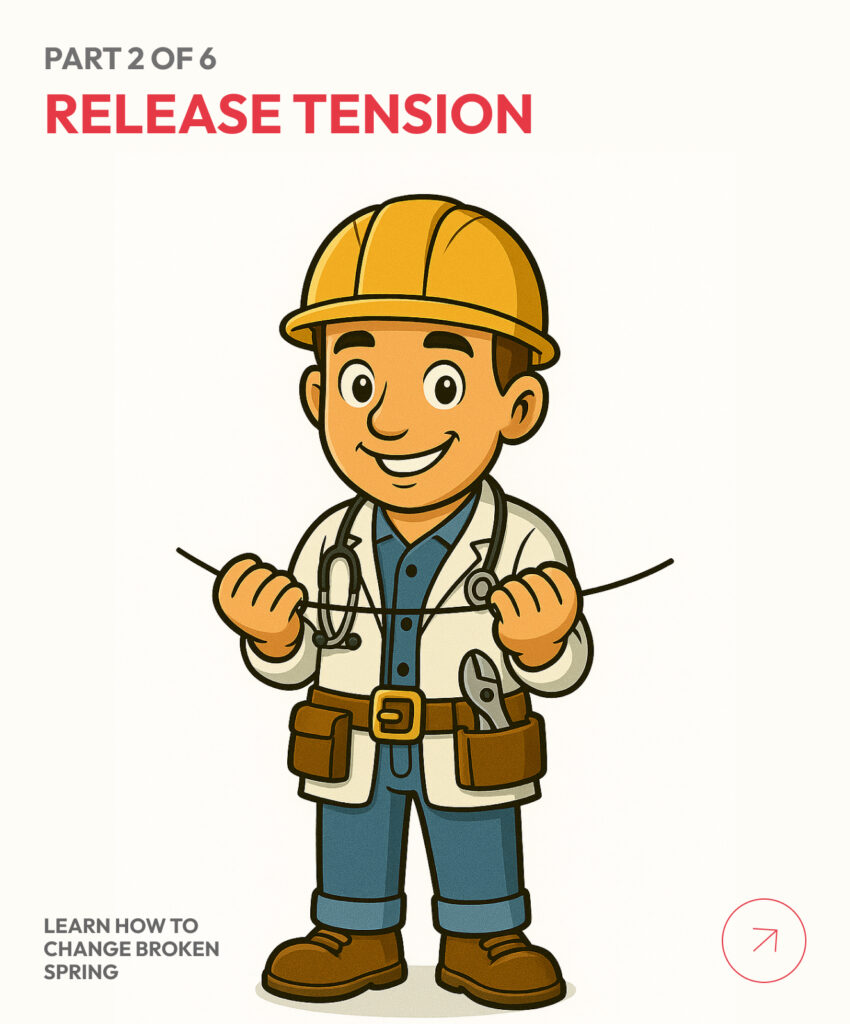
. Garage door springs do the heavy lifting every time your door opens and closes. When a spring breaks, the door can become dangerously heavy, the opener can strain or fail, and your household routine can come to an abrupt stop. This video guide focuses on one of the most critical moments in any spring job—releasing spring tension safely. If you’re searching for garage door spring repair in Sacramento, California, this article explains what the “release tension” step really means, why it’s risky, and when to call a professional. Because a broken garage door spring is a high-risk repair—even for experienced DIYers—Garage Door Doctor’z strongly recommends professional service for most homeowners. Still, understanding the process helps you make informed decisions, communicate clearly with technicians, and avoid unsafe shortcuts. Company contact: Garage Door Doctor’z Website: https://garagedoordoctorz.com Phone: (833) 991-3899 Email: info@garagedoordoctorz.com What the Video Covers: “Release Tension” (Part 2 of 6) In spring replacement training, “release tension” is typically an early step (often labeled Part 2) because it must be done before removing hardware from the torsion system. The image indicates a step-by-step instructional sequence: “PART 2 OF 6 – RELEASE TENSION – Learn how to change broken spring.” Releasing tension is not the same as simply loosening a bolt. Torsion springs store significant energy; if controlled incorrectly, that energy can be released suddenly, causing severe injury or damage. Why a Broken Garage Door Spring Is So Dangerous A broken spring can present multiple hazards: 1. A door that won’t lift (or slams shut): Without spring assistance, the door’s full weight can be 150–300+ pounds. 2. Opener damage: The opener may try to compensate and burn out gears, bend rails, or snap the trolley. 3. Cable issues: Slack or uneven lifting can cause cables to jump drums or fray. A cable problem can quickly turn into a jammed door. 4. Unpredictable movement: If one spring breaks on a two-spring system, the remaining spring may still carry partial tension and lift unevenly. If you suspect a broken garage door spring in Sacramento, California, it’s best to stop using the door and book a professional inspection. Signs You Need Garage Door Spring Repair Homeowners often discover spring problems through symptoms like: – A loud “bang” from the garage (spring snap) – Door lifts a few inches then stops – Door feels extremely heavy when lifted manually – Opener strains, hums, or reverses – Gaps in the torsion spring coil (visible separation) – Door lifts crooked or cables look loose Any of these can indicate the need for garage door spring repair. Torsion vs. Extension Springs (Why “Release Tension” Matters) Most modern doors in our area use torsion springs mounted above the door on a torsion tube. Tension is stored by winding the spring with winding bars. Releasing that tension requires careful control. Some older setups use extension springs along the tracks. They store energy differently and have different safety requirements. This video step (“release tension”) most commonly refers to the torsion spring process. What “Releasing Tension” Typically Involves (High-Level Overview) To keep this educational (not a DIY walk-through for a dangerous repair), here’s the conceptual overview of what trained technicians do during the release step: 1. Secure the door position so it cannot move unexpectedly. 2. Use proper winding bars designed for torsion spring work. 3. Control the set screws and winding cone in a specific sequence. 4. Step down tension gradually quarter-turn by quarter-turn, maintaining full control. 5. Verify the system is neutral before proceeding with removal. Any deviation—wrong tools, wrong stance, improper bar engagement, or a slipping cone—can lead to a sudden release of energy. Common Mistakes Homeowners Make When a broken garage door spring happens, it’s tempting to jump into repair mode. But the most common missteps can be costly: – Using screwdrivers instead of winding bars: These can slip. – Loosening set screws without controlling the cone: This can cause immediate spin. – Forgetting to lock the door in place: The door can drop. – Replacing only one spring on a two-spring system: The new spring and old spring won’t balance equally. – Not checking cables, drums, and bearings: A spring replacement is also a time to confirm the whole lift system is safe. Even if you only intended to “take a look,” interacting with a loaded spring system can introduce risk. What to Expect from a Professional Spring Repair in Sacramento, California When you call Garage Door Doctor’z for garage door spring repair in Sacramento, California, a standard service appointment typically includes: – Identifying whether you have torsion or extension springs – Confirming the correct spring size based on door weight and height – Inspecting end bearings, center bearing, cables, drums, and shaft condition – Replacing springs (often recommending replacement in pairs) – Resetting tension and balancing the door – Testing opener force settings and safety reversal – Lubricating key moving parts and advising on maintenance The goal is not just to swap a spring, but to ensure the full system is balanced and safe. After Springs Are Repaired: Maintenance Tips To extend spring life and reduce wear: – Lubricate torsion springs with a garage-door-rated lubricant a few times per year – Listen for squeaks, grinding, or uneven movement – Keep tracks clear (but don’t grease the tracks) – Schedule periodic safety inspections—especially for older doors Regular maintenance can prevent surprise failures and help your opener last longer. When It’s an Emergency A broken spring can become an urgent situation when: – Your car is trapped inside – The door is stuck open and cannot be secured – The door is off-track or hanging unevenly – Cables are unwound or visibly frayed If you’re dealing with a broken garage door spring in Sacramento, California, call Garage Door Doctor’z to discuss the safest next step. Book Garage Door Spring Repair in Sacramento, California If your door is heavy, unbalanced, or you suspect a broken spring, contact Garage Door Doctor’z. We’ll help you restore safe, smooth operation and protect
Garage Door Spring Repair in Sacramento, California: What to Do When You Have a Broken Garage Door Spring
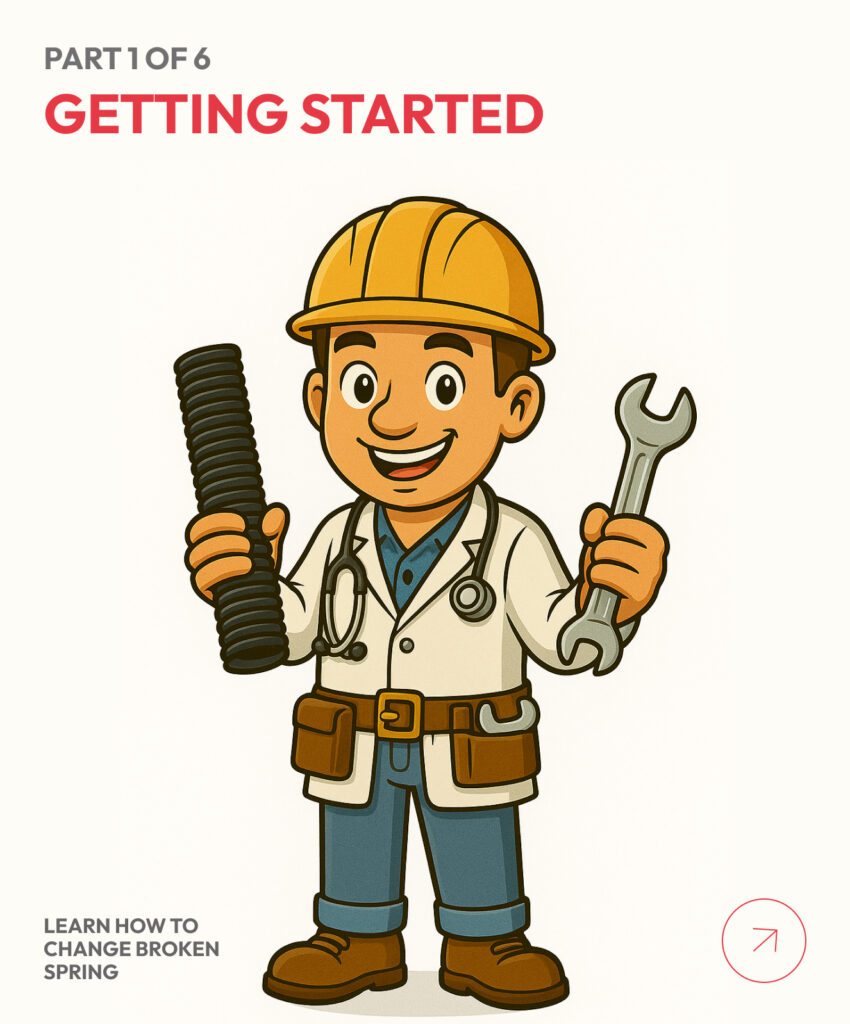
. A broken spring is one of the most common reasons a garage door suddenly won’t open—or opens a few inches and stops. If you’re dealing with a broken garage door spring in Sacramento, California, the safest and fastest path back to normal is professional garage door spring repair performed by trained technicians. Springs store a massive amount of tension, and improper handling can lead to severe injury or additional damage to the door system. This guide explains how garage door springs work, the warning signs of failure, what you should do immediately after a spring breaks, and what to expect from a professional spring service visit. If you need help right away, Garage Door Doctor’z is ready to assist. Company: Garage Door Doctor’z Website: https://garagedoordoctorz.com Phone: (833) 991-3899 Email: info@garagedoordoctorz.com Why garage door springs matter Your garage door is heavy—often 150 to 400+ pounds depending on size and materials. Springs counterbalance that weight so the door can lift smoothly by hand or with an opener. There are two main spring types: 1) Torsion springs Mounted above the door on a metal shaft, torsion springs wind and unwind as the door moves. They’re common on newer systems and provide controlled, balanced lifting. 2) Extension springs Mounted along the sides of the door tracks, extension springs stretch as the door closes and contract as it opens. They’re more common on older setups. In either case, when one spring fails, the door can become unsafe to operate and may put strain on cables, drums, rollers, and the opener. Common signs of a broken garage door spring Homeowners often notice the following symptoms before and after a break: A loud “bang” from the garage (spring snap) Garage door won’t open at all, or only lifts a few inches Door feels extremely heavy if you try to lift it manually The opener runs but the door doesn’t move (or reverses) Door opens unevenly or looks crooked A visible gap in a torsion spring coil Slack or hanging cables near the sides of the door If you see any of these, stop using the door and schedule garage door spring repair—continuing to run the opener can burn out the motor or cause the door to fall. What to do immediately after a spring breaks If you suspect a broken garage door spring in Sacramento, California, follow these safe steps: Stop trying to open or close the door. The door can slam shut or shift off track. Disconnect the opener (if needed) and keep the area clear. Keep kids and pets away. Do not attempt a DIY spring replacement. Springs are under high tension and require the correct tools and training. If your car is trapped inside, call for service. A technician may be able to safely get the door open and stabilized as part of the repair. Garage Door Doctor’z can evaluate the situation, stabilize the system, and complete the repair safely. Why DIY spring work is risky Garage door spring repair is not like typical household maintenance. Springs can release stored energy rapidly. Incorrect winding, improper tools, or the wrong spring size can result in: Serious injury Damaged tracks, panels, or opener Frayed or snapped cables Door imbalance that causes repeat failures Professional technicians size springs correctly, use proper winding bars and safety procedures, and verify the entire door system is balanced after replacement. What a professional spring repair appointment includes When you schedule garage door spring repair with Garage Door Doctor’z in Sacramento, California, the service typically includes: System inspection We check: Spring(s) condition and correct sizing Cables, drums, and bearing plates Rollers, hinges, and tracks Opener stress and travel limits Correct spring selection Spring sizing matters. The wrong spring can cause: Door flying up too fast Door slamming down Opener strain Uneven or unsafe operation Spring replacement (often both springs) On two-spring systems, if one breaks, the other is usually near the end of its cycle life. Replacing both can restore proper balance and reduce the chance of a second breakdown soon after. Balancing and safety testing After installation we: Balance-test the door by hand Verify smooth travel and alignment Lubricate key components (as appropriate) Adjust opener settings if needed to reduce strain How long do garage door springs last? Spring life is measured in cycles (one open + one close = one cycle). Many standard springs are rated around 10,000 cycles, but real-world life depends on: Daily usage (more cycles = sooner wear) Door weight changes (added insulation, new paint layers, panel damage) Weather and corrosion Maintenance (lubrication and inspection) If your household uses the garage door as the primary entrance, springs can wear out faster. Can I still use my garage door opener with a broken spring? No. A spring does most of the lifting. The opener is not designed to lift the full door weight. With a broken spring, running the opener can: Strip gears Burn out the motor Snap cables Pull the door off track If the door is stuck closed and you must get a vehicle out, call a professional to safely manage the load. Preventing spring failures (and catching them early) While springs will eventually wear out, you can reduce surprise breakdowns by: Getting annual or periodic garage door maintenance Listening for squeaking, grinding, or popping noises Watching for uneven door travel Lubricating springs lightly with an appropriate garage-door lubricant (not heavy grease) Addressing frayed cables or worn rollers early If you notice the door getting heavier or the opener struggling, schedule service before the spring snaps. Why choose Garage Door Doctor’z in Sacramento, California A broken garage door spring is both an inconvenience and a safety issue. Garage Door Doctor’z provides professional garage door spring repair with an emphasis on safe procedures, correct sizing, and reliable door balance. Contact: Garage Door Doctor’z https://garagedoordoctorz.com (833) 991-3899 info@garagedoordoctorz.com Schedule garage door spring repair today If you suspect or confirmed a broken garage door spring in Sacramento, California, don’t force the door or rely on the opener.
Garage Door Opener Repair in Lincoln, California
Garage Door Doctor’z provides garage door opener repair and installation in Lincoln, California. We diagnose noisy, unreliable openers, sensor issues, and travel-limit problems to restore safe, smooth operation. Call (833) 991-3899 or visit garagedoordoctorz.com.
Garage Door Repair in Sacramento, California: Fast, Reliable Garage Door Service by Garage Door Doctor’z
. When your garage door stops working, everything feels disrupted—getting the car out, securing the house, and simply moving through your day. If you’re searching for dependable garage door repair in Sacramento, California, you deserve a team that responds quickly, diagnoses the problem correctly, and fixes it safely the first time. Garage Door Doctor’z provides professional garage door service for homeowners and businesses across Sacramento, California. From doors that won’t open to loud grinding noises, off-track rollers, worn cables, or worn hardware, our technicians focus on restoring safe, smooth operation without unnecessary upsells. In this guide, we’ll cover the most common garage door problems we see in Sacramento, what causes them, what you can do right away, and when it’s time to schedule expert service. Why timely garage door repair matters Your garage door is the largest moving feature of most homes and an essential security barrier. Small issues can quickly become bigger (and more expensive) if ignored. Timely repairs can help you: – Prevent sudden breakdowns that trap your vehicle inside – Reduce damage to panels, tracks, rollers, and the opener – Improve safety for kids, pets, and anyone walking near the door – Restore insulation and energy efficiency when the door can’t seal properly – Protect your home’s curb appeal and resale value If your door is struggling—moving unevenly, reversing unexpectedly, or making sharp sounds—don’t wait until it fails completely. Common garage door problems we fix in Sacramento 1) Garage door won’t open or close A door that won’t move can be caused by several issues: – Misaligned safety sensors – Obstructions in the track – Damaged rollers – Worn cables – A problem with the opener, remote, or wall control – A door that’s out of balance A qualified technician will test the opener’s settings, inspect the door’s travel, and verify that the system is operating within safe force limits. 2) Door is noisy: grinding, popping, squeaking Noise is often an early warning sign. Common causes include: – Dry rollers or hinges that need lubrication – Worn bearings – Loose hardware – Track alignment issues – Damaged rollers A professional garage door service visit typically includes tightening essential hardware, checking movement, and recommending targeted replacement only where needed. 3) Door is crooked or off-track If the door looks uneven or the rollers have jumped the track, stop using it immediately. Continuing to run the opener can cause the door to bind, bend the tracks, or damage sections. Off-track doors often involve underlying causes like: – Broken or frayed lift cables – Impact damage (a vehicle bump) – Misaligned tracks – Worn rollers Because the door can be heavy and unstable, this is not a safe DIY fix. 4) Slow movement or intermittent operation A door that moves slowly or hesitates may indicate: – Poor lubrication or worn rollers – Track binding or misalignment – Opener force limits set incorrectly – A door that’s become unbalanced as parts age We check the full system—door, tracks, hardware, and opener—to restore consistent movement. 5) Damaged panels or weather seal issues While panel replacement and full door replacement are sometimes necessary, many cases can be repaired if damage is limited. Weather seal and bottom seal failures are also common and can lead to: – Drafts and dust entering the garage – Water intrusion during storms – Increased noise – Pest entry A well-sealed door is a key part of overall performance. What to do before scheduling service (safe checks) If your garage door isn’t working, a few quick checks can help you understand the issue—without getting into dangerous territory. – Check the photo eyes (sensors): Make sure they face each other and the lenses are clean. – Remove obstructions: Clear debris from the tracks and door path. – Try the wall button: If the remote fails but the wall button works, the remote battery may be dead. – Look for visible damage: Frayed cables, bent tracks, or unusual gaps at the bottom of the door. Avoid loosening hardware on the spring system, cables, or bottom brackets—those components can be under significant tension. Why professional garage door service is the safer choice Garage door assemblies are powerful systems. Professional service matters because technicians have the training and tools to: – Diagnose root causes (not just symptoms) – Verify door balance and safe operation – Measure and align tracks correctly – Replace worn or damaged components with the right parts – Inspect opener settings and safety reversal features In many cases, what looks like an opener problem is actually a door hardware issue. A comprehensive inspection saves you time and helps avoid replacing the wrong part. Our process: what to expect from Garage Door Doctor’z When you book garage door repair in Sacramento, California with Garage Door Doctor’z, our goal is to make the experience simple and reliable. 1. Inspection & diagnosis: We examine the door, tracks, rollers, hinges, cables, and opener operation. 2. Clear explanation: We explain what failed, why it happened, and what it will take to restore safe function. 3. Repair with quality parts: We use appropriate, durable components designed for your door type and usage. 4. Safety testing: We verify smooth travel, proper alignment, and safe reversal operation. 5. Maintenance recommendations: We suggest practical steps to keep the system running longer. How Sacramento weather and daily use affects garage doors In Sacramento, doors can face a mix of heat, dust, and seasonal moisture. Over time these factors can: – Dry out lubrication and increase friction – Cause wood doors to swell or warp if not properly sealed – Accelerate wear on rollers, bearings, and hinges – Impact track cleanliness and smoothness Regular maintenance and prompt repairs are the best way to prevent the “one morning it just won’t open” scenario. Signs you should schedule garage door repair now If you notice any of the following, it’s time to call: – The door reverses randomly or won’t close completely – The door is crooked, shaking, or binding – You
Garage Door Maintenance in Sacramento, California: Tune-Up Service That Prevents Costly Repairs
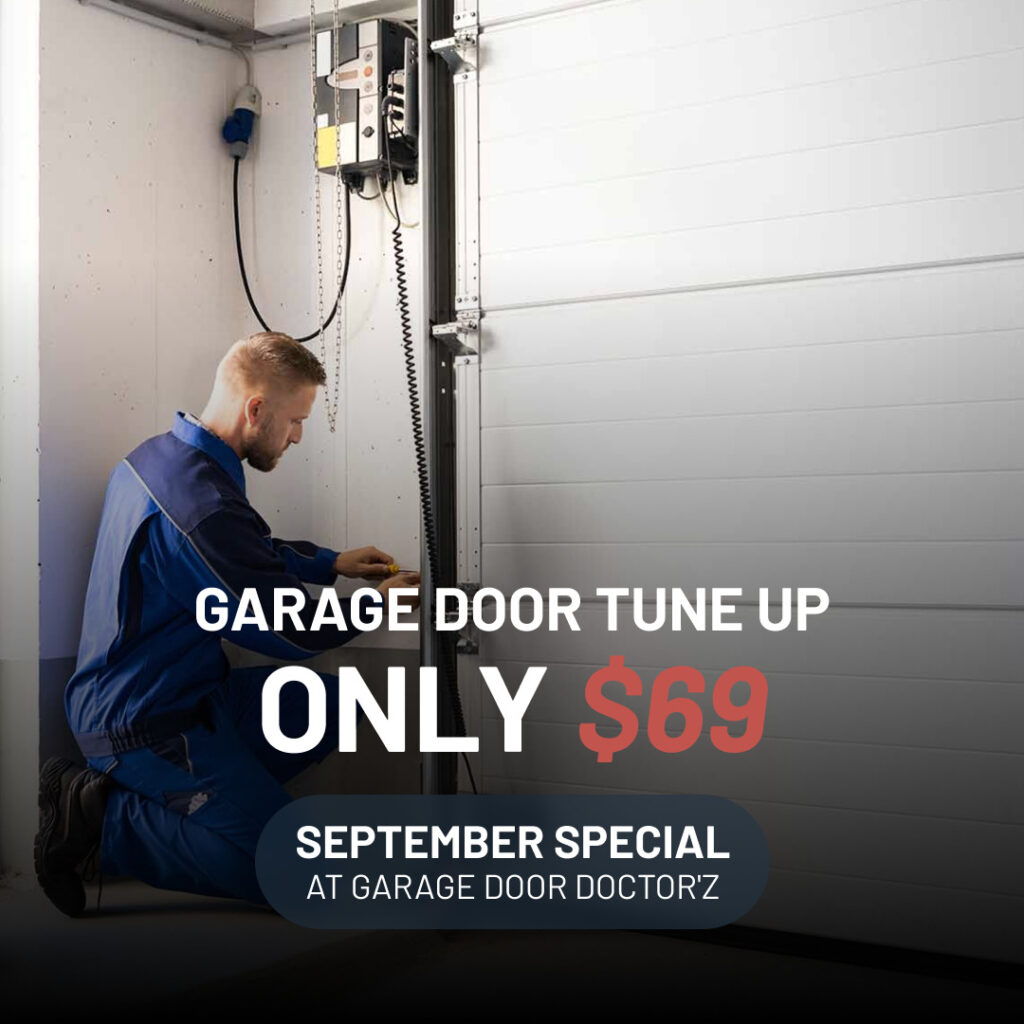
. If your garage door is the largest moving part of your home, it also deserves the most consistent care. Regular garage door maintenance helps your door open smoothly, stay quiet, and avoid sudden breakdowns at the worst possible time. For homeowners and property managers in Sacramento, California, seasonal temperature changes, dust, and daily use can gradually knock your door system out of alignment. At Garage Door Doctor’z, we provide professional garage door service designed to catch small issues early—before they turn into expensive repairs. Whether you’re noticing squeaks, jerky movement, or slower operation, a tune-up is often the simplest and most cost-effective solution. In this guide, we’ll explain what a maintenance visit includes, what signs to watch for, and why routine care is a smart investment for anyone in Sacramento, California. Why Garage Door Maintenance Matters A garage door system is a combination of panels, rollers, hinges, tracks, springs, cables, and often an opener with sensors and safety features. Each part is under stress every time the door moves. Without routine garage door maintenance, normal wear adds friction and strain, which can lead to: Noisy operation (squeaking, grinding, rattling) Uneven lifting or the door “binding” in the tracks Loose hardware that causes vibration or misalignment Premature roller and hinge failure Extra load on the opener, shortening its lifespan Safety issues, including sensor or reversal problems Think of maintenance like an oil change for your car: it’s not just about performance—it’s about preventing breakdowns. Sacramento Climate & Daily Use: Why Local Maintenance Helps In Sacramento, California, garage doors often face a mix of heat, dry air, and airborne dust. These conditions can: Dry out lubricants faster Increase debris buildup on rollers and tracks Expand and contract door materials over time Contribute to loosening hardware due to vibration If your garage is used as your primary entry or you run multiple open/close cycles daily, the need for garage door service becomes even more important. What’s Included in Professional Garage Door Service A true tune-up is more than a quick spray of lubricant. When Garage Door Doctor’z performs garage door maintenance, we take a system-wide approach that emphasizes safety, balance, and smooth motion. Typical tune-up steps include: 1) Safety Inspection We check the overall condition of your door system, including: Tracks and mounting brackets Hinges and hardware tightness Rollers for wear and cracks Cables for fraying or corrosion Springs for signs of fatigue or gaps Springs and cables are high-tension parts. If they show signs of damage, we’ll recommend options before a failure occurs. 2) Door Balance & Movement Check A properly balanced door should lift smoothly and stay in place at mid-height when detached from the opener. If it drops quickly or feels unusually heavy, that’s a sign your springs may be wearing out. Correct balance reduces strain on the opener and improves safety. 3) Hardware Tightening Garage doors vibrate every time they move. Over time, bolts and fasteners can loosen, causing noise and misalignment. Tightening key connection points helps stabilize the entire system. 4) Lubrication of Critical Moving Parts We lubricate appropriate locations (hinges, rollers, bearings, and other moving components) to reduce friction and noise. Correct lubrication supports smoother operation and reduces wear. Note: Tracks typically should be kept clean rather than heavily lubricated. Too much lubricant can attract dust and create buildup. 5) Opener & Safety Sensor Check If you have an automatic opener, we verify: Photo-eye sensor alignment and operation Force settings and travel limits (where applicable) Wall control and remote responsiveness Drive system condition (belt/chain/screw depending on type) Safety sensors are one of the most important features on modern doors. If they’re misaligned or dirty, the door may not close reliably. 6) Recommendations for Repairs or Upgrades (If Needed) Not every door needs major work. But if we spot worn rollers, frayed cables, cracked hinges, or early spring fatigue, we will explain what’s happening and what your options are—so you can decide the best next step. Signs You Should Schedule Garage Door Maintenance Even if your door still works, these common symptoms mean it’s time for garage door service: New or increasing squeaks, grinding, or rattling Door shakes, jerks, or moves unevenly Slower opening/closing than usual Door doesn’t close consistently or reverses unexpectedly Visible gaps in torsion springs or stretched extension springs Loose or off-track rollers Opener strains or sounds louder than normal If you see a frayed cable or suspect a spring issue, stop using the door and schedule service immediately. Those are safety-critical components. How Often Should You Maintain a Garage Door? For most homes in Sacramento, California, garage door maintenance is recommended at least once per year. You may benefit from more frequent tune-ups if: The garage door is your primary entry You have an older door system You operate the door multiple times per day The door runs louder or feels less smooth Commercial doors or high-cycle households often need a more frequent schedule. DIY Maintenance Tips (Safe Checks You Can Do) A homeowner can safely do a few basic checks between professional visits: Visually inspect rollers, hinges, and cables (do not touch springs) Keep photo-eye sensors clean and aligned Listen for changes in sound (new squeaks, pops, grinding) Clean debris near the track area Test the auto-reverse feature using the manufacturer’s guidance Avoid DIY adjustments to springs, cables, or force settings unless you’re trained—these can cause serious injury. Why Choose Garage Door Doctor’z for Garage Door Service in Sacramento? When you call Garage Door Doctor’z, you’re getting service focused on safety, performance, and long-term reliability. Our goal is to keep your door running smoothly and help you avoid sudden failures. What you can expect: Professional troubleshooting and clear recommendations Maintenance that protects both the door and opener Honest guidance on repairs vs. replacement Convenient scheduling and responsive communication If you’re interested in a tune-up special or simply want peace of mind before the season changes, we’re here to help. Schedule Garage Door Maintenance in Sacramento, California Don’t wait for your garage
Garage Door Repair in Sacramento, California: Same-Day Service & Preventive Maintenance That Stops Breakdowns
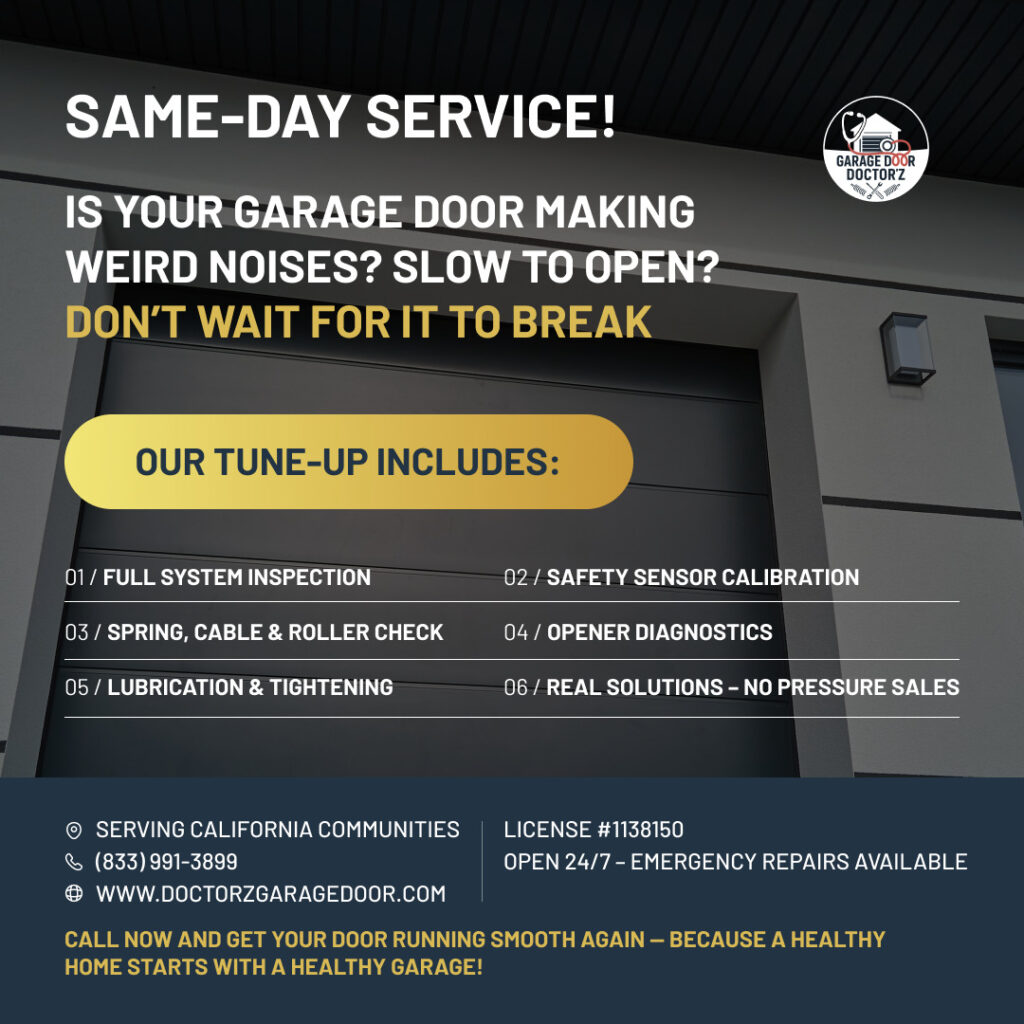
. When your garage door starts making strange noises, moving slower than usual, or hesitating halfway, it’s rarely “nothing.” Those early warning signs often point to friction, worn rollers, loose hardware, misaligned sensors, or an opener that’s working harder than it should. The good news: with professional garage door repair and routine garage door maintenance, most problems can be corrected before they turn into a full breakdown. At Garage Door Doctor’z, we provide same-day garage door repair in Sacramento, California, with practical tune-ups designed to keep your door running smoothly, quietly, and safely. Whether you’re dealing with squeaks and grinding, jerky movement, an unreliable opener, or a door that feels heavy, our technicians focus on finding the real cause and fixing it—without pressure sales. In this guide, we’ll explain what common symptoms mean, what a professional tune-up should include, why preventive maintenance matters in Sacramento’s climate, and when it’s time to call a pro. Common warning signs you need garage door repair Garage doors are heavy, tension-loaded systems. Small issues can quickly worsen because the opener, tracks, springs, and rollers all depend on correct alignment and balance. Call for garage door repair if you notice any of the following: 1) Weird noises (grinding, scraping, popping, squealing) Noises usually indicate friction, lack of lubrication, worn rollers, loose hinges, or track alignment issues. A popping sound can also point to a spring or hardware problem. Ignoring noise often leads to faster wear and costly failure. 2) Slow opening or closing If the door opens slowly, the opener could be straining due to poor balance, binding rollers, track resistance, or incorrect force settings. In some cases, it’s an opener issue; in others, it’s mechanical drag. Either way, forcing it to operate can burn out components. 3) Door feels heavy or won’t stay up A door that feels heavy is a major safety concern. Springs do the lifting—not the opener. If springs are worn or improperly tensioned, the opener can fail, cables can fray, and the door can drop unexpectedly. 4) Door stops mid-travel or reverses Random stops or reversals often relate to safety sensors, travel limits, track obstructions, or slack in the system. A professional inspection helps identify whether the issue is electrical, alignment-related, or due to mechanical binding. 5) Shaking, jerky movement, or uneven travel This can indicate worn rollers, loose brackets, track misalignment, or hardware that has shifted over time. Uneven movement accelerates wear on the opener and can lead to track damage. 6) Remote or keypad is inconsistent Intermittent operation can be a signal issue, battery problem, opener logic board issue, or safety sensor misalignment. Sometimes it’s a quick fix; sometimes it requires targeted diagnostics. If any of these symptoms are appearing, it’s time to schedule garage door repair in Sacramento, California—especially before the problem worsens. What professional garage door maintenance should include A true tune-up is not just a quick spray of lubricant. It’s a systematic safety and performance check that addresses the door as a complete system. Based on the service points shown in the image, a thorough tune-up from Garage Door Doctor’z includes: 1) Full system inspection We examine key components for wear, looseness, and damage: hinges, rollers, tracks, brackets, bearings, cables, drums, and the opener. We also check the door panels, weather seal, and mounting points. 2) Safety sensor calibration Photo-eye sensors are critical for preventing closing accidents. If misaligned or dirty, they can cause the door to reverse or refuse to close. We align, clean, and confirm proper operation. 3) Spring, cable, and roller check Springs and cables store and transfer significant force. We look for: – spring fatigue, gaps, rust, and uneven tension – cable fraying, corrosion, or slack – worn rollers that wobble, seize, or grind If we identify a risk, we’ll explain your options clearly so you can make an informed decision. 4) Opener diagnostics We evaluate the opener’s performance and safety features, including: – force settings – travel limits – drive system noise (belt/chain/screw) – wall control and remote function – safety reverse response This prevents “mystery” problems and reduces strain that can shorten opener lifespan. 5) Lubrication & tightening We lubricate appropriate moving parts (not everything) and tighten hardware that naturally loosens with vibration. Proper lubrication reduces friction, noise, and wear—especially on hinges and rollers. 6) Real solutions—no pressure sales A reliable tune-up should prioritize safety and performance, not upsells. If something is near failure, we’ll show you what we found and explain realistic repair or replacement paths. This combination of garage door maintenance and targeted garage door repair is what keeps doors quiet, smooth, and dependable. Why preventive maintenance matters in Sacramento, California Sacramento’s hot summers, cool damp mornings, and seasonal temperature swings can affect metal components and lubrication. Heat can thin lubricant and increase expansion; temperature changes can also impact door balance and track alignment over time. Dust and debris can build up near tracks and photo-eyes, increasing the likelihood of binding and sensor issues. Preventive garage door maintenance helps you: – reduce noisy operation – prevent premature roller and hinge wear – keep safety sensors reliable – reduce strain on the opener – catch spring/cable wear early – avoid sudden breakdowns at the worst time A well-maintained door also protects your schedule. No one wants to be stuck with a door that won’t close the night before a trip—or a door that won’t open when you’re already late. Repair vs. maintenance: what’s the difference? – Garage door maintenance focuses on preventing issues through inspection, adjustments, lubrication, and safety testing. – Garage door repair addresses active problems—misalignment, broken parts, failing sensors, opener issues, or doors that won’t open/close properly. In practice, many service calls include both. A tune-up often reveals a worn part that needs repair, and a repair should be followed by a tune-up to ensure the overall system is balanced and safe. Common tune-up fixes that prevent major repairs Many Sacramento homeowners think they need a major replacement when the issue is actually a smaller
Garage Door Spring Repair in Sacramento, California: How Pros Restore Tension & Fix a Broken Garage Door Spring Safely
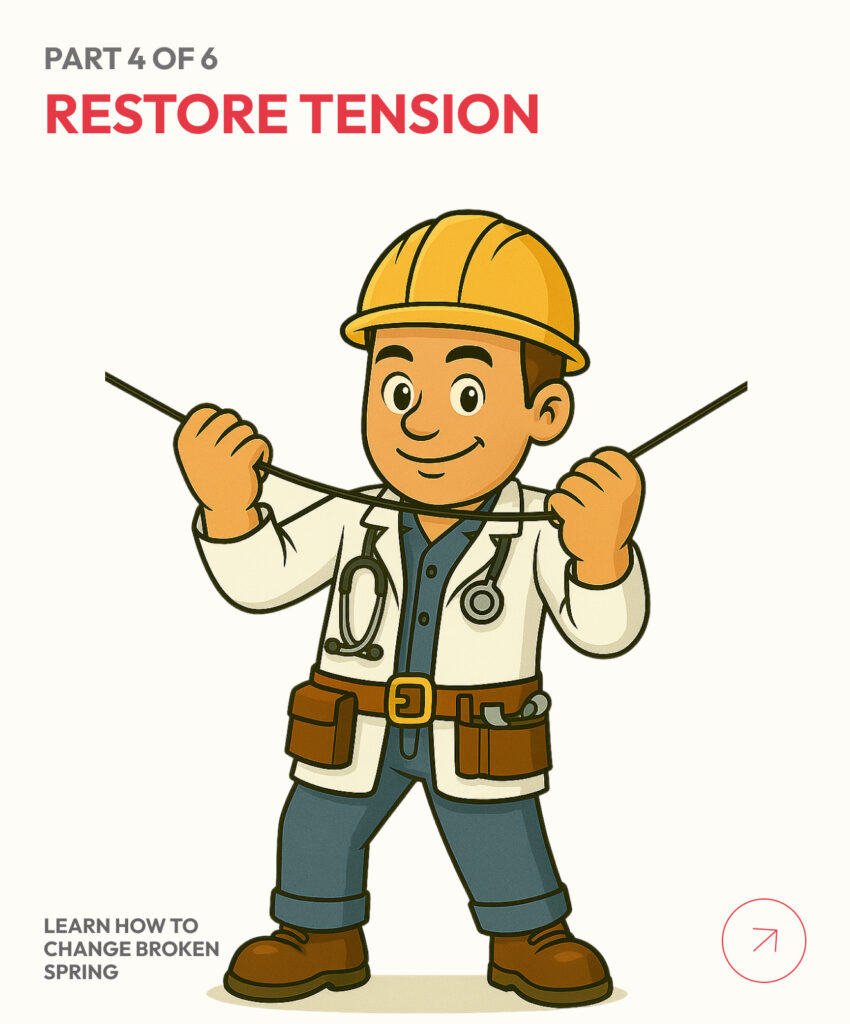
. If your garage door suddenly feels heavy, won’t open, slams shut, or you heard a loud “bang” from the garage, you may be dealing with a broken garage door spring. In Sacramento, California, seasonal temperature swings and daily use can accelerate wear on high-tension springs, and when one fails, the entire system becomes unsafe to operate. This guide explains what “restore tension” means, why it matters in professional garage door spring repair, what warning signs you should watch for, and when to stop and call a trained technician. If you need fast help, Garage Door Doctor’z provides dependable service throughout Sacramento, California. Why springs matter: the hidden muscle of your garage door Garage door springs do the heavy lifting. A typical residential garage door can weigh anywhere from 130 to 350+ pounds. Springs counterbalance that weight so that: – You can lift the door by hand with minimal effort.– Your opener doesn’t strain or burn out.– The door travels smoothly and stays balanced midway. When a spring breaks, the door is no longer counterbalanced, which leads to unsafe movement, opener damage, and potential injury. What “restore tension” means (and why it’s a critical step) Many DIY videos and diagrams break spring work into steps. The image you provided references a step like “Restore Tension,” which is a technical part of garage door spring repair. Restoring tension generally refers to setting the correct amount of wind (torsion springs) or stretch/position (extension springs) so the door is balanced. Correct tension ensures: – The door stays at mid-height without drifting.– The opener doesn’t have to pull excessive weight.– Cables remain seated on the drums.– The door doesn’t slam shut or shoot upward. This step is also one of the most dangerous parts of the job. Springs store significant energy. Improper winding or hardware can cause tools to slip, components to spin suddenly, or the door to drop. Common signs of a broken garage door spring Homeowners in Sacramento, California often discover a broken garage door spring when the door starts acting “off” rather than failing completely. Here are the most common indicators: 1) A loud bang A spring can snap with a sound like a firecracker or a board cracking. 2) Door won’t open or only opens a few inches Many openers have a safety feature that stops when they detect unusual resistance. 3) The door feels extremely heavy If you disengage the opener and the door is hard to lift, the counterbalance is gone. 4) Crooked or uneven door when moving A broken spring can cause the door to lift unevenly, putting stress on tracks and rollers. 5) Visible gap in a torsion spring On torsion systems (above the door), a break often leaves a 1–3 inch gap in the coil. 6) Loose cables or cables off the drum When a spring breaks, cables can slacken or jump with sudden imbalance. If you see any of these signs, treat it as a safety issue and stop operating the door. What to do when you suspect a broken garage door spring If you believe you have a broken garage door spring, follow these steps: – Stop using the opener: continuing can strip gears, bend the rail, or burn out the motor.– Keep the door closed if possible: a door without spring tension can drop unexpectedly.– Don’t pull the emergency release with the door open: it may slam shut.– Keep children and pets away from the door area.– Call a professional for garage door spring repair. In Sacramento, California, the safest, fastest route is to have a trained technician diagnose the system and replace the spring(s) with the correct size and cycle rating. How professionals approach garage door spring repair Professional garage door spring repair is more than just swapping a part. It should be a full safety-and-balance service aimed at restoring proper operation. 1) Confirm the spring type and door specs There are two common systems: – Torsion springs mounted on a shaft above the door.– Extension springs running along the horizontal tracks. A technician identifies the correct spring by measuring and matching wire size, inside diameter, length, and wind direction (torsion), or by matching extension spring pull ratings. 2) Secure the door and release old tension safely For torsion systems, controlled unwinding is critical. For extension systems, the door must be secured and the spring safely disconnected. 3) Replace springs correctly (often in pairs) If you have a two-spring torsion setup and one breaks, replacing both is commonly recommended so the door remains balanced and you don’t soon face another failure. 4) Restore tension and balance the door This is where “restore tension” is done with precision. The goal isn’t “as tight as possible”—it’s the correct number of turns (or correct stretch/position) so the door is balanced. A properly balanced door should: – Lift smoothly with one hand.– Stay around waist-to-chest height when released.– Not rocket upward or drift downward. 5) Inspect related components (cables, drums, rollers, bearings) A broken spring can stress other parts. A solid garage door company will check: – Lift cables for fraying– Drums for wear– Center and end bearings– Hinges and rollers– Track alignment– Opener force settings (after spring work) 6) Perform a full operational and safety test Final checks include a full cycle test, photo-eye test, reversal test, and confirming the opener isn’t straining. Why DIY spring fixes are risky Many homeowners search “fix garage door” and find step-by-step clips. But springs are not like typical home repairs. Risks include: – Severe hand/arm injury from winding bars slipping– Door dropping unexpectedly– Incorrect spring size causing runaway doors or door slam– Stripped set screws, cracked cones, bent shafts– Cable derailment creating secondary failures If your goal is a safe and long-lasting repair, professional garage door spring repair is the best option. Sacramento, California factors that can impact spring life In Sacramento, California, spring longevity can be affected by: – Temperature changes (metal expansion/contraction)– Frequent daily cycles (families using the garage as the main entrance)– Door
Emergency Garage Door Repair in Sacramento, California: Fast 24/7 Help When Your Door Won’t Open
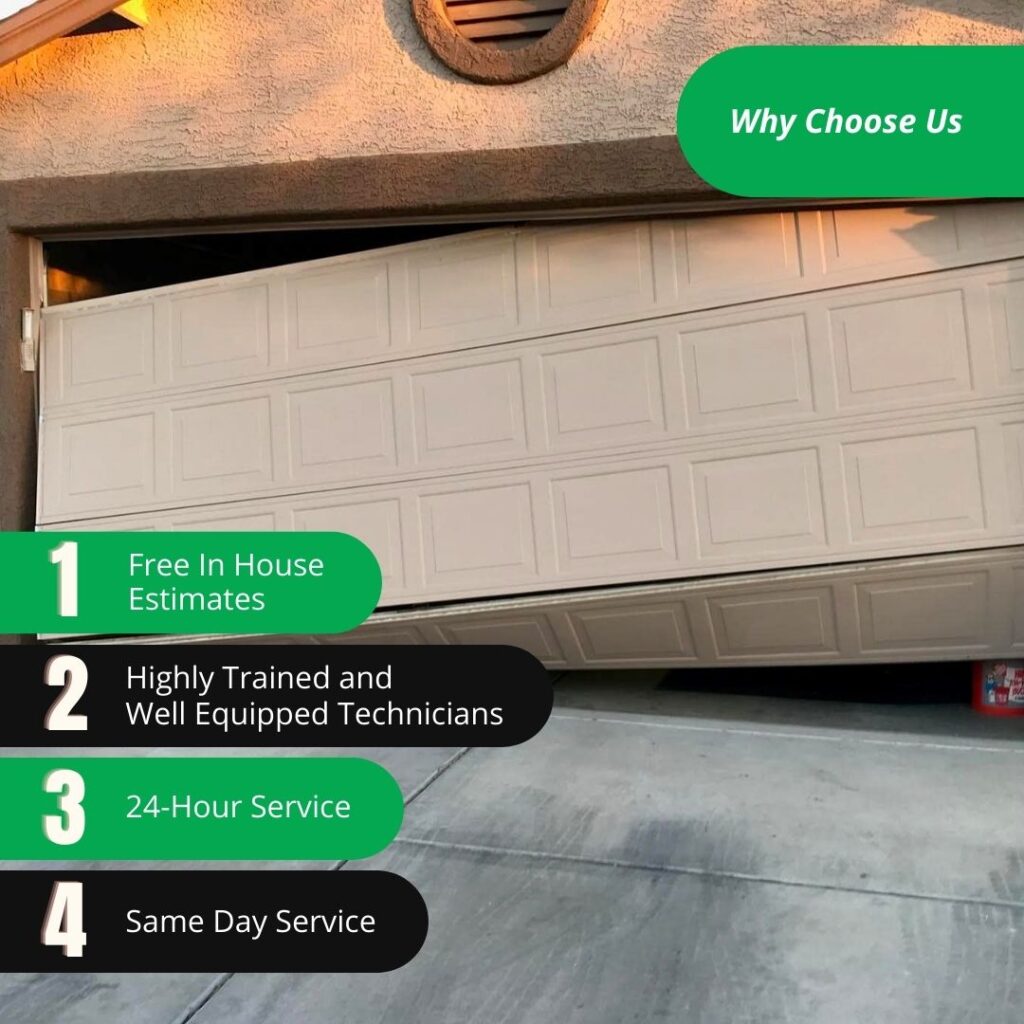
. A garage door emergency rarely happens at a convenient time. One moment everything works normally, and the next your door is stuck halfway, won’t close behind you at night, or is making loud grinding noises that make you afraid to use it again. If you’re dealing with a door that’s jammed, unsafe, or leaving your home exposed, you need emergency garage door repair in Sacramento, California from a team that can respond quickly and fix the problem the right way. At Garage Door Doctor’z, we provide 24/7 garage door repair for urgent situations where safety, security, and access matter most. Whether you’re trying to get your car out for work, protect your family and belongings, or prevent further damage to the door and opener, our technicians are trained and equipped to troubleshoot and repair common (and uncommon) failures—day or night. Below is a practical guide to what qualifies as an emergency, the most frequent causes of sudden garage door breakdowns, what you should do right now, and what to expect from a professional service call in Sacramento. Why garage door problems become emergencies A garage door is the largest moving part of your home. It also relies on high-tension components like springs and cables, plus an electric opener and safety sensors. When one part fails, the entire system can become dangerous or unusable. An emergency typically involves at least one of these issues: 1) Safety risk If the door is crooked, hanging, or struggling to stay open, it can fall unexpectedly. Broken springs and off-track doors are especially hazardous. 2) Security risk A door that won’t close leaves your garage—and often your home—exposed. Even a small gap can be a security problem. 3) Access issue If your vehicles are trapped inside or you can’t get the door open, you may not be able to leave for work, school, or urgent appointments. 4) Risk of further damage Continuing to run the opener when the door is jammed can burn out the motor, strip gears, or bend the door sections and tracks. Common situations that require emergency garage door repair In Sacramento, California, homeowners often call for emergency help for a few repeating causes. Here are the most common. Broken garage door spring A broken spring is one of the most frequent reasons doors suddenly stop working. Springs do the heavy lifting; the opener is designed to guide movement, not lift the full weight of the door. When a spring breaks, you might hear a loud bang and then the door becomes extremely heavy or won’t open more than a few inches. If you suspect a broken spring, stop using the door and do not attempt to lift it manually unless absolutely necessary—and only with help. Spring replacement requires specialized tools and training because springs are under extreme tension. Snapped cable or cable coming off the drum Cables work with springs to raise and lower the door evenly. If a cable frays, snaps, or slips off, the door may tilt to one side, bind in the track, or slam shut. This can damage panels and rollers and is unsafe to operate. Door off-track When rollers pop out of the track, the door can jam, grind, or fold inward. Causes include impact (a vehicle bump), worn rollers, loose hardware, or track misalignment. An off-track door should be treated as an emergency because it can collapse or fall. Opener failure while the door is closed If the opener fails and your door is shut, you may be locked in or out. Sometimes the issue is electrical (tripped breaker, outlet failure), but common mechanical problems include stripped gears, broken trolley parts, or a seized motor. Sensor problems preventing the door from closing Modern garage doors have photo-eye safety sensors near the floor. If they’re misaligned or blocked, the door may refuse to close or will reverse immediately. In some cases, this becomes an emergency when you need the door secured quickly. Damaged panels or bent track A bent track can stop movement entirely, and a damaged panel can cause the door to bind as it travels. These issues often follow an impact or stress from running the opener while something is wrong (like a broken spring). Power outage and manual release issues During a power outage, you may need to use your manual release. If the release is stuck, the door is too heavy due to spring issues, or the door is jammed, you may be unable to open or close it safely. What to do immediately (and what not to do) When you’re facing a garage door emergency in Sacramento, California, a few smart steps can reduce danger and prevent additional damage. Do: – Keep people and pets away from the door if it looks uneven or unstable. – If the door is open and you can do so safely, avoid moving it until a technician arrives. – Check simple items first: make sure the opener has power, the breaker is on, and nothing is blocking the sensors. – Use the wall button (not the remote) to test operation once—if it strains, stops, or the door moves unevenly, stop. Do NOT: – Do not attempt to repair or loosen springs, bottom brackets, or cables yourself. – Do not keep pressing the opener button repeatedly—this often makes the damage worse. – Do not force the door closed if it’s off-track or crooked. How Garage Door Doctor’z handles 24/7 garage door repair calls Our goal with emergency garage door repair is to restore safe operation and secure your property as fast as possible—without cutting corners. When you call Garage Door Doctor’z at (833) 991-3899, we’ll ask a few quick questions to understand what happened (noise, symptoms, door position, and any visible damage). Then we dispatch a trained technician with the tools and parts commonly needed for emergency repairs. On-site, our process typically includes: 1) Safety inspection We check for spring breaks, cable damage, loose hardware, track condition, and door balance issues. 2) Cause-based diagnosis