
Garage Door Opener Repair in Sacramento, California | Fast, Safe Fixes by Garage Door Doctor’z
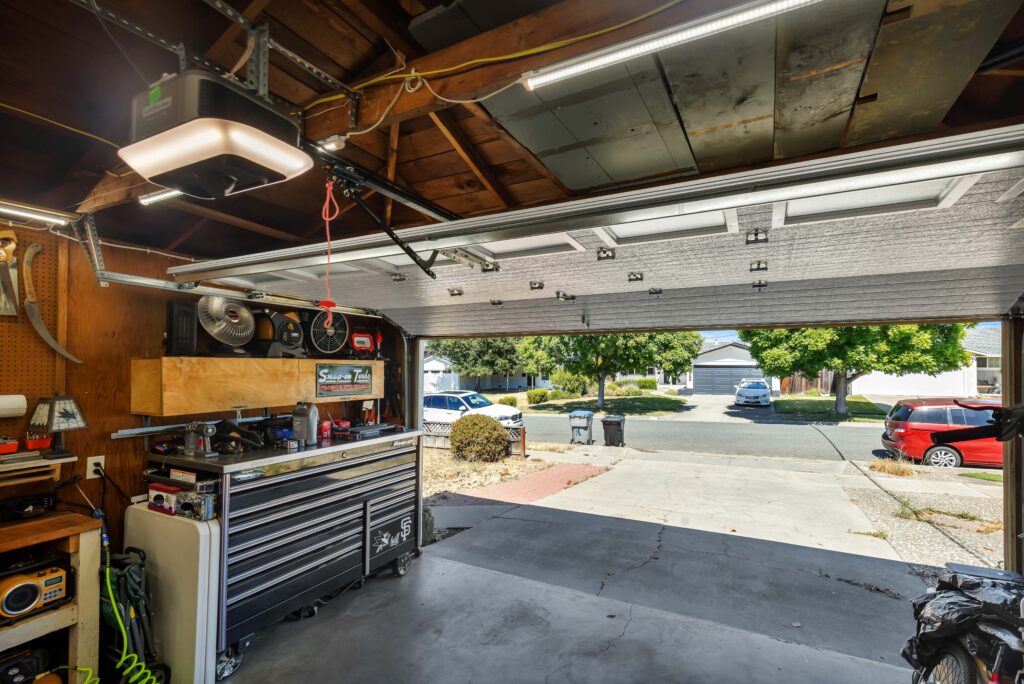
. Garage Door Opener Repair in Sacramento, California: Troubleshooting, Fixes, and When to Call a Pro A garage door opener is the workhorse that makes daily life easier—until it starts grinding, stalling, or refusing to open at all. When that happens, you need a team that can diagnose the real cause quickly and restore safe, reliable operation. Garage Door Doctor’z provides professional garage door opener repair in Sacramento, California, with dependable troubleshooting, quality parts, and careful safety checks. In this guide, you’ll learn the most common garage door opener problems, what causes them, what you can safely check yourself, and when it’s time to call a professional. We’ll also explain what a complete garage door service should include so your opener and door system work together smoothly. Why Many Opener Problems Aren’t “Just the Opener” It’s easy to assume the motor is failing when the door won’t move. In reality, a garage door is a balanced mechanical system, and the opener depends on that balance to work correctly. If the door becomes heavy due to worn rollers, misaligned tracks, frayed cables, or a spring losing tension, the opener has to strain—and that can cause it to stop, reverse, or wear out early. That’s why our garage door opener repair process includes a full garage door service-style inspection. We check door balance, travel limits, force settings, safety sensors, the rail/chain/belt condition, and the hardware supporting the door’s movement. Common Signs You Need Garage Door Opener Repair If you notice any of the following issues in Sacramento, California, it’s time to schedule service: The opener runs but the door doesn’t move The door reverses unexpectedly (especially when closing) The remote or wall button works intermittently Excessive noise (grinding, rattling, squealing, or clicking) The opener light flashes and the unit stops mid-cycle The door opens partway and then closes The safety sensors won’t stay aligned The opener struggles, shakes, or looks like it’s “pulling” the door These symptoms can point to sensor issues, worn drive components, incorrect settings, logic board problems, or a door that’s no longer properly balanced. Top Causes of Garage Door Opener Problems 1) Photo-Eye Safety Sensor Issues Modern garage door openers use photo-eye sensors to prevent the door from closing on people, pets, or objects. If sensors are dirty, blocked, sun-glared, or misaligned, the opener may refuse to close or reverse unexpectedly. What we do: Clean and align sensors, check wiring integrity, and verify the safety reversal system operates correctly. 2) Limit and Travel Setting Problems When open/close travel limits are set incorrectly, the opener may think it hit the floor too soon (causing reversal) or try to push the door beyond its normal range (causing strain). What we do: Recalibrate travel limits, confirm door balance, and set force limits to safe levels. 3) Worn Drive Gear, Sprocket, Belt, or Chain Chain-drive openers can loosen over time and slap the rail, belt drives can fray, and internal gears can wear down. You may hear humming without movement or loud grinding during operation. What we do: Inspect and replace worn drive parts, tune tension properly, and lubricate where appropriate. 4) Door Balance Problems (Springs, Rollers, or Track) If the door is heavy or binds in the track, the opener can overload and fail prematurely. Normal wear, plus Sacramento’s temperature swings, can contribute to roller wear, dry hinges, and track alignment issues. What we do: Check door balance and manual travel (with the opener disconnected), inspect rollers and hinges, examine track alignment, and recommend the correct repair to prevent opener damage. 5) Electrical, Wiring, or Logic Board Failure Power surges, age, and moisture can lead to failing logic boards or wiring connections. Common signs include random behavior, no response from remotes, or intermittent operation. What we do: Verify the power supply, check connections, test controls, and replace failed components when needed. 6) Remote/Keypad Programming or Signal Interference Sometimes the opener works from the wall button but not the remote, or the keypad suddenly stops responding. What we do: Reprogram remotes, replace batteries, confirm antenna positioning, and troubleshoot interference. Safe DIY Checks Before You Call If your garage door is stuck, use caution and keep hands away from moving parts. Before booking service, you can safely try these quick checks: Check for sensor blockage and gently wipe the lenses Look for obvious obstructions in the track path and remove them Replace remote batteries if operation is intermittent Try the wall button (if it works but the remote doesn’t, it may be a programming or remote issue) Confirm the opener is plugged in and check the GFCI outlet and breaker Avoid DIY repairs involving springs, cables, track realignment, internal opener gear replacement, or adjusting force/limit settings if you’re unsure. These repairs can create serious safety risks. Our Garage Door Opener Repair Process in Sacramento, California When you call Garage Door Doctor’z, the goal is a dependable, safe repair—not a short-term patch. Our approach focuses on accurate diagnostics and long-term performance. Step 1: Full System Assessment We determine whether the issue is in the opener, the door hardware, or both. Our inspection typically includes: Door balance check Roller and hinge condition Track alignment and mounting points Opener rail and attachment points Safety sensor alignment and wiring Step 2: Precise Diagnostics Next, we test the opener’s performance and safety features, including: Travel limits and force settings Remote and wall control function Safety reversal response Motor and drive system condition Step 3: Repair and Tune-Up Based on what we find, we complete the appropriate repairs and fine-tuning, which may include: Repairing or replacing sensors Replacing worn chain, belt, gear, or drive components Adjusting limits and force settings Tightening mounting hardware Lubricating appropriate moving points (such as rollers and hinges) Recommending any additional garage door service items if the door is causing opener strain Step 4: Final Safety Verification We run multiple open/close cycles and confirm: Smooth, consistent travel Proper close force Reliable sensor performance Safe reversal operation Garage Door Opener Repair vs. Replacement: What’s the
Garage Door Opener Repair in Sacramento, California: Fast Fixes, Quiet Upgrades & Safer Operation
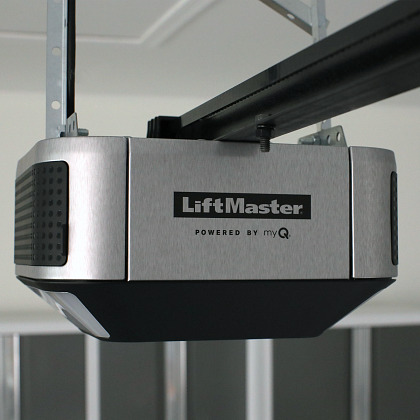
. A garage door opener often sits at the center of your daily routine. When it starts grinding, stalls halfway, or won’t respond, it’s more than an inconvenience—it can quickly become a safety and security concern. If you’re dealing with an unreliable opener, Garage Door Doctor’z provides professional garage door opener repair in Sacramento, California, along with expert garage door opener installation when it’s time to upgrade. This guide covers the most common garage door opener problems, what you can safely check at home, when to call a professional, and how to choose the right opener for your home. Why Garage Door Opener Problems Should Be Fixed Quickly A malfunctioning garage door opener can affect safety, damage components, and leave your home vulnerable. Addressing the issue early helps prevent minor problems from turning into expensive repairs. A failing opener can: Leave your vehicle trapped inside or outside the garage Cause the door to reverse unexpectedly Put extra strain on rollers, tracks, and springs Compromise home security if the door won’t close Create pinch or crush hazards if safety sensors fail Common Signs You Need Garage Door Opener Repair Homeowners in Sacramento often call us when they notice one or more of the symptoms below. Some issues are minor, while others point to failing components that need professional repair. 1) The Door Won’t Open or Close If the opener hums but the door doesn’t move, the issue could be a stripped drive gear, a chain or belt problem, a disengaged trolley, or incorrect travel/force settings. If the opener doesn’t respond at all, the cause may involve power, the logic board, the wall control, wiring, or remote programming. 2) The Door Reverses Before Closing This is often caused by a safety or limit-related issue. Common causes include: Misaligned photo-eye safety sensors Dirty sensor lenses Obstructions in the track or door path Incorrect travel limits Because reversing is an important safety feature, it should never be bypassed. The correct fix is proper adjustment and calibration. 3) The Remote Works Sometimes, Not Always Intermittent operation usually points to an electrical or signal issue, such as: Weak remote batteries Interference from nearby devices A failing receiver or logic board Antenna damage or positioning problems We can determine whether it’s a simple remote issue or a problem inside the operator head. 4) Loud Grinding, Squealing, or Rattling Garage door openers should operate relatively quietly, especially newer models. Excess noise may indicate: Worn sprockets or gears Loose mounting hardware Chain tension issues Rail or trolley wear Door hardware problems that overload the opener In many cases, the opener isn’t the real root cause. A heavy or unbalanced door can make a good opener sound bad, which is why we also check door balance and movement to prevent premature opener failure. 5) The Opener Runs, but the Door Doesn’t Move This often means the trolley is disconnected (the emergency release was pulled) or the internal drive gear has failed. We’ll pinpoint the cause and complete the proper repair. 6) The Wall Button Works, but the Remote Doesn’t (or Vice Versa) This can signal programming problems, a failing wall station, wiring issues, or a control board malfunction. Accurate diagnostics are key to avoiding unnecessary part replacements. Safe Homeowner Checks Before Calling a Pro A few quick checks are safe to perform and may save time during service: Confirm the opener has power (outlet, breaker, GFCI) Replace remote batteries Make sure the lock button/vacation mode isn’t enabled on the wall control Ensure photo-eye sensors are aligned and the lenses are clean Check for obvious obstructions in the track or door path If the door is stuck halfway, extremely heavy, or you heard a sharp “bang” from the garage, stop and call a professional. A spring or cable issue can mimic opener failure, and continuing to run the opener can cause further damage. Our Garage Door Opener Repair Process in Sacramento, California When you call Garage Door Doctor’z, we focus on accurate diagnostics and dependable, long-lasting repairs. Our process is designed to restore smooth performance while reducing the chance of repeat issues. Performance and safety inspection: door travel, balance, sensor function, and force settings Opener diagnostics: motor behavior, drive system condition, limits, logic board, and wiring Hardware evaluation: rail, trolley, chain/belt tension, and mounting brackets Repair and calibration: replace worn parts, adjust limits/force, and verify safety reversal Final testing: multiple open/close cycles to confirm safe, consistent operation When Garage Door Opener Installation Is the Better Option In some cases, replacement is more cost-effective than repeated repairs—especially for older units or models without modern safety and security features. Garage door opener installation may be the right choice if: The opener is 10–15+ years old and frequently fails Repair parts are unavailable or overpriced (common with older models) You want a quieter system, such as a belt drive upgrade You want smart features like phone control and real-time alerts The motor is undersized for the door’s weight or size How to Choose the Right Garage Door Opener for Your Home Not all openers are the same. The best option depends on your door type, how often you use it, and how important quiet operation is—especially in attached garages. Drive Type Belt drive: Quiet and smooth, ideal for attached garages Chain drive: Strong and budget-friendly, but typically louder Screw/direct drive: Fewer moving parts and often very reliable (model-dependent) Motor and Horsepower Heavier doors—especially insulated or oversized doors—may require a stronger motor. Proper sizing improves performance and helps your opener last longer. Security and Convenience Features Many modern garage door openers include features such as: Rolling-code security Smartphone control and alerts Battery backup (helpful during power outages) Motion-activated lighting Enhanced LED lighting If your opener is labeled “myQ” compatible (as seen on many LiftMaster units), you may be able to add or update smart features depending on your model. Why the Opener Isn’t Always the Real Problem A garage door opener is designed to guide a properly balanced door—not lift a “dead-weight” door. If
Garage Door Installation in Sacramento, California: A Homeowner’s Guide to New Garage Door Installation
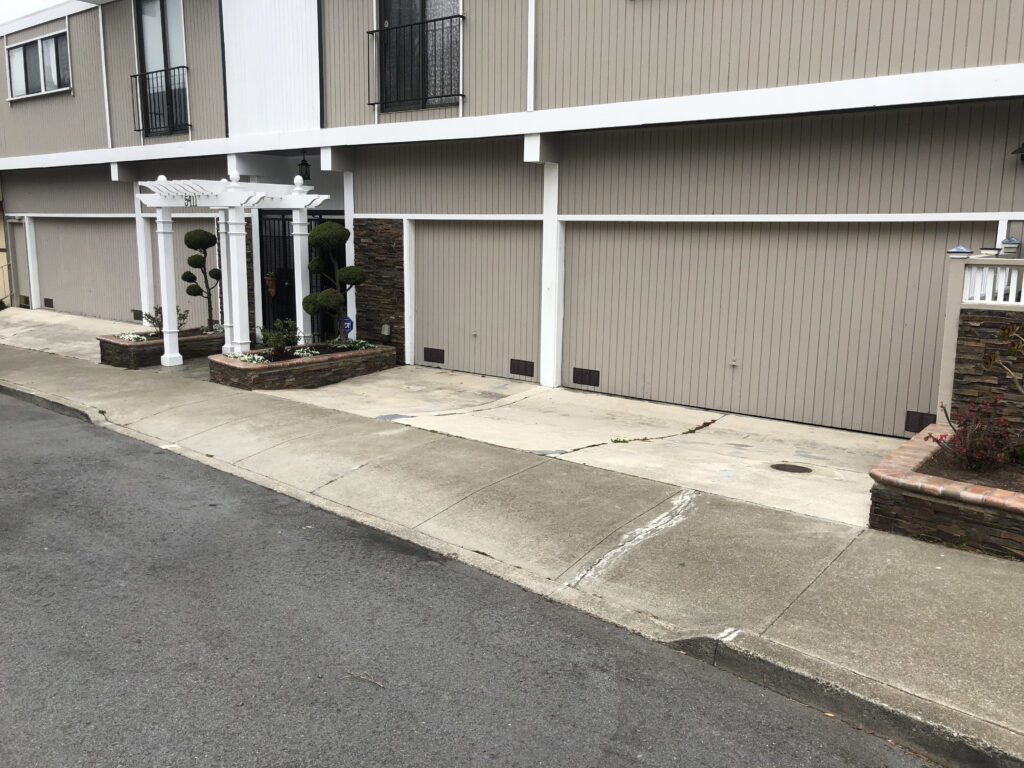
. Garage Door Installation in Sacramento, California: A Smart Upgrade for Safety, Comfort, and Curb Appeal A garage door does a lot more than open and close. It protects vehicles and storage, supports home security, reduces outside noise, and can dramatically improve curb appeal. If your current door is outdated, damaged, or simply not performing well, professional garage door installation in Sacramento, California is one of the best upgrades you can make. At Garage Door Doctor’z, we help homeowners and property managers choose the right door, hardware, and setup for long-term reliability. This guide explains when it’s time for a new door, what to consider before you buy, what the installation process looks like, and how to get the most value from your new garage door installation. When to Consider a New Garage Door You may need a new garage door installation if you’re experiencing any of the following issues. Your Garage Door Keeps Breaking Down If you’ve needed multiple repairs in a short period—panels, rollers, tracks, cables, or persistent noise—it may be more cost-effective to replace the door rather than continually patch problems. Visible Damage, Rot, or Warping Dents, cracked sections, rotting wood, or warping can compromise safety and cause uneven operation. Even a small bend can make the door bind in the tracks or put extra strain on the opener. Poor Insulation and Indoor Comfort Sacramento temperature swings can make garages hot in the summer and chilly in the winter. An insulated garage door can help stabilize temperatures, reduce noise, and support energy efficiency for rooms adjacent to or above the garage. Safety or Security Concerns Older doors may lack modern safety features, strong reinforcement, or effective sealing. A new door can improve security through upgraded hardware, better fit, and stronger construction. You Want Better Curb Appeal A garage door often makes up a large portion of your home’s front facade. Updating to a modern style can enhance the look of your property and may increase resale value. How to Choose the Right Garage Door for Your Sacramento Home A successful garage door installation starts with selecting a door that fits your home’s needs—not just the opening. The right materials, insulation, and design help ensure long-term performance and a clean, finished look. Garage Door Material Options Each material offers different benefits depending on your style preferences, budget, and maintenance expectations. Steel: Durable, low maintenance, and available in insulated and non-insulated options. A great choice for most residential properties. Wood: Classic look with natural warmth, but requires more maintenance and is often heavier. Aluminum/Glass: Contemporary styling and corrosion resistance, ideal for many modern homes. Composite: A wood-like appearance with less upkeep. Insulation and R-Value If you use your garage as a workshop, gym, laundry area, or you have living space above it, insulation matters. A higher R-value generally means improved thermal performance. We’ll help you balance performance, cost, and the best option for how you use your space. Garage Door Styles and Design Choices Popular garage door styles include: Traditional raised panel Carriage house (decorative, classic look) Modern flush Full-view glass You can also customize your door with windows, decorative hardware, and color options to match your home’s trim and architecture. Correct Sizing and Fit Proper sizing is crucial for smooth, safe operation. The door must match the opening width and height, but it also needs to work with the available clearances. Headroom above the door Side room near the tracks Backroom (garage depth) Professional installers measure and confirm these details to ensure everything operates correctly from day one. What Professional Garage Door Installation Includes A proper garage door installation in Sacramento, California is more than hanging a door. It’s a complete system—panels, tracks, springs, cables, rollers, bearings, hinges, seals, and the opener (if applicable) must be installed and adjusted to work together. A typical new garage door installation includes: Removal and haul-away of the old door (when needed) Verification of opening measurements and framing condition Installation of tracks, brackets, and hardware Assembly and installation of door sections Spring system installation and balancing Roller installation and alignment checks Weather seal installation and perimeter fit Safety inspection and final tuning If you’re pairing the door with an opener, the opener’s force settings, travel limits, and safety sensors should also be tested and adjusted. Why Spring Balancing Matters (Even on New Garage Doors) Garage doors are heavy, and the spring system counterbalances that weight so the door can lift smoothly and stay in place when partially opened. When springs are improperly sized or the door isn’t balanced, performance and safety can suffer. The opener has to work harder Parts wear out faster The door may slam shut or lift unevenly Safety risks increase During installation, the technician confirms the door is balanced, aligned, and operating correctly across the full travel range. Garage Door Installation Timeline: What to Expect Most standard residential garage door installations can be completed the same day. However, timing varies based on the specifics of your project. Door size and configuration (single vs. double) Custom design or special-order door Need for framing corrections Opener installation or replacement We keep the process straightforward: confirm measurements, recommend the right door, schedule installation, and complete a final walkthrough so you understand operation and basic maintenance. Signs Your Garage Door Installation Was Done Correctly After a professional new garage door installation, you should notice immediate improvements in performance and fit. Smooth, quiet operation Door opens and closes evenly Door stays in place when positioned halfway open (balanced) No rubbing, binding, or wobbling Tight weather seal at the bottom and sides Safe reversal when hitting an object (when an opener is used) If a door is loud, shaky, slow, or jerky, it may need track alignment, hardware adjustment, or balance correction. Maintenance Tips to Protect Your New Garage Door Even a new door benefits from routine care. Simple habits can extend its life and help prevent unexpected issues. Monthly visual inspection: Look for frayed cables, loose brackets, or worn rollers. Keep tracks
Garage Door Opener Repair in Lincoln, California
Garage Door Doctor’z provides garage door opener repair and installation in Lincoln, California. We fix sensor issues, settings, noisy operation, and nonresponsive remotes, and we install new openers for reliable daily performance. Call (833) 991-3899.
Garage Door Installation in Sacramento, California: A Complete Guide to a Smooth New Garage Door Installation
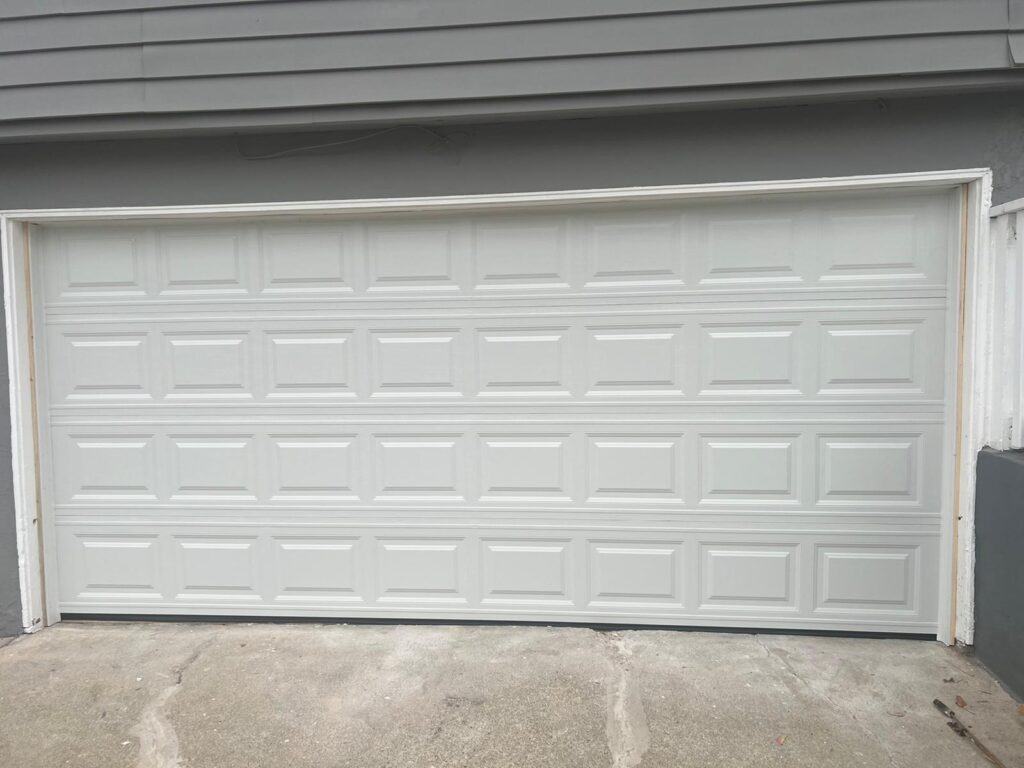
. A clean, properly fitted garage door instantly boosts curb appeal, runs more quietly, and helps protect your home. If you’re planning a garage door installation in Sacramento, California, it helps to understand what the process includes, which options fit your property, and how to avoid common issues that can cost you later. At Garage Door Doctor’z, we specialize in new garage door installation for homeowners and property managers who want reliable performance and a professional finish. This guide walks you through choosing the right door in Sacramento and what to expect from start to finish. Why Professional Garage Door Installation Matters A garage door may look simple, but it’s a carefully balanced system. Panels, tracks, rollers, hinges, cables, drums, and springs must work together smoothly and safely. When even one detail is off—like track spacing, spring sizing, bearing alignment, or opener settings—the door can quickly develop problems. Improper installation can lead to: A door that binds, jerks, or won’t close evenly Excessive noise and premature wear on rollers and hinges Weather leaks at the bottom seal or around the perimeter Poor balance that strains the opener and shortens its lifespan Safety concerns, including a heavy door that won’t stay in place A professional garage door installation ensures everything is level, square, sealed, balanced, and tuned for smooth performance over the long term. Signs It’s Time for a New Garage Door Installation Many customers reach out after years of repairs, only to find that replacement is the more cost-effective choice. You may be ready for a new garage door installation if you’re dealing with any of the following: Repeated panel damage or severe dents: Cosmetic damage can become structural over time. Rotting wood or rusting steel sections: Rot and corrosion weaken the door and the hardware mounting points. Cracked or failing insulation: Insulation matters for garages used as workshops, gyms, or connected spaces. An outdated style: A modern door can dramatically refresh your home’s exterior. Safety and reliability issues: Older doors may lack reinforced struts or may not align with today’s opener safety requirements. If you’re not sure whether repair or replacement makes more sense, Garage Door Doctor’z can inspect your door and help you choose the right path. Garage Door Styles Popular in Sacramento, California Sacramento homes range from classic ranch designs to newer construction, so style matters. Here are some of the most popular garage door styles we install: Raised-panel steel doors: A clean, classic look that’s budget-friendly and durable. Carriage-house style doors: Adds character and curb appeal, available in steel or composite overlay options. Modern flush-panel doors: A minimalist design that pairs well with contemporary exteriors. Wood-look doors: The warmth of wood with potentially lower maintenance, depending on the material. During your garage door installation in Sacramento, California, we’ll help you match the design and window layout to your home’s architecture. Choosing the Right Material and Insulation Your garage door’s material affects durability, maintenance, appearance, and price. Insulation also plays a bigger role than many homeowners expect. Steel Steel doors are the most common option for residential new garage door installation. They’re strong, widely available, and can be insulated for improved comfort and quieter operation. Aluminum Aluminum is lightweight and often used for modern designs. It resists rust but may dent more easily than steel. Wood or Composite Wood offers a premium look but typically requires more upkeep. Composite and faux-wood options can mimic real wood while reducing maintenance needs. Insulation: Why It Matters Even if your garage isn’t heated or cooled, insulation can still provide meaningful benefits. It can: Reduce outside noise Help stabilize temperatures near shared interior walls Reduce vibration for quieter operation With Sacramento’s warm summers, an insulated garage door often improves comfort—especially if you use your garage frequently. What to Expect During a Garage Door Installation A professional installation involves much more than hanging a few panels. Here’s what the typical garage door installation process looks like: Measure and confirm door size: We verify opening width and height, headroom, sideroom, and backroom to ensure the correct track and hardware setup. Remove the old door and hardware: Safe removal includes controlling spring tension and clearing track components. Install the new track system: Tracks are set plumb, level, and properly spaced to prevent binding. Set the door sections and hardware: Panels are stacked, aligned, and reinforced with struts when needed. Install springs and the lift system: Torsion springs are sized to the door’s exact weight for safe, smooth operation. Weather sealing and finishing touches: Bottom seal, perimeter trim (if needed), and final alignment are completed. Balance testing and safety checks: We confirm the door stays in place at mid-travel, runs smoothly, and meets safety standards. Opener connection and settings (if applicable): If you use an existing opener or install a new one, we adjust force and travel limits correctly. A properly completed new garage door installation should look clean, close evenly, and operate quietly. Can You Use Your Existing Garage Door Opener? Sometimes you can reuse your existing opener, but it depends on the setup. An opener may be reusable if: It’s properly sized for the new door’s weight The rail and mounting can be safely adapted Safety sensors are functional and aligned If the opener is older, noisy, or missing modern features like connectivity and battery backup, upgrading the opener with your new door can be a practical move. We’ll help you evaluate the best option during your garage door installation. Common Installation Issues (and How We Prevent Them) Homeowners often call us after a poor install caused avoidable problems. The most common issues include: Wrong spring size: Creates a heavy door and strains the opener. Crooked tracks: Leads to rubbing, squealing, or uneven closing. Gaps at the bottom seal: Lets in water, debris, and pests. Loose hinges or fasteners: Causes loud operation and unnecessary panel stress. Garage Door Doctor’z focuses on precise setup, correct hardware selection, and detailed balance testing so your garage door system performs the way it should. How to
Garage Door Installation in Sacramento, California: What to Expect From a New Garage Door Installation
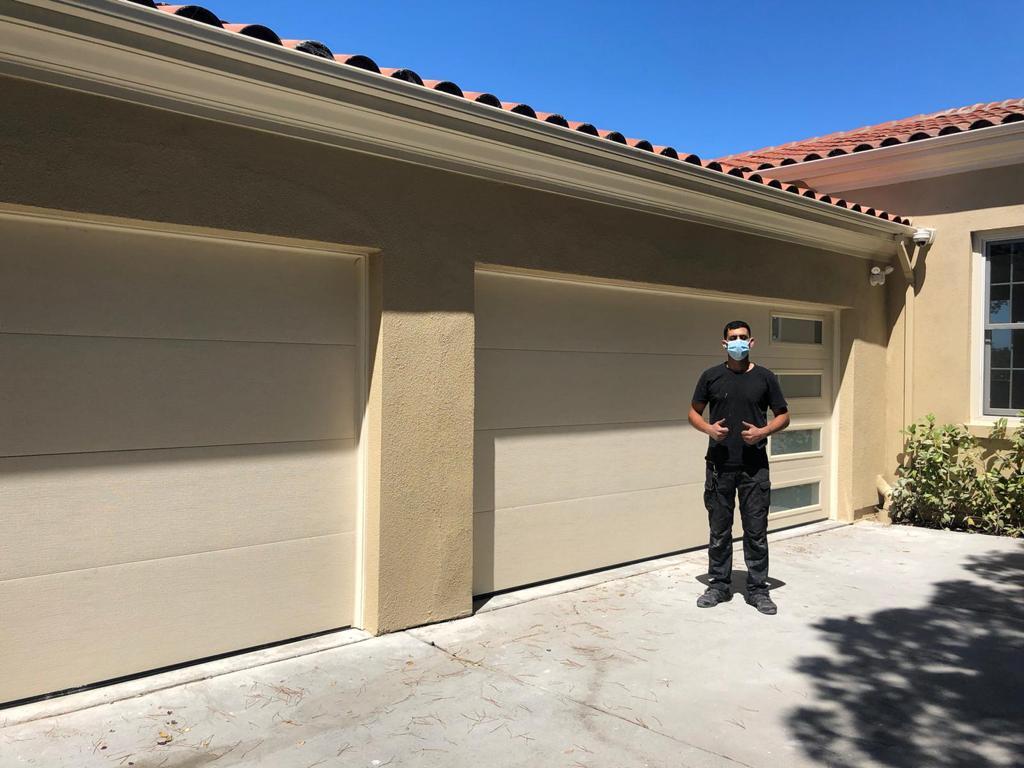
. A dependable garage door is one of the most important systems in your home. It protects vehicles and stored items, enhances curb appeal, supports energy efficiency, and keeps your daily routine running smoothly. If your current door is outdated, noisy, damaged, or no longer safe, a professional garage door installation can be one of the smartest upgrades you make. For homeowners seeking garage door installation in Sacramento, California, Garage Door Doctor’z provides expert guidance, quality products, and precise workmanship from start to finish. This guide explains what a new garage door installation includes, how to choose the right door for Sacramento’s conditions, what the installation process looks like, and how to get long-term value from your upgrade. Why Homeowners in Sacramento Install a New Garage Door Many customers contact us after living with a garage door that “sort of works” for far too long. While small issues can be easy to ignore at first, they often turn into bigger problems over time. Safety and Reliable Operation Older doors may have worn rollers, loose hardware, outdated spring systems, or failing panels. A modern door with properly balanced springs and up-to-date safety features reduces risk and improves everyday dependability. Curb Appeal and Resale Value Your garage door is a major part of your home’s front exterior. Upgrading to a clean, modern style—such as contemporary glass, carriage house designs, or flush panels—can instantly refresh the look of your home. Quieter Performance Newer doors, especially when paired with upgraded rollers and properly aligned tracks, operate far more quietly than aging systems. This can make a noticeable difference if bedrooms or living spaces are near the garage. Improved Insulation and Comfort If your garage is attached to your home or used as a workshop or gym, an insulated garage door can help stabilize temperatures and reduce drafts. This can also help limit heat transfer to adjacent rooms. Repair Costs That Keep Adding Up If you’re scheduling frequent repairs, you may end up spending more over time than the cost of replacement. A new garage door system can reduce breakdowns and deliver more consistent performance. What’s Included in a Professional Garage Door Installation A true professional garage door installation is more than hanging a new door. It’s a complete system installation, where every component impacts performance, safety, and longevity. At Garage Door Doctor’z, a typical new garage door installation includes: Removing and responsibly disposing of the old door and hardware (when replacing) Inspecting the opening, framing, and header condition Installing new tracks, hinges, rollers, and brackets as needed Setting up the torsion or extension spring system and balancing the door correctly Ensuring smooth travel and precise alignment Checking safety-related components and overall stability Final tune-up, including lubrication, fastener checks, and full operational verification If you’re also installing or upgrading a garage door opener, we can coordinate the setup so the opener and door are properly matched for weight, size, and daily use. How to Choose the Right Garage Door in Sacramento, California Sacramento’s warm summers and seasonal temperature shifts can affect your garage door choice—especially if the door faces strong afternoon sun. Selecting the right materials, insulation, and design helps your new door perform well and look great for years. Garage Door Material Options Different materials offer different advantages in durability, maintenance, and style. Common options include: Steel: A popular choice for durability, low maintenance, and affordability. Many steel doors are available with insulation to help reduce heat. Wood: Classic and beautiful, but typically requires more upkeep. Wood can be an excellent fit for certain architectural styles. Composite: Offers a wood-like appearance with improved resistance to cracking, warping, and rot. Aluminum and glass: A lightweight option with a modern look, often chosen for contemporary homes. Why Insulation Matters If your garage is attached to your home, insulation can help reduce heat transfer into nearby rooms. Consider insulated garage doors, often featuring polyurethane or polystyrene cores, to improve comfort and potentially reduce energy costs. Wind and Structural Strength A quality installation includes proper reinforcement and the right hardware for the door’s size and weight. Even without frequent extreme storms, a well-braced and properly installed door provides long-term stability and smoother operation. Style and Design Features A new garage door can dramatically improve curb appeal. Popular design choices include: Panel style: Short panel, long panel, or flush Windows: Top-row windows for natural light and added character Color and finish: Standard colors or custom finishes Decorative hardware: Handles and strap hinges for carriage house styling A skilled garage door company can help you choose a door that fits both your home’s look and your budget. When It’s Better to Replace Instead of Repair Garage door repair can be the right option in many situations. However, replacement is often the smarter long-term choice when the door has significant wear, damage, or outdated features. Consider replacing your garage door if: Multiple panels are damaged or warped The door is severely rusted or delaminating The door remains excessively noisy even after maintenance The door is very old and lacks modern safety improvements You want a major curb appeal upgrade If you’re unsure, our technicians can assess your current system and provide a clear recommendation. Garage Door Installation Process: What to Expect Homeowners often ask what installation day looks like. While every home is a little different, most garage door installations follow a consistent process focused on safety and precise alignment. 1) Measurement and Site Evaluation We confirm the opening dimensions, headroom, sideroom, and backroom. Accurate measurements ensure the door fits correctly, seals properly, and runs smoothly. 2) Door Selection and Scheduling After you choose your door style, insulation, windows, and other options, we schedule the installation and coordinate product delivery. 3) Removal of the Old Door (If Replacing) We safely remove the existing door sections and hardware. Because springs are under high tension, this work should always be completed by trained professionals. 4) Track and Hardware Installation We install and align the vertical and horizontal tracks, hinges, rollers, and support
Garage Door Spring Repair in Roseville, California: Fast Help for a Broken Garage Door Spring
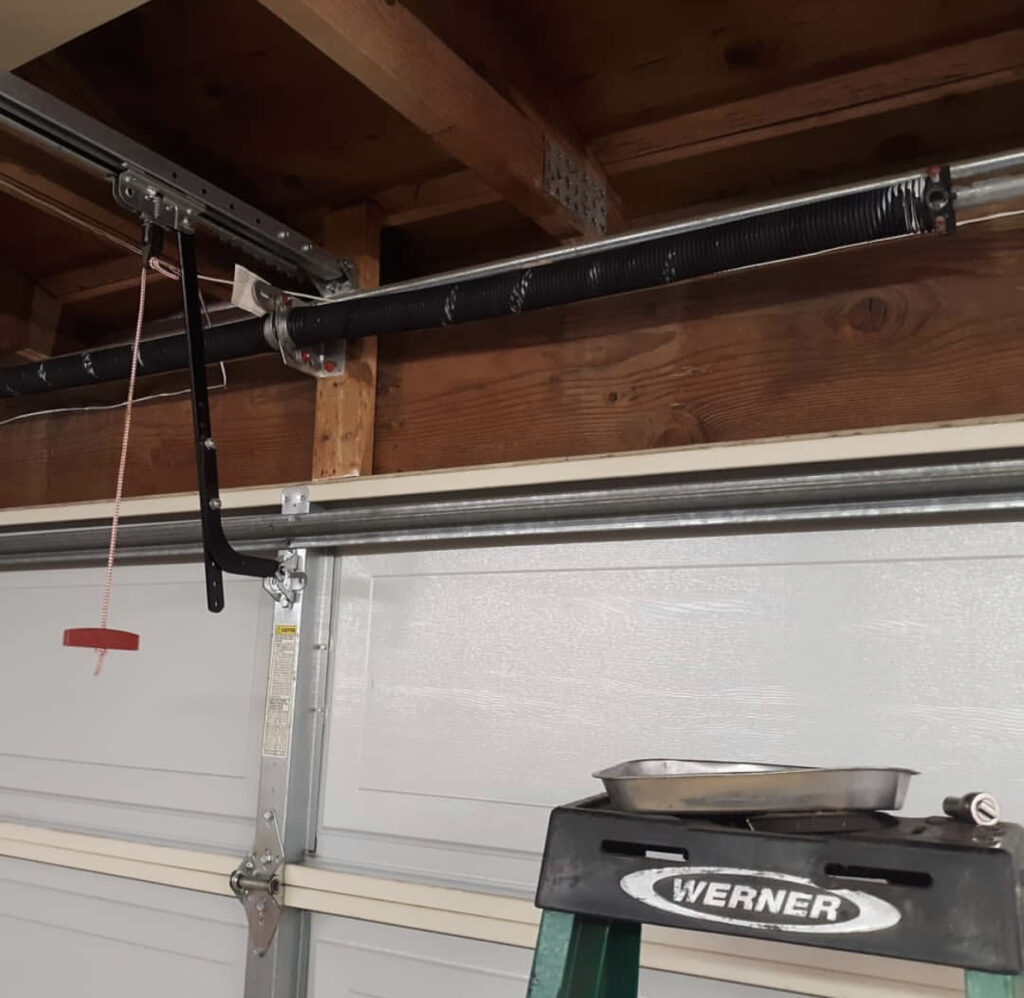
. When your garage door suddenly feels too heavy to lift, won’t open all the way, or you hear a loud “bang” from inside the garage, a broken garage door spring is often the cause. Springs do the heavy lifting every time your door opens and closes, and when they fail, the door can quickly become unsafe and unreliable. If you need garage door spring repair in Roseville, California, Garage Door Doctor’z is ready to help with prompt service, accurate diagnosis, and safe, professional replacement options. This guide explains how garage door springs work, the most common warning signs of failure, why spring work is dangerous as a DIY project, and what to expect during a professional repair. Why Garage Door Springs Matter A typical residential garage door weighs anywhere from 120 to 300+ pounds. Garage door springs are engineered to counterbalance that weight, allowing the door to lift smoothly by hand or with an opener. When springs are correctly sized and properly adjusted, you’ll notice: The door feels relatively light when lifted manually. The opener runs with less strain. The door stays balanced and doesn’t slam shut. Key components like rollers, cables, and bearings last longer. When a spring is damaged, worn out, or broken, the system loses its counterbalance. That’s why a broken garage door spring can cause the door to stop working entirely. Torsion vs. Extension Springs: What Most Roseville Homes Use Most modern garage doors use torsion springs, mounted on a steel shaft above the door opening. Torsion springs wind and unwind as the door moves, providing lifting force through drums and cables. Some older door systems use extension springs, which stretch along the horizontal tracks on both sides. Both types can fail, but torsion spring systems are especially common on newer doors and upgraded installations in Roseville. Signs You May Have a Broken Garage Door Spring Not sure if your issue is spring-related? These are common symptoms homeowners in Roseville, California notice when garage door spring repair is needed: A loud bang inside the garage — A spring can snap with a sound similar to a firecracker or a slammed door. The garage door won’t open — The opener may hum or try to lift, but the door barely moves. The door opens a few inches and stops — Many openers sense extra weight and reverse for safety. The garage door feels extremely heavy — After pulling the emergency release, lifting manually may feel difficult or dangerous. The door looks crooked or uneven — A single broken spring (or a cable issue caused by spring failure) can lift one side unevenly. Gaps in the torsion spring — With torsion springs, you may see a separation in the coil where the break occurred. If you notice any of these signs, treat the door as unsafe and stop using it until a professional inspects it. Why DIY Garage Door Spring Replacement Is Risky A broken garage door spring is more than an inconvenience—it’s a serious safety hazard. Springs are under high tension and can cause severe injury or property damage if mishandled. Common DIY risks include: Improper winding or unwinding technique Choosing the wrong spring size, leading to an unbalanced door Damaging cables or drums during replacement Stripped set screws or slipped winding bars The door falling unexpectedly due to sudden loss of tension For safe results and proper door balancing, garage door spring repair should be handled by trained professionals using the correct tools. What to Expect During Professional Garage Door Spring Repair When you call Garage Door Doctor’z for garage door spring repair in Roseville, California, the service process typically includes a complete inspection, correct spring selection, safe replacement, and final safety testing. 1) Full System Inspection We check the entire counterbalance system to make sure nothing is missed, including: Spring condition and sizing Cables and bottom brackets Drums, bearings, and center bearing plate Shaft alignment and hardware Roller wear and track condition Opener stress and travel limits This step matters because spring failure can create secondary problems, such as a cable that has jumped off the drum. 2) Correct Spring Selection Garage door springs are not one-size-fits-all. Proper sizing depends on door weight, height, drum type, track configuration, and cycle rating. Using the correct spring helps ensure: Smooth, consistent operation Reduced wear on the opener Better safety and long-term reliability 3) Safe Replacement and Door Balancing We replace the spring or springs, set the correct tension, and balance the garage door. A balanced door should: Stay at mid-height when lifted manually Open and close smoothly Not drift quickly up or down 4) Tune-Up and Safety Check After replacement, we verify the full system is operating safely and smoothly, including: Cable wrap and drum alignment Secure fastening of set screws and hardware Opener force settings and safety reversal function Quiet, consistent operation Should You Replace One Spring or Both? Many garage doors use a two-spring torsion system. If one spring breaks, the other is often nearing the end of its cycle life as well. In many cases, replacing both springs at the same time is the most cost-effective way to restore reliability and reduce repeat service calls. We’ll help you decide based on: The age and condition of the remaining spring Your household’s door usage frequency Overall safety and long-term value How Long Do Garage Door Springs Last? Spring life is measured in cycles (one open plus one close equals one cycle). Standard garage door springs are often rated for around 10,000 cycles, while high-cycle options can last significantly longer. In busy Roseville households where the garage is used as the main entry, springs may wear out sooner than expected. If your door runs multiple times per day, upgrading to higher-cycle springs can help reduce future breakdowns. What to Do Right Now If Your Garage Door Spring Is Broken If you suspect a broken garage door spring, take these steps to protect your home and avoid further damage: Stop using the opener. Continued operation
Garage Door Maintenance in Lincoln, California
Keep your garage door running smoothly with professional maintenance in Lincoln, CA. Garage Door Doctor’z provides inspections, tune-ups, and reliable garage door service to reduce noise, improve safety, and prevent unexpected breakdowns.
Garage Door Opener Repair in Sacramento, California: Fast Fixes & Expert Installation
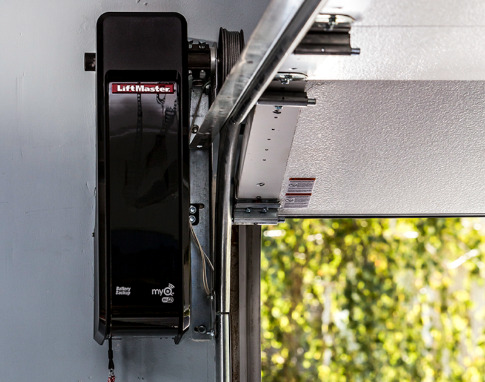
. A dependable garage door opener is the key to a smooth, secure, and quiet garage door experience. When your opener hesitates, reverses unexpectedly, grinds, or stops responding, it can quickly become a daily headache—or a safety concern. If you’re searching for garage door opener repair in Sacramento, California, Garage Door Doctor’z provides professional troubleshooting, reliable repairs, and clean, code-compliant upgrades. This guide covers common opener problems, what causes them, what you can safely check at home, and when it’s time to call a technician. You’ll also learn when garage door opener installation makes more sense than repairing an older unit, plus how to choose the right opener for your home. Why Garage Door Opener Problems Shouldn’t Be Ignored Your garage door is the largest moving object in your home. The opener system—motor, drive, sensors, rail, trolley, logic board, wiring, and controls—must work in sync with the springs, rollers, tracks, and the door itself. When any part is out of step, the system may: Strain and wear out prematurely Become noisy or slow Fail to open or close when needed Reverse unexpectedly (a safety risk) Lose critical security features (like rolling code protection) Prompt garage door opener repair can prevent bigger failures and help protect your vehicle, belongings, and family. Common Signs You Need Garage Door Opener Repair Homeowners in Sacramento often call us when they notice: Opener won’t respond (no wall-control or remote response) Door opens but won’t close (often related to photo-eye sensors) Door closes then reverses (travel limits, force settings, obstructions, or sensor alignment) Intermittent operation (logic board issues, wiring problems, or radio interference) Grinding, rattling, or squealing (drive gear, chain/belt tension, motor bearing, rail/trolley wear) Flashing lights or beeping (diagnostic codes vary by brand) Weak remote range (battery, antenna, or receiver module) Door feels heavy or moves jerkily (spring or door hardware issues that overload the opener) Even when the opener seems like the problem, the root cause may be the door’s mechanical system. A proper diagnostic checks both. Safe Checks You Can Do Before Scheduling Service A few homeowner-friendly steps can sometimes restore operation: Check the power: Confirm the opener is plugged in, and test the outlet with another device. Look for a tripped breaker or GFCI: Reset if needed. Replace remote batteries: Simple, but often overlooked. Inspect photo-eye sensors: Make sure they’re clean, aligned, and unobstructed. If one sensor light is off or blinking, alignment is likely the issue. Test the door manually: With the door closed if possible, pull the emergency release and lift the door by hand. If it’s very heavy, slams down, or won’t stay halfway open, stop and call a pro—your spring system may be failing. If these steps don’t help, schedule professional garage door opener repair to avoid electrical hazards, damaged parts, or unsafe door operation. What Typically Causes Garage Door Opener Failures Sensor and Safety Issues Modern openers rely on photo-eye sensors to prevent entrapment. Common issues include: Misalignment from bumps or vibrations Dirty lenses Sun glare at certain times of day Damaged low-voltage wiring near the track Worn Drive Components Depending on whether you have a chain, belt, or screw drive opener, typical wear points include: Chain/belt tension and sprockets Trolley carriage wear Rail alignment problems Logic Board and Electronics Problems Power surges, moisture, heat, and age can lead to: Random operation Loss of programming Failure to close Wall console or control issues Travel Limits and Force Settings When limits drift, the opener can “think” the door hit the floor too soon—or not soon enough. This often causes reversing, incomplete closure, or inconsistent operation. The Door Is Out of Balance An opener is not designed to lift a dead-weight door. If springs are worn or broken, the opener may strain, overheat, or fail. In many repairs, we address door balance first, then recalibrate opener settings. Our Garage Door Opener Repair Process in Sacramento At Garage Door Doctor’z, we approach opener issues as a full system problem—not just a motor problem. A typical service visit includes: Full inspection of the opener, rail, mounting, wiring, sensors, and controls Door balance testing to ensure springs and rollers aren’t overloading the opener Troubleshooting using manufacturer diagnostics when available Precise adjustments to travel limits, force settings, sensor alignment, and chain/belt tension Component repair or replacement (gears, sprockets, capacitor, logic board, remotes, wall console, safety sensors) Operational testing and safety verification Our goal is simple: restore safe, quiet, reliable performance—without unnecessary upsells. When Garage Door Opener Installation Is the Better Option In some cases, replacement is the smarter long-term investment. We often recommend garage door opener installation when: The opener is 10–15+ years old and showing multiple symptoms Replacement parts are unavailable, or repairs cost nearly as much as a new unit You want modern safety and security features (rolling code, improved lighting, battery backup) You’re upgrading for quieter operation (often a belt-drive) You need smartphone control and monitoring A new opener can improve daily convenience, reduce noise, and increase security—especially for attached garages. How to Choose the Right Garage Door Opener for Your Sacramento Home Pick the Best Drive Type Belt drive: Quiet and smooth; ideal for attached garages. Chain drive: Durable and cost-effective, but typically louder. Wall-mount (jackshaft): Mounts beside the door, frees ceiling space, and works well for high ceilings or storage setups. Match Horsepower and Lifting Capacity to Your Door Heavier insulated or custom doors often benefit from a stronger motor and more robust hardware designed for the added weight and usage. Look for Must-Have Features Battery backup (helpful during power outages) LED lighting for brighter, longer-lasting illumination Smart control (Wi‑Fi/app) for alerts and remote access Motion-activated light or timer-to-close for added convenience We’ll recommend an opener that fits your door weight, daily use, and budget. Opener Problems vs. Spring Problems: How to Tell the Difference Many homeowners search for garage door opener repair when the real issue is spring tension. Signs it may be a spring or balance problem include: The door feels extremely heavy in manual
Garage Door Spring Repair in Sacramento, California: Fix a Broken Garage Door Spring Safely & Fast
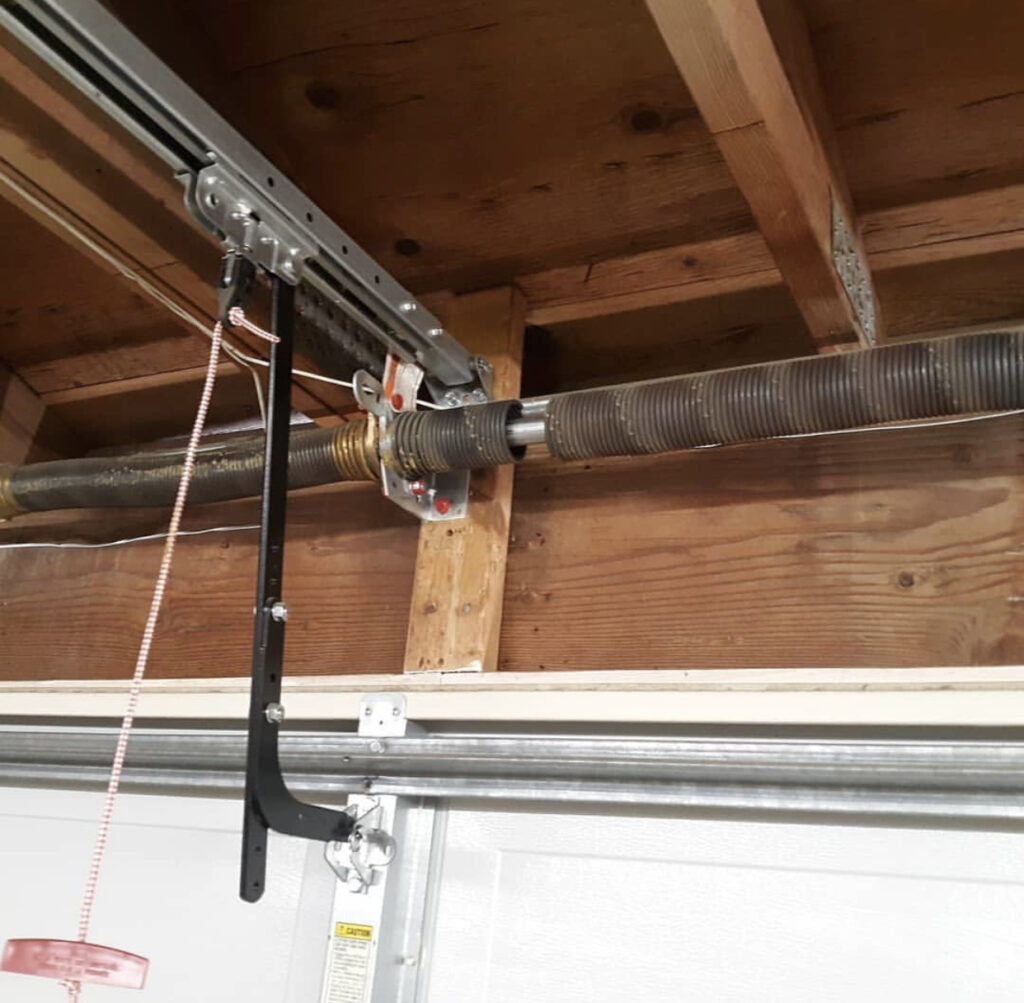
. Garage Door Spring Repair in Sacramento, California: Signs, Causes, and Safe Solutions A garage door that won’t open smoothly—or won’t open at all—is often caused by a spring issue. If you’ve heard a loud bang, noticed the door feels unusually heavy, or watched it rise a few inches and stop, there’s a strong chance you’re dealing with a broken garage door spring. For homeowners and businesses in Sacramento, California, it’s important to act quickly. Garage door springs are under extreme tension, and the wrong DIY attempt can be dangerous. At Garage Door Doctor’z, we specialize in garage door spring repair in Sacramento, California. Whether you have torsion springs above the door or extension springs along the tracks, our technicians can diagnose the issue, recommend the right fix, and restore safe, balanced operation. Why Garage Door Springs Matter Garage door springs do the heavy lifting. A typical garage door can weigh anywhere from 150 to 400+ pounds, and the springs counterbalance that weight so the door can move smoothly. When springs are correctly sized and properly tensioned, you’ll usually notice: The door feels relatively light when lifted manually The opener doesn’t strain or stall Cables stay tight and aligned The door stays balanced at mid-height When a spring breaks or loses tension, the system can fall out of balance. Over time, this can damage cables, rollers, hinges, the opener, and even the door sections. Common Signs of a Broken Garage Door Spring In Sacramento, California, we often get calls right after customers notice one or more of these issues: A loud “bang” from the garage: Springs can break with a sharp cracking sound that may be mistaken for something falling. The door won’t open (or only opens a few inches): The opener may run, but it can’t lift the door’s weight. The garage door feels extremely heavy: Manual lifting becomes much harder than normal. Crooked or uneven door movement: In a two-spring setup, a single broken spring can cause uneven lifting. Loose or hanging cables: When spring tension is lost, cables may slip or lose proper alignment. A visible gap in a torsion spring: On torsion systems, separation in the coil is a clear sign of a break. If you suspect a broken garage door spring, stop operating the door. Avoid pulling the emergency release unless the door is fully closed, since an unbalanced door can drop suddenly. Torsion vs. Extension Springs: What’s the Difference? Most modern garage doors in Sacramento use torsion springs, which are mounted on a shaft above the door opening. These springs wind and unwind to lift the door with controlled, smooth movement. Extension springs are usually mounted alongside the horizontal tracks and stretch when the door closes. Both types can fail, and both require correct tools, correct sizing, and safe procedures. Torsion systems are especially common because they typically provide smoother operation and better control. What Causes Garage Door Spring Failure? Garage door springs wear out over time, even if the break happens suddenly. Common causes include: Cycle life exhaustion: Springs are rated for a set number of open/close cycles. Rust and corrosion: Moisture and poor lubrication accelerate wear. Incorrect spring size: Mismatched springs can shorten lifespan and add strain to the opener. Poor maintenance: Dry coils and worn bearings create extra friction. Temperature swings: Changing conditions can affect metal fatigue and performance. Even when the break seems sudden, the spring has usually been weakening for months or years. Our Garage Door Spring Repair Process in Sacramento, California When you contact Garage Door Doctor’z for garage door spring repair in Sacramento, California, our process is built around safety, correct spring selection, and long-term reliability. 1) Safety Inspection and System Diagnosis We begin with a full inspection to identify the spring issue and any related damage. We check: Spring condition (breaks, stretching, corrosion) Shaft, bearing plates, and center bracket Cables and drums Rollers, hinges, and track alignment Opener strain and settings This helps ensure we address not only the broken spring, but also the problems it may have caused. 2) Proper Spring Sizing and Clear Recommendations A reliable repair depends on choosing the correct springs. Springs must match the door’s weight, height, drum type, and track configuration. Using the wrong spring can lead to: The door slamming shut or drifting open Premature opener failure Cable issues and uneven lifting We select the right springs for your specific door so it lifts smoothly and stays properly balanced. 3) Professional Replacement and Door Balancing In most broken spring situations, replacement is the safest and most dependable solution. After installing the new springs, we: Set the correct tension Balance-test the door by hand Confirm smooth travel and even cable wrap Tighten hardware and check bearings 4) Final Opener Testing and Safety Verification Once the door is balanced, we test opener performance and applicable safety features. This helps ensure the motor isn’t overworked and the door operates correctly. Should You Replace One Spring or Both? If your garage door uses two torsion springs and one breaks, the other is often close to the end of its cycle life. Many Sacramento homeowners choose to replace both springs at the same time to avoid another breakdown soon after. Replacing both springs can provide: More balanced lift and smoother operation Reduced risk of a second, imminent failure Better long-term value with fewer service calls We’ll explain your options clearly so you can choose what fits your budget and timeline. The Risk of DIY Garage Door Spring Repair It’s understandable to look up a tutorial when your garage door is stuck. However, spring repair is one of the most hazardous garage door tasks because springs store significant energy. Common DIY issues we see include: Damaged torsion shafts from improper tools Slipped winding bars Incorrect winding direction Loose set screws leading to sudden release Misrouted cables and drum problems For safe, correct results, spring work should be handled by trained garage door technicians with the proper tools. Preventing Future Spring Problems: Maintenance Tips Springs