
Garage Door Opener Installation in Sacramento, California: Quiet, Smart & Reliable Openers
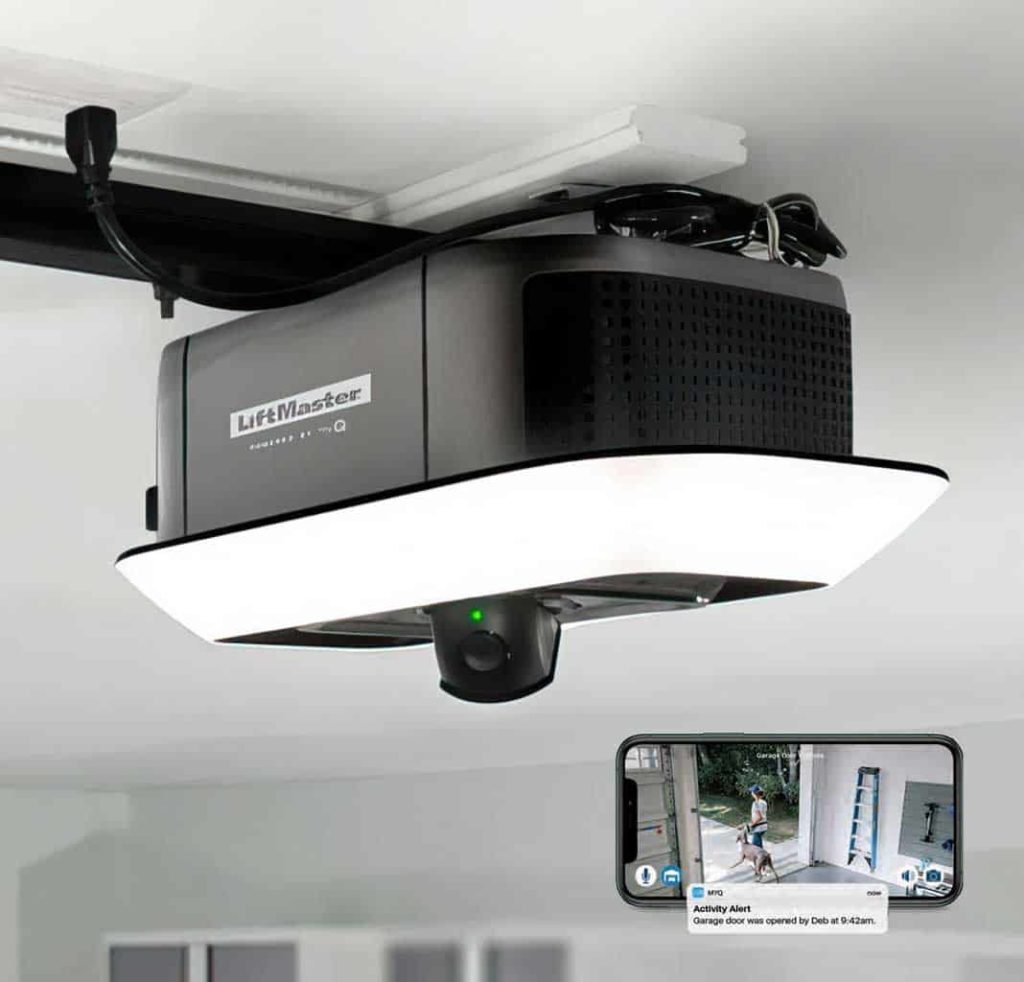
. Dependable Garage Door Opener Installation and Repair in Sacramento, California A dependable garage door opener is one of the most important pieces of equipment in your home. You rely on it when you’re heading to work, carrying in groceries, or coming home late at night. When an opener starts grinding, hesitating, reversing for no reason, or ignoring the remote, it’s more than an inconvenience—it can become a safety and security concern. At Garage Door Doctor’z, we specialize in garage door opener installation and garage door opener repair in Sacramento, California. Whether you’re upgrading to a quieter belt-drive model, adding smartphone control, or troubleshooting an opener that won’t lift the door, our technicians can help you find the right solution and restore smooth operation. In this guide, we’ll explain how garage door openers work, when repair makes sense versus replacement, and what to expect during a professional opener installation in Sacramento. Why Your Garage Door Opener Matters Your opener doesn’t just move the door up and down. Modern openers are part of a complete system that includes multiple components working together. The motor and drive type (belt, chain, or screw) The rail and trolley that pulls the door Safety sensors that prevent the door from closing on a person, pet, or object Wall controls, remotes, keypads, and/or smart-home connectivity A properly balanced garage door (springs and hardware affect the opener’s workload) If any part of this system is worn, misaligned, or poorly installed, you may notice extra noise, slow performance, premature part failure, or safety issues. That’s why a professional inspection matters when you need garage door opener repair or are planning a new garage door opener installation. Signs You Need Garage Door Opener Repair Not every issue requires a brand-new unit. In many cases, garage door opener repair can restore reliable function quickly and cost-effectively. Here are common symptoms we see in Sacramento. 1) The opener runs but the door doesn’t move This is often caused by a disengaged trolley, a broken internal gear, a damaged carriage, or an issue with the rail assembly. 2) The door reverses when closing This is commonly linked to misaligned or dirty photo-eye sensors, sensor wiring problems, or force settings that need adjustment. 3) The remote or keypad works only sometimes Possible causes include weak batteries, interference, programming issues, worn wall-button contacts, or a failing logic board. 4) Excessive noise or vibration A loud chain, worn sprocket, loose mounting points, or a failing motor can make an opener rattle and vibrate. In many homes, switching to a belt-drive during garage door opener installation significantly reduces noise. 5) The opener strains or stops mid-cycle This may point to an out-of-balance garage door (spring tension issue), track binding, or a motor nearing the end of its service life. 6) Safety sensors won’t stay aligned If sensors repeatedly lose alignment, the issue could be a loose bracket, damaged wiring, or an installation angle problem. When you call Garage Door Doctor’z for garage door opener repair in Sacramento, California, we inspect the opener and the door as one system. What looks like a “bad opener” is sometimes a door issue that’s forcing the opener to work too hard. Garage Door Opener Repair vs. Replacement: How to Decide When customers ask whether to repair or replace, we use a few practical guidelines to make the decision clear. Choose repair when: The opener is relatively newer and the motor is healthy The issue is limited to remotes, sensors, minor adjustments, or a replaceable part The door is properly balanced and the opener isn’t being overworked You’re satisfied with the current features and noise level Consider replacement/installation when: The opener is older and replacement parts are hard to find The unit lacks modern safety or security features The motor is failing or repeated repairs are adding up You want smart controls (Wi‑Fi/app), battery backup, or a quieter drive Your garage door is heavier (for example, insulated) and needs a properly sized opener A professional garage door opener installation is also a great time to improve daily convenience with smartphone alerts, secure rolling-code technology, and smoother lifting. Types of Garage Door Openers for Sacramento Homes Choosing the right opener depends on your garage layout, the door’s size and weight, and how important quiet operation and modern features are to you. Chain-drive openers Often cost-effective Durable with strong lifting capability Typically louder than belt-drive options Belt-drive openers Very quiet and smooth Ideal for garages attached to living spaces or bedrooms A great choice for most residential garage door opener installation projects Screw-drive openers Fewer moving parts Can be fast and powerful Performance depends on maintenance and temperature conditions Wall-mount (jackshaft) openers Mount on the wall beside the door Free up ceiling space for storage or high ceilings Often include modern features and quiet performance If you’re not sure what fits your needs, Garage Door Doctor’z can recommend the best option based on your door size, how often you use it, and local conditions in Sacramento, California. What to Expect During a Professional Garage Door Opener Installation A correct installation protects your investment and helps prevent future service calls. Here’s what our typical garage door opener installation process includes. System evaluation: We confirm the garage door is balanced and that the track and hardware are safe and operating properly. Opener selection: We match the right horsepower/strength, drive type, and features to your lifestyle. Removal of old equipment (if needed): Safe disconnection and disposal guidance. Mounting and alignment: Solid header and ceiling support, straight rail alignment, and proper vibration isolation. Safety sensor setup: Correct height, alignment, and protected wiring. Programming: Remotes, keypad, vehicle integration (when applicable), and smart app setup. Force and travel adjustments: Smooth open/close limits and safe reversing behavior. Final safety testing and walkthrough: We test photo-eyes, auto-reverse, and emergency release, then show you how everything works. This attention to detail helps your opener run quieter, last longer, and perform safely day after day. Smart Openers, Security, and Convenience Upgrades Many
Garage Door Opener Repair in Lincoln, California
Garage Door Doctor’z provides garage door opener repair in Lincoln, CA. We diagnose sensor issues, wiring/control problems, noisy openers, and doors that stop or reverse. Call (833) 991-3899 or visit garagedoordoctorz.com to schedule service.
Garage Door Opener Repair in Sacramento, California | Fast, Safe Service
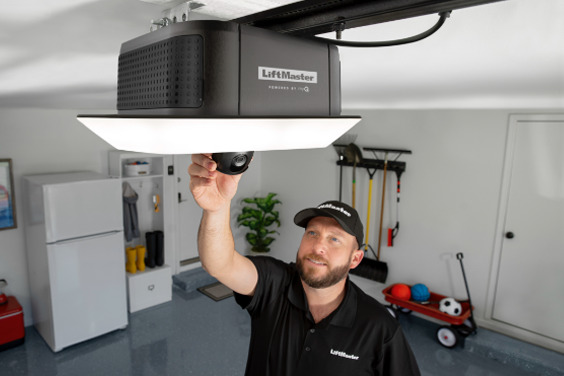
. A garage door opener is the convenience and security hub of your entire garage door system. When it starts grinding, stalling, reversing unexpectedly, or refusing to open at all, it doesn’t just slow down your day—it can create safety risks for your family, vehicle, and home. If you’re looking for dependable garage door opener repair in Sacramento, California, Garage Door Doctor’z provides professional troubleshooting and solutions designed to restore smooth, reliable operation. This guide covers the most common opener problems we see in Sacramento, what typically causes them, how to spot issues early, and what to expect from a professional garage door service visit. Why Your Garage Door Opener Matters Your opener does more than lift a door. It coordinates multiple safety and control components that work together to keep your garage door operating smoothly and safely. Key components include: The motor and drive system (belt, chain, or screw) The logic board and wiring Safety sensors (photo-eyes) Travel limits and force settings Wall control and remote/keypad access When any of these parts drift out of alignment, wear down, or lose calibration, the door can become unreliable or unsafe. Common Garage Door Opener Problems We Repair in Sacramento Homeowners often notice a sudden failure, but openers usually show warning signs first. Below are the garage door opener issues we most frequently resolve in Sacramento homes. 1) The Opener Runs, but the Door Doesn’t Move If the motor hums or the trolley moves but the door stays put, the opener may be disengaged or a mechanism may be slipping. In some cases, the issue is actually with the door system rather than the opener. Common culprits include: Emergency release pulled or disconnected Worn sprocket or gear inside the opener Broken carriage or trolley components Door stuck due to track or roller issues A professional inspection helps confirm whether the opener is truly at fault or if the door is binding due to misaligned tracks or worn rollers. 2) The Door Reverses Immediately After Touching the Floor This problem often points to travel limit or force setting issues. It can also happen when the opener “feels” resistance and reverses for safety. Resistance can come from: Track obstructions Bent track sections Stiff rollers Bottom seal binding on uneven floors Correct calibration matters. Over-tightening force settings can be dangerous and may also damage the door. 3) The Remote or Keypad Stops Working Sometimes it’s as simple as replacing batteries. Other times, the issue involves signal, programming, or internal opener electronics. Potential causes include: Remotes needing reprogramming A failing receiver or logic board Interference or antenna issues Worn wall button wiring We test signal strength, reprogram controls, and verify secure operation. 4) Safety Sensor Issues (Door Won’t Close) If your garage door opener light flashes and the door won’t close, the photo-eye sensors may be blocked or misaligned. In many Sacramento garages, dust, storage movement, and minor bumps are common causes. Typical sensor-related issues include: Sensor misalignment Dirty lenses Damaged sensor wires We realign, clean as needed, and test sensors so your system closes safely and consistently. 5) The Opener Is Loud, Vibrating, or Jerky Noise isn’t just annoying—it’s often a sign of wear or strain. A loud opener may also mean the door itself isn’t moving smoothly, forcing the opener to work harder than it should. Possible causes include: Chain too loose or too tight Failing bearings or motor mounts Dry rail or a worn trolley Door balance issues making the opener work too hard With proper adjustment, lubrication (where appropriate), and worn-part replacement, we can often quiet a system significantly. 6) Intermittent Operation If your opener works “sometimes,” the problem is typically electrical, heat-related, or caused by door hardware that binds inconsistently. Sacramento’s hot summers can also expose marginal components. Common causes include: Overheating motor due to age or strain Loose wiring connections Failing logic board Binding door hardware that changes with temperature We focus on identifying the root cause rather than guessing. The Garage Door and Opener Work as a System A key point many homeowners don’t realize is that an opener is not designed to lift a heavy, unbalanced garage door. Springs do the real lifting. If the door is heavy or slams shut, the opener is forced to strain, which can lead to repeated breakdowns. During garage door opener repair, Garage Door Doctor’z also evaluates: Door balance and smooth manual operation Rollers and hinges for wear Track alignment and fasteners Cable condition (visual check) This complete garage door service approach helps prevent recurring issues. Safe Troubleshooting Tips to Try Before Calling Before scheduling service, you can try a few quick checks that are safe for most homeowners. Confirm the opener is plugged in and the breaker isn’t tripped. Replace remote batteries and test the wall button. Make sure the photo-eye sensors are unobstructed and gently wipe the lenses. Verify the door isn’t manually locked. Avoid adjusting springs, cables, or force settings yourself. These components can be dangerous, and incorrect adjustments can cause damage. When to Schedule Professional Garage Door Opener Service If you notice any of the issues below, it’s best to call for professional garage door opener repair in Sacramento before the problem worsens. Grinding, popping, or repeated clicking Burning smell or motor overheating Door reversing unexpectedly Door won’t close and the opener light flashes The opener strains, especially with a heavy door These warning signs often indicate a problem that can escalate quickly or create a safety hazard. Garage Door Opener Repair vs. Replacement: Which Is Better? In many cases, garage door opener repair is the most cost-effective option. However, replacement may make more sense under certain conditions. Replacement may be the better choice when: The opener is very old and parts are no longer supported The logic board is failing repeatedly The motor is weak or overheating frequently You want modern safety and security features Modern openers can offer quieter operation, improved LED lighting, battery backup, and enhanced rolling-code security. We’ll explain your options clearly so
Garage Door Installation in Napa, California: A Homeowner’s Guide to a Smooth, Secure New Door
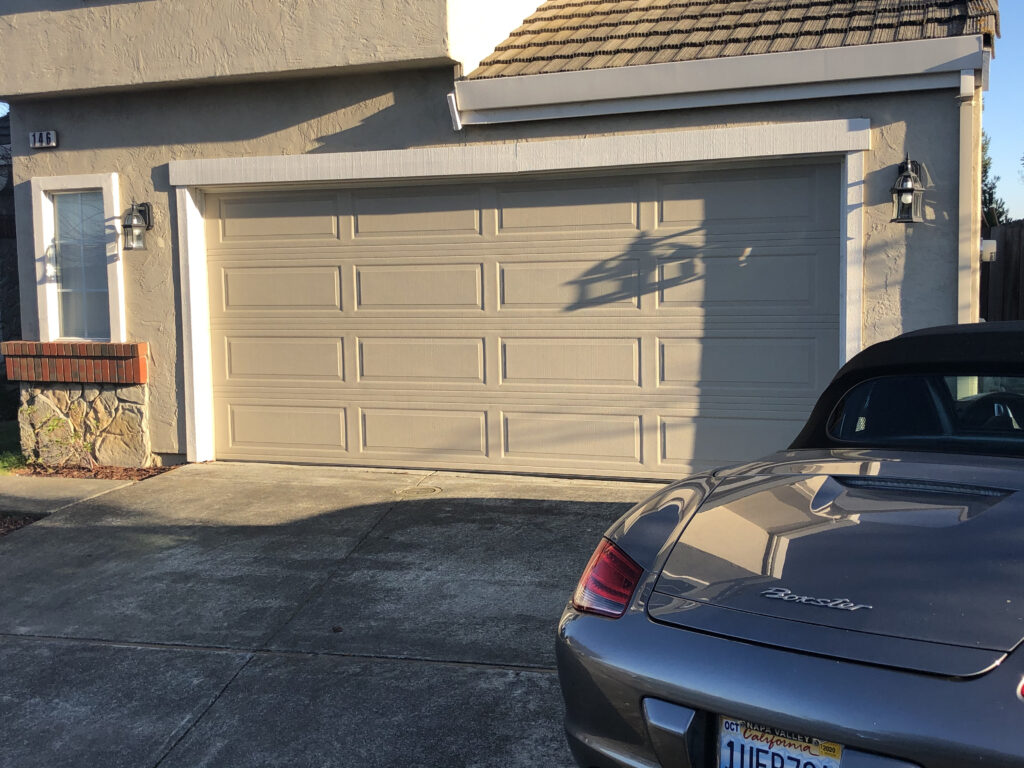
. Upgrade Your Home With Professional Garage Door Installation in Napa, California A clean, modern garage door can transform both the appearance and performance of your home. If your current door is noisy, dented, outdated, or no longer seals properly, a professional garage door installation is one of the best upgrades you can make—especially in Napa, California, where temperature swings, strong sun exposure, and daily use can speed up wear. At Garage Door Doctor’z, we help homeowners choose the right door and install it correctly the first time. This guide covers what to expect during a new garage door installation, which options fit Napa homes best, and how to protect your investment for years to come. Why Proper Garage Door Installation Matters Your garage door is typically the largest moving component of your home. It impacts curb appeal, daily convenience, energy efficiency, and safety. A properly installed garage door should perform smoothly—and protect the rest of the system. A correctly installed door should: Open and close smoothly with minimal noise Seal around the perimeter to reduce drafts, dust, and pests Lock and secure properly Stay balanced to reduce strain on the opener Handle repeated cycles without premature wear When installation is rushed or parts don’t match the door’s weight and design, problems can show up quickly. Uneven movement, banging, visible gaps, frayed cables, or an opener that struggles can shorten the lifespan of the entire system. Signs It’s Time for a New Garage Door Installation In Napa, many homeowners replace garage doors due to visible aging, but performance and safety issues matter just as much. If your door is becoming unreliable, replacement is often the smarter long-term move. Consider a new garage door installation if you notice: Rot, cracking, rust, or major dents in door sections A door that’s extremely loud or shakes while operating Persistent misalignment or recurring roller/track problems Noticeable gaps at the sides or bottom A door that feels heavy or won’t stay halfway open (balance issues) Repairs becoming more frequent and more expensive A renovation or remodel that calls for an updated exterior style If you’re dealing with repeated repairs, a new garage door installation can be the more cost-effective and dependable choice. How to Choose the Right Garage Door for Napa, CA Homes Picking a garage door isn’t only about color. The right choice balances materials, insulation, durability, and a style that fits your home’s architecture and Napa’s climate. Door Material Options Each material offers different benefits depending on your priorities and maintenance preferences: Steel: Durable, low-maintenance, and available in many designs—ideal for most homes. Wood: Classic, high-end curb appeal, but needs regular maintenance to handle sun and moisture. Composite: Wood-like appearance with improved durability and less upkeep. Aluminum/Glass: Modern look, lightweight, and naturally corrosion-resistant. Insulation for Comfort and Efficiency If your garage is attached, has bedrooms above it, is used as a workspace, or you want to reduce street noise, an insulated garage door is a strong upgrade. Insulation can improve comfort and may help reduce strain on your HVAC system. Style and Panel Design A clean, raised-panel garage door complements many Napa-area homes, including common stucco exteriors. Popular garage door styles in Napa neighborhoods include: Traditional raised-panel doors Carriage house designs Contemporary flush-panel doors Top-row windows for added natural light Hardware Quality and Cycle Rating A professional garage door installation should include hardware built for long-term performance. That means springs, rollers, hinges, brackets, and track components that match your door’s weight and intended cycle life. What’s Included in a Professional Garage Door Installation A high-quality garage door installation is a complete system setup—not just “hanging a door.” The goal is quiet operation, proper balance, and safe, reliable performance. At Garage Door Doctor’z, a typical installation includes: Confirming opening size and headroom/sideroom requirements Removing and hauling away the old door (when applicable) Installing new tracks, rollers, hinges, and brackets Installing torsion or extension springs sized to the door Setting up cables and drums (torsion systems) Balancing the door so it lifts smoothly by hand Reconnecting or installing the opener (if applicable) Testing safety features (photo eyes and force settings) Final tune, lubrication, and operational checks Should You Replace Your Opener During Garage Door Installation? Not always, but installation time is the perfect time to confirm compatibility, safety, and performance. An older opener may be louder, lack modern safety features, or struggle with a new door’s weight and configuration. Ask yourself: Does your opener run smoothly without jerking or stalling? Is it more than 10–15 years old? Do you want smartphone control and added security features? Is the drive type right for your needs (belt drives are typically quieter)? If you keep your existing opener, we’ll make sure it’s properly adjusted to the new door and that all safety systems are working correctly. How Long Does Garage Door Installation Take? Most standard residential garage door installation projects can be completed in a single visit once the door is onsite. The exact timeline depends on the door and the condition of the existing setup. Factors that can affect installation time include: Door size and weight Track and framing conditions Opener integration or replacement Custom trim work or specialty hardware We also set aside time for proper balancing and safety testing—critical steps that should never be rushed or skipped. Safety First: Why DIY Garage Door Installation Is Risky DIY videos can make garage door installation look simple, but the springs and cables store significant tension. Incorrect installation can lead to severe injuries or costly property damage. Professional installation helps ensure: Correct spring sizing and safe winding/tensioning Proper cable routing and drum alignment Secure mounting to the home’s framing Track leveling and plumb alignment Safe, code-compliant operation If you’re considering a new garage door installation in Napa, California, it’s safest to hire trained garage door technicians with the right tools and experience. How to Maintain Your New Garage Door After Installation A little maintenance goes a long way. After your garage door installation, these simple habits can
Garage Door Opener Repair in Sacramento, California: Fast Diagnostics, Safe Fixes & New Opener Installation Options
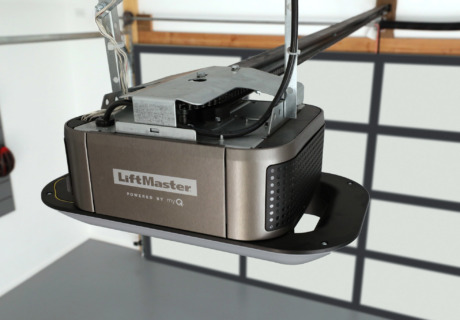
. A dependable garage door opener is more than a convenience—it’s a key part of your home’s daily routine and security. When an opener hesitates, reverses unexpectedly, grinds, or stops responding, it can leave your vehicle trapped or your garage unsecured. If you’re searching for garage door opener repair in Sacramento, California, Garage Door Doctor’z is ready to help with accurate troubleshooting, professional repairs, and clear recommendations. We also provide garage door opener installation for homeowners who want quieter operation, better safety features, and smart controls. In this guide, we’ll cover the most common opener problems, what causes them, how a technician diagnoses the issue, and when replacement makes more sense than repair. You’ll also find safety reminders and maintenance tips to help your opener last longer. Why Garage Door Opener Problems Happen Garage door opener systems rely on several components working together. When one part fails—or the door itself becomes difficult to lift—the opener can start acting unpredictably. Most garage door openers include: Motor unit Drive system (belt, chain, or screw drive) Rail/trolley and arm connection to the door Safety sensors (photo eyes) near the floor Wall control and remotes (or keypad) Wiring, logic board, and internal gears Limit and force settings that control travel and resistance A problem in any of these areas can cause grinding, reversing, or a complete loss of response. The good news is that an experienced technician can usually diagnose the issue quickly. Top Signs You Need Garage Door Opener Repair If you notice any of the issues below, it’s time to schedule garage door opener service. 1) The opener won’t respond If the wall button and remotes do nothing, the problem may be power-related. Common causes include a tripped outlet or GFCI, a faulty logic board, or a wiring issue. 2) The opener runs, but the door doesn’t move This often happens when the trolley is disengaged. It can also point to stripped internal gears or a door that’s too heavy due to spring problems. A technician will check both the opener and the door balance. 3) The door reverses before closing Misaligned safety sensors, dirty lenses, sunlight interference, or incorrect force settings can trigger an early reversal. We verify sensor alignment, clean and secure the mounts, and test the closing force. 4) Grinding, clicking, or squealing sounds Unusual noises can signal worn gears, a loose chain, a failing motor, or general hardware vibration. Belt-drive units are typically the quietest, while chain drives may get louder if they’re not properly adjusted. 5) Intermittent operation If the opener works sometimes but not consistently, it could be a weak remote battery, signal interference, an overheating motor, or a failing circuit board. We test controls, range, and key components to pinpoint the cause. 6) The opener light blinks or shows an error code Many modern garage door openers use diagnostic blink patterns or error codes. We interpret these indicators to narrow down the fault faster. What We Check During Garage Door Opener Troubleshooting When Garage Door Doctor’z arrives for garage door opener repair in Sacramento, California, we follow a methodical process to diagnose the issue and recommend the safest fix. Confirm power and inspect outlet/GFCI conditions Inspect safety sensors for alignment, stable mounting, and wiring integrity Test wall button, remotes, keypad, and learned codes Inspect the rail, trolley, and arm connection points Check opener settings (travel limits and force) Evaluate the door itself (rollers, hinges, tracks, and spring balance) Why door balance matters: If the garage door is heavy due to a failing spring, the opener has to lift more than it’s designed for. That extra strain can burn out the motor, strip gears, and cause repeated reversals. We flag balance issues right away to help you avoid repeat repairs. Common Garage Door Opener Repairs We Perform Based on what we find during troubleshooting, repairs may include: Safety sensor adjustment or replacement Remote/keypad reprogramming and receiver checks Gear and sprocket replacement (common on older units) Circuit board/logic board replacement Chain or belt adjustment and lubrication (when appropriate) Limit and force recalibration Repair of damaged low-voltage wiring Replacement of worn trolley components When Garage Door Opener Installation Makes More Sense In some cases, repair isn’t the most cost-effective long-term option—especially if the opener is older, has repeated failures, or lacks modern safety and security features. Consider garage door opener installation if: Your opener is 10–15+ years old and parts are starting to fail The motor strains due to door weight or age-related wear You want quieter performance (a belt-drive upgrade) You want smart controls (phone app, alerts, remote monitoring) You want enhanced security (rolling code technology) Your existing unit doesn’t include modern safety features A new opener can improve reliability, reduce noise, and add everyday convenience—especially for busy households. Choosing the Right Garage Door Opener for Your Sacramento Home Not all openers are the same. The right choice depends on your garage layout, door type, and the features you want most. Belt drive Quietest option Ideal for garages near bedrooms or living spaces Smooth performance with less vibration Chain drive Strong and budget-friendly Typically noisier than belt drives Great for detached garages or where noise is less of a concern Screw drive (less common today) Fewer moving parts, but can be sensitive to temperature changes Noise level varies by model Motor power We size opener power to your door type (single vs. double, steel vs. insulated, and custom doors). With proper spring balance, the opener can run smoothly without unnecessary strain. Smart features Many homeowners in Sacramento, California, appreciate features such as: App control and door status alerts Guest access schedules Battery backup (helpful during outages) LED lighting and motion detection Safety Warnings: What Not to Do Garage door opener issues can look simple, but certain “quick fixes” create serious safety risks. Don’t increase force settings to “muscle through” a problem. If the door is binding or heavy, this can cause damage or injury. Don’t disconnect safety sensors permanently. They are required safety devices. Don’t attempt
Garage Door Opener Repair in Lincoln, California
Garage Door Doctor’z provides garage door opener repair and garage door opener installation in Lincoln, California. From sensor issues to travel limits and failing motors, we diagnose the problem and restore safe, reliable operation. Call (833) 991-3899.
Garage Door Spring Repair in Sacramento, California: Fast Help for a Broken Garage Door Spring
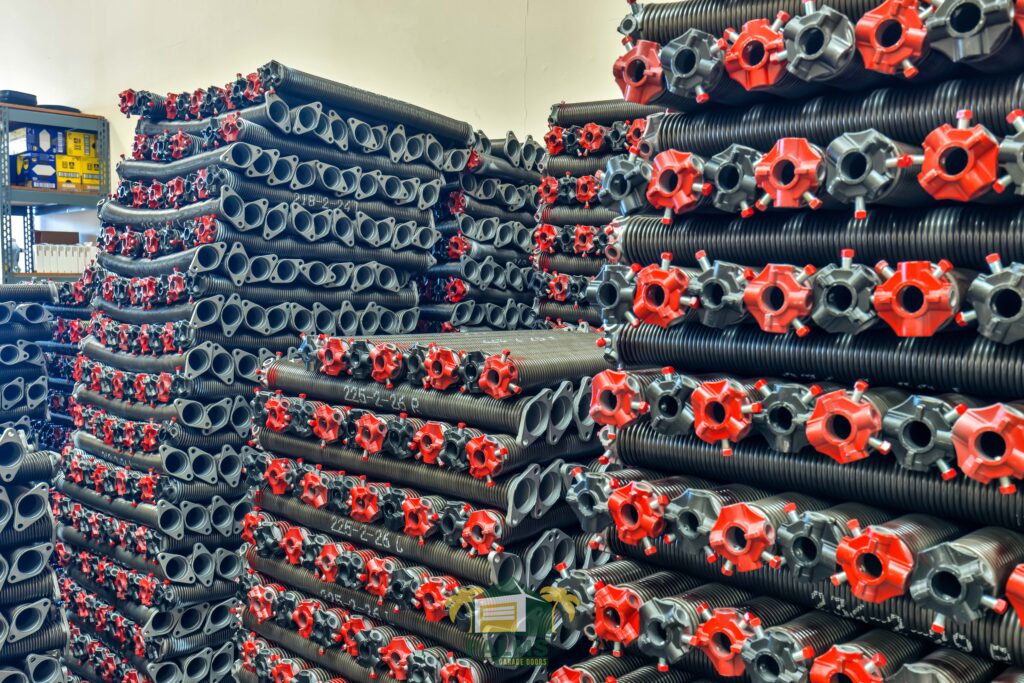
. When your garage door suddenly feels impossibly heavy, only opens a few inches, or slams shut, a broken spring is one of the most likely causes. Garage door springs do the heavy lifting, and when they fail, the door can become unsafe and unreliable in an instant. If you need garage door spring repair in Sacramento, California, Garage Door Doctor’z is ready to help with safe, professional service that restores smooth, balanced operation. This guide explains what springs do, the most common signs of failure, why spring work isn’t a DIY project, and what to expect from a professional repair. Why Garage Door Springs Matter A typical residential garage door can weigh anywhere from 150 to 400+ pounds depending on size, insulation, and construction. Springs—either torsion springs above the door or extension springs along the tracks—counterbalance that weight so the door can open and close with minimal effort. When springs are correctly sized and in good condition, you’ll typically notice: The door lifts smoothly with one hand when disconnected from the opener. The opener doesn’t strain or stall. Cables stay properly tensioned on the drums. The door remains stable at mid-travel. When a spring breaks, the counterbalance disappears. The opener may still try to lift the door, but it’s not designed to do that heavy work alone. Forcing operation can damage the opener, bend tracks, fray cables, or cause the door to drop unexpectedly. Common Signs of a Broken Garage Door Spring A broken spring can be obvious or subtle depending on the type of spring system. In Sacramento homes, customers often call after noticing one or more of the symptoms below. 1) A Loud Bang from the Garage Many homeowners report hearing a sharp “pop” or “bang.” That sound is often the spring snapping under tension. 2) The Door Won’t Open (or Only Opens a Few Inches) This is one of the most common signs. The opener senses excessive resistance and stops for safety. 3) The Garage Door Feels Extremely Heavy If you pull the emergency release and the door feels unusually heavy, the spring likely isn’t supporting the door’s weight. 4) Crooked or Uneven Door Movement With some setups, one spring or one side fails first. The door may lift unevenly or appear stuck on one side. 5) A Visible Gap in a Torsion Spring Torsion springs usually show a clear separation when broken—often a 2–4 inch gap in the coil. 6) Loose Cables or Cables Off the Drum If a spring breaks while the door is moving, cables can lose tension and slip out of position. If you notice any of these symptoms, it’s safest to stop using the door and schedule garage door spring repair right away. Torsion Springs vs. Extension Springs Knowing which spring system you have helps explain the repair process and what’s involved in restoring safe operation. Torsion Spring Systems Mounted above the garage door opening on a metal shaft Use cable drums at the ends of the shaft Provide smoother balance and longer life when properly sized When one torsion spring breaks, many doors become completely inoperable Extension Spring Systems Mounted along the horizontal track area (one on each side) Stretch and contract as the door moves Should always include safety cables running through the springs Often found on older doors Garage Door Doctor’z services both systems and ensures the replacement spring(s) match your door weight and hardware. Why DIY Garage Door Spring Replacement Is Risky Online videos can make spring replacement look simple, but springs store a large amount of energy. The wrong tools, poor technique, or incorrect spring sizing can lead to serious injury or property damage. Professional garage door spring repair typically includes: Secure door positioning and track clamping Correct winding bars and safe tensioning procedures (torsion systems) Proper cable tension and drum alignment Inspection of shafts, bearings, rollers, hinges, and end bearing plates Door balance testing and opener force verification If you’re dealing with a broken garage door spring, the safest choice is to call trained garage door technicians who do this work routinely. What to Expect from Garage Door Spring Repair in Sacramento, California When Garage Door Doctor’z comes out for garage door spring repair in Sacramento, California, the goal is to restore safe, reliable operation and help prevent the next failure. Step 1: Diagnose the Full System A spring rarely fails in isolation. We inspect related components, including: Lift cables and bottom brackets Center bearing and end bearings Torsion tube/shaft condition Drums and set screws Rollers and hinges Track alignment and mounting Opener performance and settings Step 2: Confirm Correct Spring Sizing The right spring depends on door weight, height, track radius, drum type, and cycle rating. Incorrect springs can create multiple issues, such as poor door balance or extra wear on other components. When springs aren’t properly sized, they can: Make the door too heavy or too “hot” (shooting up) Wear out the opener Cause cables to jump the drums Reduce spring life Step 3: Replace Springs (Often in Pairs) If your door uses two torsion springs, replacing both at once is often recommended. Springs installed together typically wear at a similar rate, and replacing only one can lead to a second failure soon after. Step 4: Balance and Safety Testing We test the door’s balance at multiple positions to confirm it stays stable. Then we verify the opener reverses properly and doesn’t strain during operation. Step 5: Final Check and Maintenance Tips Before we wrap up, we’ll point out any worn parts we find and share practical maintenance steps that can help extend the life of your garage door system. How Long Do Garage Door Springs Last? Spring life is measured in cycles (one open and one close). Many builder-grade springs are rated around 10,000 cycles, while upgraded options can extend life significantly depending on usage. In busy Sacramento households where the garage is the main entry point, cycles add up quickly. If your door is used 6–10 times per day, standard
Garage Door Repair in Sacramento, California: Reliable Garage Door Service for Safe, Smooth Operation
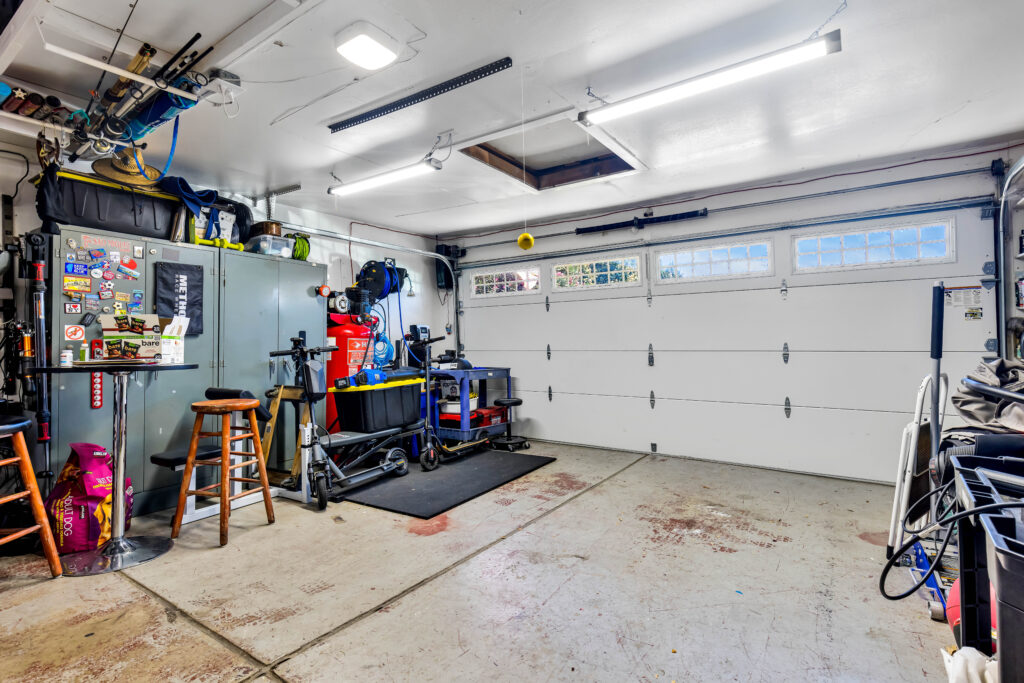
. A garage door is one of the largest moving parts in your home. When it starts sticking, grinding, or refusing to open, it becomes more than an inconvenience—it can quickly turn into a safety and security concern. If you need dependable garage door repair in Sacramento, California, Garage Door Doctor’z provides professional garage door service to restore smooth, quiet operation and help prevent future breakdowns. In many homes, the garage is a busy space with storage cabinets, tools, and equipment close to the door. Overhead sectional garage doors rely on properly aligned tracks, healthy springs, and working hardware. In real garages like this, small issues—such as a loose hinge, an off-balance door, or worn rollers—can grow into bigger problems when ignored. Below, we’ll cover common garage door problems, what causes them, and how our technicians address them in Sacramento. Why Timely Garage Door Repair Matters Many homeowners wait until the door fully fails—when the car is trapped inside or the door won’t close at night. In most cases, garage door systems show warning signs long before they become emergencies. Watch for these early symptoms: The door feels heavy when lifting manually Jerky or uneven movement while opening or closing Loud squeaking, popping, or grinding noises The door stops midway or reverses unexpectedly Gaps at the bottom seal or uneven closing Visible wear on hinges, rollers, cables, or track Scheduling garage door repair early can help prevent more extensive damage to panels, tracks, openers, and key hardware. Common Garage Door Problems We Fix in Sacramento, CA Garage Door Doctor’z handles a wide range of garage door service calls. While every door and setup is different, these are the issues we see most often in Sacramento, California. Door Won’t Open or Close Reliably If the door won’t move consistently, the cause could be an opener issue, misaligned sensors, a broken spring, or a door that has slipped off track. We inspect the entire system—not just the most obvious symptom—so the repair is built to last. Noisy Garage Door Operation A noisy garage door often points to worn rollers, loose hinges, dry bearings, or track alignment issues. In some cases, the door is out of balance, which strains the opener and increases noise over time. Our garage door repair process focuses on correcting the root problem, not just reducing the sound. Uneven or Crooked Door Movement When one side of the door moves faster than the other, the issue may involve cables, drums, track alignment, or worn hardware. Uneven movement can cause binding and lead to additional damage if it isn’t corrected quickly. Track and Roller Issues Garage door tracks can bend from impact, shifting mounts, or long-term vibration. Rollers may crack, wear flat, or seize. If your door is rubbing, wobbling, or sticking, a track-and-roller inspection is a key part of effective garage door service. Weather Seal Damage and Closing Gaps Sacramento’s seasonal changes can expose worn bottom seals and perimeter weatherstripping. Even small gaps can allow pests, dust, and moisture into the garage. If your door doesn’t sit evenly on the ground or the seal is brittle, we can recommend and install the right replacement as part of your garage door repair. Our Garage Door Service Process A quality repair involves more than swapping a part. At Garage Door Doctor’z, our technicians focus on safety, correct setup, and long-term reliability. Step 1: System Inspection and Safety Check We inspect key components to identify what’s causing the issue and what may fail next: Door balance and travel Tracks, rollers, and hinges Springs, cables, drums, and bearing plates Mounting brackets and fasteners Opener connection points and rail alignment Photo-eye sensors and force settings (when applicable) Step 2: Clear Diagnosis and Repair Options After inspection, we explain what’s failing, why it happened, and your options. Some homeowners want a minimal repair, while others prefer a proactive approach to reduce the chances of another issue in a few months. We’ll help you choose the best solution based on how you use your door and your budget. Step 3: Professional Repair and Adjustments Depending on what we find, typical garage door repairs may include: Replacing worn rollers or hinges Track realignment and bracket reinforcement Hardware tightening and tune-up Cable and drum correction (when needed) Door balance adjustments Step 4: Testing and Preventative Recommendations We cycle the door multiple times to confirm smooth motion, proper alignment, and safe operation. Before we leave, we also share practical maintenance tips tailored to your door and setup. DIY vs. Professional Garage Door Repair It’s understandable to want to troubleshoot a noisy or unreliable door—especially if you already keep tools in the garage. Simple steps like cleaning the tracks, keeping the area clear, and checking for obvious loose bolts can help. However, we strongly recommend leaving these tasks to trained professionals: Spring-related work Cable adjustments Off-track doors under tension Major track corrections Opener force and travel settings (if you’re unsure) Garage doors are heavy, and the components that counterbalance the weight can be dangerous without the right tools and experience. Preventing Future Breakdowns with Simple Maintenance A little routine care can extend the life of your garage door system and reduce the risk of emergency calls. Helpful habits include: Keep the track area clean and free of stored items Listen for new sounds like squeals, pops, or grinding Test door balance periodically (with the opener disconnected) Visually inspect rollers, hinges, and cables for wear Replace worn weather seals to help keep debris out If you’d rather not worry about maintenance, scheduling periodic garage door service can catch issues early and help avoid unexpected failures. Why Sacramento Homeowners Choose Garage Door Doctor’z When you need garage door repair in Sacramento, California, you want a team that arrives prepared, communicates clearly, and fixes the issue the right way. Garage Door Doctor’z is committed to: Professional troubleshooting and accurate diagnosis Quality parts and proper adjustments Clean, safe workmanship Honest recommendations based on your door’s condition Schedule Garage Door Repair in Sacramento, California
Garage Door Opener Repair in Sacramento, California: Fast Fixes & Reliable Installation
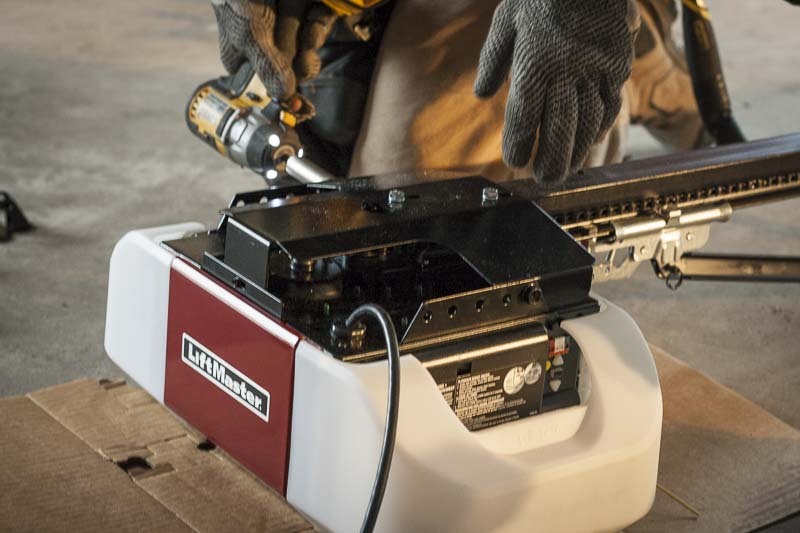
. Garage Door Opener Repair in Sacramento, California: Troubleshooting, Repairs, and Replacement Options A garage door opener is one of the most-used machines in your home—until it suddenly stops working, starts grinding loudly, or refuses to open when you’re already running late. If you’re searching for garage door opener repair in Sacramento, California, Garage Door Doctor’z is ready to help with accurate diagnostics, safe repairs, and dependable upgrades when replacement makes more sense. This guide covers the most common opener problems, what you can safely check yourself, when to call a professional, and how to choose the right solution for your home. You’ll also learn what to expect during a service call and how regular maintenance can prevent frustrating (and costly) emergencies. Why Garage Door Openers Fail (And Why It’s Not Always the Opener) It’s easy to assume the opener motor is the problem, but garage doors work as a complete system. Your opener relies on rollers, tracks, springs, safety sensors, wall controls, remotes, and the door’s balance to operate smoothly. When any part of the system is out of alignment or worn, it can look like the opener is failing—even when the real issue is elsewhere. Poor door balance: Often caused by worn springs, an unbalanced door can overload the opener and cause it to strain, stall, or shut down. Misaligned safety sensors: If the photo-eyes aren’t aligned, the door may refuse to close. Loose hardware or worn rollers: Vibration, rattling, and loud operation can sound like opener trouble when the issue is mechanical. That’s why our garage door opener repair process starts with a full system inspection—so you don’t pay for a “fix” that doesn’t address the real cause. Common Signs You Need Garage Door Opener Repair If you notice any of the issues below, it’s a strong sign you should schedule garage door opener service. The Opener Runs, but the Door Doesn’t Move This problem often points to a disengaged trolley, a broken inner carriage, a stripped drive gear, or a door that’s physically jammed. The Door Reverses Before Closing In Sacramento, California, dusty sensor lenses, bumped sensor brackets, or track issues commonly trigger safety reversal. Incorrect force settings—especially after a DIY adjustment—can also cause the door to reverse unexpectedly. The Opener Is Loud, Grinding, or Clicking Chain, belt, and screw-drive systems each have their own sound profile, but sudden grinding, clicking, or popping isn’t normal. These symptoms may indicate worn gears, a damaged sprocket, or a failing motor capacitor. The Remote or Keypad Works Intermittently Intermittent operation can be caused by weak batteries, antenna problems, radio interference, or a failing logic board. The Wall Button Works, but Remotes Don’t This is often a programming issue, but it can also happen when the opener is in lock/vacation mode. The Opener Lights Flash and Nothing Happens Many openers use diagnostic light flashes to signal issues like sensor faults, travel limit errors, or other internal malfunctions. What You Can Safely Check Before Calling a Technician A few quick checks can save time and help you describe the issue more clearly when you call for service. Check power: Confirm the opener is plugged in and the outlet works. Replace remote batteries: It’s simple, but often overlooked. Inspect safety sensors: Make sure the photo-eyes face each other, the lenses are clean, and indicator lights are steady. Check the manual release: Confirm the trolley is engaged. Try the wall control: If the wall button works, the issue may be remote or keypad programming. If the door feels extremely heavy to lift by hand, stop immediately. This can indicate a spring issue, and the opener should never be used to “muscle” a heavy door. Professional Garage Door Opener Repair: What We Do When you call Garage Door Doctor’z for garage door opener repair in Sacramento, California, our goal is to restore safe, reliable performance—not provide a temporary adjustment that fails again a few weeks later. Our service commonly includes: Diagnostic testing: sensors, travel limits, force settings, and logic board signals Drive system inspection: chain/belt tension, sprockets, carriage and trolley wear Gear and sprocket service (where applicable) Mounting and rail alignment: reducing vibration and premature wear Wiring and control checks: wall button, safety eyes, and connections Door balance test: ensuring the opener isn’t being overloaded When Garage Door Opener Installation Is the Better Option In some cases, repair isn’t the most cost-effective solution—especially if the unit is older, parts are discontinued, or the opener lacks modern safety and security features. Consider garage door opener installation when: The opener is 10–15+ years old and has frequent issues Major components are worn (motor, logic board, gear assembly) and repair costs are high You want a quieter upgrade (belt drive is a popular choice) You want smart features like Wi-Fi control, smartphone alerts, and scheduling You want improved security with rolling-code technology and more secure remotes A modern opener can noticeably reduce noise and improve reliability, especially for garages located near bedrooms or living spaces. How to Choose the Right Garage Door Opener for Your Sacramento Home Not every opener is a good match for every door. Door size, door weight, how often you use the garage, and your ceiling setup all matter. Key Features to Consider Drive type: Belt drive: quiet and smooth, great for attached garages Chain drive: durable and cost-effective, but slightly noisier Wall-mount (jackshaft): frees ceiling space, ideal for high ceilings or storage lifts Motor strength (HP equivalents): heavier doors typically require more lifting power Smart connectivity: control and monitor your door from your phone Battery backup: keeps access during power outages Lighting: LED and motion-activated lighting improves visibility During a consultation, Garage Door Doctor’z can recommend the best opener based on your door’s weight, layout, and household needs. How a Garage Door Opener Installation Works A professional garage door opener installation is more than swapping the motor. The goal is a properly aligned system with correct settings and safe performance. Typical installation steps include: Confirming door balance and inspecting track condition
Garage Door Repair in Lincoln, California
Garage Door Doctor’z offers reliable garage door repair in Lincoln, CA, including overhead garage door repair for noisy, uneven, or stuck doors. Call (833) 991-3899 or visit garagedoordoctorz.com to schedule service.