
Garage Door Repair in Sacramento, California: Maintenance Tips to Prevent Costly Breakdowns
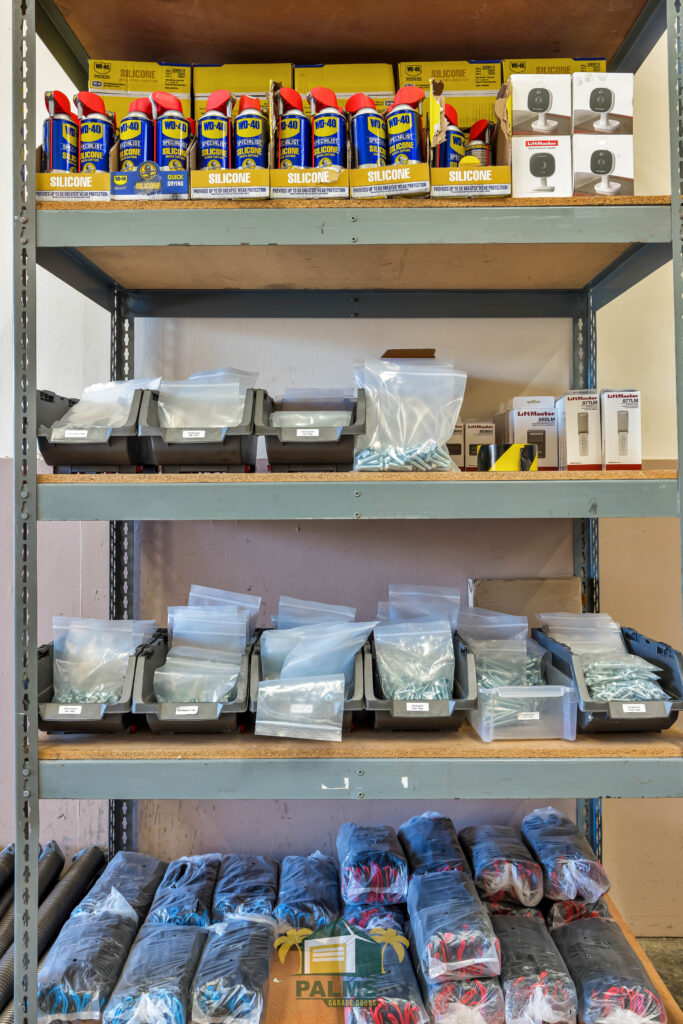
. When your garage door is working properly, it’s easy to forget how many moving parts are involved. Rollers, hinges, cables, tracks, sensors, and the opener all have to work together smoothly. The moment something sticks, squeals, or stops moving, it becomes both a safety concern and a major inconvenience. For homeowners and businesses searching for dependable garage door repair in Sacramento, California, the best approach is simple: respond quickly when problems show up and stay consistent with garage door maintenance to prevent unexpected breakdowns. At Garage Door Doctor’z, our service trucks are stocked with common parts and professional lubricants because most garage door problems don’t start as major failures. They usually begin as small issues that get worse over time. By recognizing early warning signs, understanding the value of tune-ups, and knowing when to call a trained technician, you can keep your door quieter, safer, and more reliable year-round. Why Garage Door Repairs Become Urgent So Quickly A typical residential garage door can weigh anywhere from 130 to 400+ pounds, depending on its size and construction. Springs and cables make that weight feel “light” during operation. When even one component wears out, the door can become unsafe, get stuck open (creating a security risk), or stop working altogether. Common reasons people request garage door repair in Sacramento, California include: The door won’t open or close consistently Loud grinding, squeaking, or popping noises Uneven movement or a crooked door The opener runs, but the door doesn’t move Remote or wall button issues (intermittent operation) The door reverses unexpectedly or stops mid-travel Visible wear on rollers, hinges, cables, or tracks Many of these symptoms can be traced back to neglected garage door maintenance. Dust, temperature changes, and daily use all contribute to gradual wear. What Prepared Technicians and Proper Maintenance Really Mean A well-stocked service setup—complete with silicone lubricant and common garage door hardware—highlights an important point: the right products and parts matter. Garage door maintenance isn’t just spraying lubricant and hoping for the best. It’s a careful process that improves performance and reduces wear. Proper maintenance includes using the correct lubricant for metal-to-metal contact points, checking fasteners, inspecting rollers and hinges, and testing door balance and safety features. When a technician arrives prepared, repairs and tune-ups go faster, and the chance of needing a second trip drops. Top Garage Door Problems We Fix (and How Maintenance Helps) 1) Noisy Garage Door Operation Noise often comes from dry rollers, worn bearings, loose hinges, or metal-on-metal friction where it shouldn’t happen. Lubrication is a key part of garage door maintenance, but it must be done correctly to help—not harm—your system. What helps: Use a garage-rated silicone or lithium-based lubricant (not heavy grease) Lubricate rollers (if applicable), hinges, and springs lightly Tighten loose hardware and inspect for worn parts If you hear a sharp bang or the door suddenly feels heavy, stop using it and schedule garage door repair. These are common signs of a spring issue. 2) Door Opens Partway and Then Stops This problem is often linked to: Obstructions or track misalignment Opener force settings that are out of adjustment Worn rollers or binding Photo-eye sensor misalignment A maintenance-and-repair approach typically includes: Cleaning photo eyes and confirming alignment Checking tracks for dents or debris Inspecting rollers for flat spots, wobble, or excessive wear 3) Uneven or Crooked Door Movement If one side lifts faster or the door looks tilted, the issue may involve cables, drums, or track alignment. This is not a DIY situation. Cables are under tension and can fail suddenly. Garage Door Doctor’z provides garage door repair in Sacramento, California with detailed inspection of cable condition, drum alignment, and overall door balance. 4) Garage Door Reverses for No Clear Reason Modern openers are designed to reverse if they sense resistance or if sensors detect an obstruction. Common causes include: Dirty or misaligned sensors Track friction Incorrect travel limits An unbalanced door (the spring system isn’t properly supporting the weight) Routine garage door maintenance includes testing the safety reversal system, cleaning sensors, and verifying smooth travel. 5) Loose Hardware and Excessive Vibration Garage doors vibrate with every cycle. Over time, bolts and brackets can loosen, increasing wear and causing misalignment. Maintenance tasks often include: Checking and tightening hinges and brackets Inspecting track mounting points Looking for cracked hinges or worn pivot points A Simple Garage Door Maintenance Checklist (Homeowner-Friendly) Some maintenance tasks are safe for most homeowners, while others should always be handled by trained professionals. Use this practical checklist monthly or quarterly to catch issues early. Safe DIY Checks Visual inspection: Look for frayed cables, bent tracks, loose bolts, and worn rollers. Clean photo-eye sensors: Wipe with a soft cloth and confirm alignment. Listen for changes: New squeaks, grinding, or popping sounds should be checked. Test auto-reverse: With the door closing, place a 2×4 flat under the door (follow manufacturer guidelines). The door should reverse on contact. Maintenance Best Left to Technicians Spring adjustments or spring replacement Cable replacement or drum adjustments Track realignment when the door is binding Opener force/travel setting calibration (especially if door balance is off) If you’re unsure, it’s safer to schedule professional garage door repair in Sacramento, California rather than risk injury or make the damage worse. How Professional Garage Door Service Saves You Money Garage door failures often cascade—one worn component can put strain on others. Addressing small problems early helps you avoid bigger, more expensive repairs later. Worn rollers create resistance → opener strains → gears wear out Loose hinges cause door sections to flex → track alignment issues → door jams Poor lubrication increases friction → parts wear faster and noise increases Regular garage door maintenance reduces these chain reactions. When maintenance is paired with timely repairs, most systems last longer and run more quietly. What to Expect When You Call Garage Door Doctor’z When you contact Garage Door Doctor’z for garage door repair in Sacramento, California, our process stays focused on safety and long-term reliability: Full door and opener
Garage Door Repair in Sacramento, California: Reliable Garage Door Service for Smooth, Safe Operation
. Garage Door Repair in Sacramento, California: Signs, Causes, and What to Expect A garage door is one of the most-used moving systems in any home. When it starts to stick, shake, get noisy, or refuse to open and close consistently, it’s more than an inconvenience—it becomes a safety and security concern. If you’re looking for dependable garage door repair in Sacramento, California, Garage Door Doctor’z provides professional garage door service designed to restore smooth, quiet operation and help prevent repeat problems. Below, you’ll find common garage door issues, what causes them, when to call a pro, and what to expect during a service visit—so you can make an informed decision and get your door running right. Why Timely Garage Door Repair Matters Many homeowners wait until the garage door stops working completely. The downside is that a small issue—like a loose hinge or a worn roller—can quickly become a larger failure that strains other components. Timely garage door repair can help you: Reduce wear on springs, cables, bearings, rollers, and tracks Improve safety by correcting misalignment and unstable movement Protect your opener from overload and premature burnout Improve home security by ensuring the door fully closes and latches Restore convenience and reduce noise If your door feels “off,” it’s usually easier and more affordable to fix early than after a full breakdown. Common Signs You Need Garage Door Service Garage door systems usually give warning signs before they fail. If you notice any of the issues below, it’s time to schedule garage door service. 1) Loud or New Noises Grinding, scraping, popping, or squealing can point to worn rollers, loose hardware, track problems, or a lack of lubrication. When a door suddenly gets louder, it’s often under extra stress. 2) The Door Feels Heavy or Moves Unevenly If the door feels heavier than usual, spring wear, cable issues, or track binding may be the cause. Uneven movement can also mean the door is off-balance. 3) The Door Won’t Close All the Way This problem is often caused by misaligned photo-eye sensors, an obstruction, track issues, or opener force/limit settings that need adjustment. 4) The Door Reverses Unexpectedly A reversing door is a safety feature working as intended, but it can also indicate misaligned sensors, a binding track, or resistance the opener is detecting. 5) Visible Gaps, Frayed Cables, or Bent Tracks Frayed lifting cables and damaged tracks can become dangerous quickly. If you notice visible damage, avoid using the door until it’s inspected. 6) The Remote or Wall Button Works Inconsistently Intermittent control issues can involve the opener, wiring, logic board, safety sensors, or radio receiver. A professional inspection helps pinpoint the real cause. What Causes Garage Door Problems in Sacramento Homes? In Sacramento, garage doors deal with frequent daily use, temperature swings, dust, and general wear over time. Most service calls typically come down to a few common causes. Normal wear on rollers, hinges, bearings, and cables Loose hardware from vibration and repeated cycles Track misalignment from minor impacts or settling Lack of lubrication on moving parts Opener strain caused by an unbalanced or binding door Weather-related changes affecting door alignment and seals The good news is that most of these issues can be corrected with professional garage door repair and routine maintenance. What a Professional Garage Door Repair Visit Typically Includes When you call Garage Door Doctor’z for garage door repair in Sacramento, California, a quality service appointment should involve a system-level inspection—not just a quick patch. Our garage door service approach focuses on safety, reliability, and long-term performance. A typical visit may include: Visual inspection of door sections, hinges, rollers, and hardware Track alignment check and correction if needed Door balance test to confirm springs and opener aren’t being overworked Cable inspection for wear, fraying, and proper seating on drums Roller and bearing check for wear and smooth movement Opener assessment (rail, trolley, chain/belt tension, force/limits) Sensor inspection and alignment Tightening of loose bolts and brackets (where appropriate) Lubrication of key moving points with proper garage-door lubricant If parts are worn or unsafe, we’ll recommend the right repair path based on your door type, usage, and overall condition. Garage Door Repair vs. Replacement: How to Decide It’s common to wonder whether you should repair the current system or replace it. In many cases, garage door repair is the best option when the structure is still in good shape and the problem is limited to serviceable components. Repair Is Usually Best When: The door panels are in good condition The issue is limited to wear parts (rollers, hinges, sensors, track alignment) The opener is still in good working order and properly matched to the door You want a cost-effective way to restore dependable performance Replacement Often Makes More Sense When: The door has extensive panel damage or major structural issues The system is severely outdated and repairs are becoming frequent You want improved insulation, quieter operation, or an updated look Even if replacement is on your horizon, a repair can still be worthwhile to keep the door safe and functional in the meantime. DIY Caution: What to Avoid Some light maintenance—like keeping the track area clear and using proper lubricant—can be homeowner-friendly. However, certain garage door repairs are not safe to do yourself. Avoid attempting: Spring work (torsion or extension springs are under extreme tension) Cable replacement or drum adjustments Major track resets or door re-hanging Opener force adjustments without diagnosing the source of resistance If your door is stuck open or half-open, secure the area and call a professional. A door that’s off-track or out of balance can fall or shift unexpectedly. How to Prevent Future Garage Door Breakdowns The best way to reduce emergency calls is proactive garage door service. A simple maintenance routine can extend the life of your system and help keep it running smoothly. Helpful habits include: Listen for changes in sound—new noises often point to new problems Keep the track area clean (avoid greases that attract debris) Lubricate rollers (if
Garage Door Opener Repair in Sacramento, California: Fast, Safe Fixes for Noisy or Unresponsive Openers
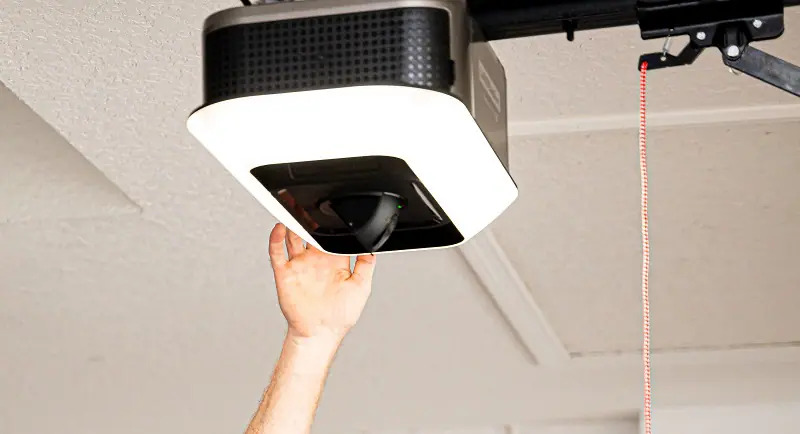
. Garage Door Opener Repair in Sacramento, California: Fast, Safe, Reliable Service A garage door opener that won’t respond, makes grinding noises, or stops halfway is more than an inconvenience—it can become a safety hazard and a security risk. If you’re looking for dependable garage door opener repair in Sacramento, California, Garage Door Doctor’z is ready to help with prompt diagnostics, reliable parts, and professional workmanship. Our goal is simple: restore safe, smooth operation and reduce the chance of repeat breakdowns. How This Guide Helps You Troubleshoot Opener Problems Below, we’ll cover the most common garage door opener issues, why they happen, what you can safely check at home, and when it’s time to call for professional garage door service. Whether your opener is chain-driven, belt-driven, screw-driven, or a wall-mounted jackshaft unit, the troubleshooting concepts are similar. That said, lasting repairs require the right tools, correct parts, and experience—especially when safety systems or heavy door hardware are involved. Why Garage Door Opener Problems Happen Your garage door opener is a connected system of electronics, moving parts, and safety components that must work in sync with the garage door itself. When something fails, the symptom you notice—such as reversing, clicking, humming, or not opening—can come from several places. The opener head unit (logic board, capacitor, motor) The drive mechanism (chain/belt, sprockets, gears) Safety sensors (photo eyes, wiring) Controls (wall button, remote, keypad, Wi‑Fi module) Power supply (outlet, GFCI, breakers) The garage door hardware (springs, rollers, tracks), which can overload the opener A proper service call doesn’t just “get it moving.” It identifies the root cause so the repair lasts. Common Signs You Need Garage Door Opener Repair Sacramento homeowners often call for help when they notice one or more of the issues below. Catching these signs early can prevent a more expensive failure later. The opener runs but the door doesn’t move This often points to a stripped drive gear, a disconnected trolley, or another internal failure. If the motor sounds normal but the door stays in place, a technician can inspect the gear assembly and engagement mechanism. The door starts down, then reverses Reversing is commonly caused by misaligned photo-eye sensors, sun glare, dirty sensor lenses, or resistance in the tracks and rollers. In some cases, the opener’s force settings may be reacting to an unbalanced door. The opener clicks but won’t run Clicking can signal a failing logic board, a faulty capacitor, or a motor issue. It can also be as simple as a power interruption, which is why safe checks are worth doing first. Remote or keypad works only sometimes Intermittent control issues are often tied to weak batteries, signal interference, antenna problems, or a receiver/board issue. Keypads may also fail due to worn buttons or moisture exposure. Loud grinding, rattling, or squealing noises Unusual noise can indicate worn sprockets, loose mounting hardware, a dry chain, damaged bearings, or a failing gear kit. Addressing these sounds early can help you avoid a complete breakdown. The door stops halfway or struggles to move If the opener strains, the real problem may be in the garage door hardware—such as roller wear, track alignment issues, or failing springs. An opener is not designed to lift a door with a broken spring or severe friction. Safe Checks to Try Before Calling a Garage Door Technician If your garage door opener isn’t working properly, these quick steps can help rule out simple problems. They’re low-risk and don’t require tools in most cases. Check the power: Make sure the opener is plugged in. If the outlet is controlled by a wall switch, confirm it’s on. Check the breaker or GFCI and reset if needed. Inspect the photo eyes: Gently wipe the lenses and confirm both sensors face each other. A steady indicator light typically signals proper alignment. Test the wall button: If the wall control works but remotes do not, the issue may be with the remote, keypad, receiver, or programming. Replace remote batteries: It’s simple, inexpensive, and often fixes the issue immediately. Use the emergency release (carefully): With the door closed, disconnect the door from the opener and lift the door manually. It should move smoothly and stay about halfway open. If it feels heavy, slams down, or won’t stay open, the door is likely out of balance (often a spring problem). Stop and call a professional. Important: Do not attempt to adjust torsion springs, cables, or opener force settings without training. These components can cause serious injury and can also lead to further damage if adjusted incorrectly. What Professionals Check During Garage Door Opener Repair When Garage Door Doctor’z provides garage door opener repair in Sacramento, California, we inspect both the opener and the door system. This helps ensure the opener isn’t being forced to compensate for a door that needs separate service. Opener diagnostics may include: Motor health and operating temperature Logic board condition and wiring inspection Capacitor testing (where applicable) Travel limits and force settings verification Gear and sprocket wear evaluation Chain/belt tension and lubrication needs Rail alignment and trolley operation Safety sensor alignment and continuity testing Door system checks may include: Door balance test (spring performance) Roller and hinge wear Track alignment and fastener tightness Binding points and friction sources Garage Door Opener Repair vs. Replacement: What’s Best? Not every opener problem requires a full replacement. Many issues can be resolved with targeted repairs, such as replacing a gear kit, sensors, a wall control, or a logic board. However, replacement may be the smarter long-term option when: The opener is older and lacks modern safety or security features Multiple components are failing at the same time The motor is weak and the door is heavy You want quieter performance (belt drive) or a space-saving design (jackshaft) If replacement is recommended, we’ll explain why and provide options that match your door size, daily usage, and budget. How to Prevent Future Garage Door Opener Breakdowns Regular garage door service is one of the best ways to avoid sudden failures. A
Garage Door Opener Repair in Lincoln, California
Garage door opener not working in Lincoln, CA? Garage Door Doctor’z provides expert diagnostics and reliable repairs, including sensor alignment, limit settings, and full system checks. Call (833) 991-3899 or visit garagedoordoctorz.com to schedule service.
Garage Door Installation in Sacramento, California: What to Expect From a New Door Install
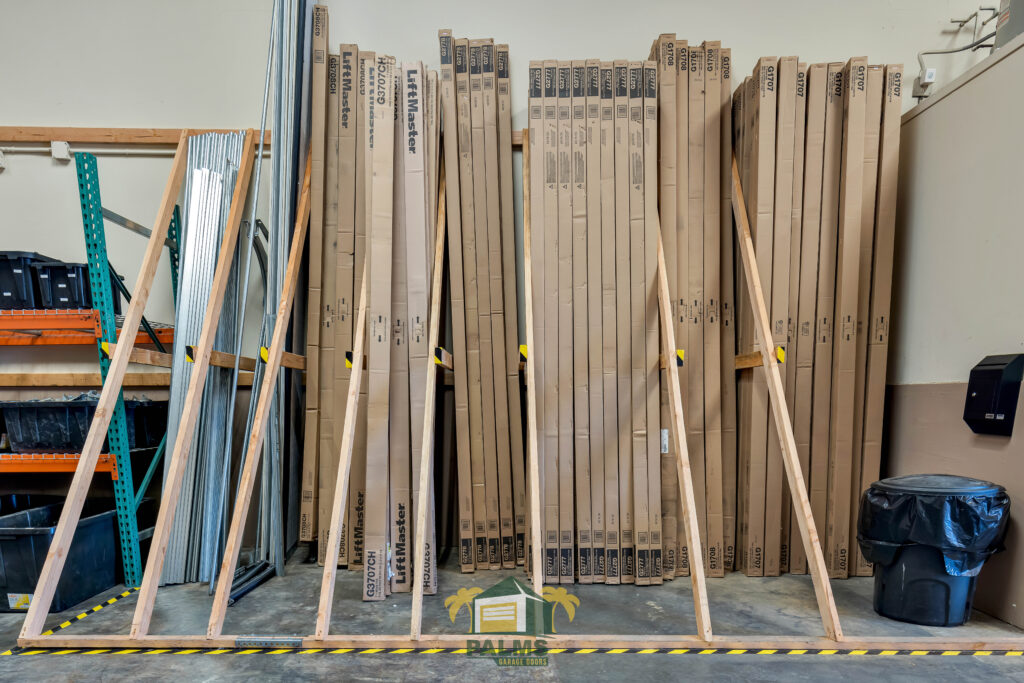
. Garage Door Installation in Sacramento, California: A Homeowner’s Guide A new garage door can instantly upgrade your home’s curb appeal, improve security, and boost energy efficiency. In a climate like Sacramento, California, hot summers make insulation and proper sealing more important than many homeowners realize. If you’re planning a garage door installation, understanding the process, your options, and what separates a professional install from a problem-prone one can save you time, money, and frustration. At Garage Door Doctor’z, we handle garage door installation in Sacramento, California for homeowners and property managers who want a door that looks great and operates smoothly for years. Below is a straightforward guide to new garage door installation, including door types, sizing, insulation, hardware, timelines, cost drivers, and common mistakes to avoid. Why Homeowners Choose a New Garage Door Installation Many customers start by searching for repairs, but in many situations, a new door is the smarter long-term choice. Here are common reasons Sacramento homeowners move forward with a garage door installation: Severe door damage: Bent sections, broken stiles, rotted wood, or a twisted door can make safe operation difficult. Repeated breakdowns: If panels, rollers, cables, and hinges keep failing, replacement can become more cost-effective. Noise and vibration: Older doors often rattle due to worn hardware and poor track alignment. Curb appeal upgrade: A garage door is often one of the largest visual features on the front of your home. Better insulation: An insulated door helps stabilize garage temperature and can reduce heat transfer into adjacent rooms. Safety and security features: Newer doors and hardware improve pinch resistance and tamper resistance. What a Professional Garage Door Installation Includes A professional garage door installation is more than hanging a door in the opening. A complete new garage door installation typically includes: Confirming door size and opening measurements Selecting the correct track radius and hardware for available headroom and sideroom Setting and leveling vertical tracks and horizontal tracks Installing sections (or a single panel on certain older styles) Installing hinges, rollers, and struts or reinforcement if required Installing the spring system (torsion springs in most modern installs) Setting cables and drums, then balancing the door Ensuring proper seal contact at the floor and jambs Testing safe travel and verifying smooth manual operation Reconnecting or installing an opener (if applicable) and checking force and safety settings Even with a high-quality door, an improper installation can lead to premature wear, noisy operation, jams, or unsafe spring tension. Choosing the Right Garage Door Style for Your Sacramento Home When planning a garage door installation in Sacramento, California, style and construction both matter. Common options include: Steel Sectional Garage Doors Steel sectional doors are the most common choice today because they balance performance, cost, and durability. Affordable, durable, and low-maintenance Available in many colors and raised or flush panel designs Often available with insulation and upgraded seals Carriage House (Barn-Style) Garage Doors These doors typically operate like modern sectionals but mimic the look of classic swing-out carriage doors. Decorative hardware and window options A strong fit for traditional and craftsman-style homes Aluminum and Glass Garage Doors A sleek, modern option featuring full-view panels. Contemporary curb appeal Great for garages used as studios or gyms Consider privacy glass or tint depending on your location Wood Garage Doors Wood doors are beautiful, but they typically require more ongoing care. Requires periodic sealing or painting Heavier doors may need appropriately sized springs and added reinforcement If you’re not sure what fits your home, we can help you compare options for a new garage door installation based on budget, sunlight exposure, and your preferred maintenance level. Garage Door Insulation: A Key Upgrade in Sacramento, California Insulation is often overlooked until after installation, when homeowners realize the garage is still uncomfortably hot. For Sacramento’s summer heat, an insulated garage door can: Reduce radiant heat transfer into the garage Make the garage more usable for storage, laundry, or hobbies Help adjacent rooms stay more stable in temperature Look for doors with a higher R-value, commonly achieved with polyurethane or polystyrene insulation. Insulation works best when paired with quality perimeter seals for a tighter overall system. Garage Door Measurements and Sizing: Why Accuracy Matters A successful garage door installation starts with correct measurements. Key measurements include: Width and height of the opening Headroom (space between the top of the opening and the ceiling) Backroom (depth into the garage for horizontal tracks) Sideroom (space on both sides for tracks and hardware) Improper sizing or selecting the wrong track configuration can cause binding, uneven cable tension, and premature roller wear. What to Expect on Garage Door Installation Day For most standard doors, a new garage door installation can often be completed within a single visit, though timelines vary by door type and site conditions. A typical installation process looks like this: 1) Site Prep and Safety Check We protect the work area and confirm the opening dimensions and the condition of framing. 2) Removal of the Old Door (If Replacing) Springs and cables are under tension, so removal must be handled carefully to avoid damage or injury. 3) Track and Hardware Installation Tracks must be plumb, correctly spaced, and securely fastened to the framing for smooth operation. 4) Door Section Assembly and Stacking Sections are installed from bottom to top, along with hinges and rollers. 5) Spring System Setup and Door Balancing Proper balance is critical for smooth, safe operation and helps protect opener performance over time. 6) Seal Check and Alignment We confirm floor contact, side seals, and that the door closes evenly across the full width. 7) Operational Testing We test manual lift and travel to confirm the door moves smoothly and consistently. If an opener is included in the scope, we also confirm safety sensors, travel limits, and force settings. Common Garage Door Installation Mistakes to Avoid If you’re comparing contractors, watch for these common red flags that often lead to problems later: Reusing worn hardware that should be replaced during a new install Incorrect
Garage Door Opener Repair in Sacramento, California: Fast Troubleshooting, Safe Fixes & New Opener Installation
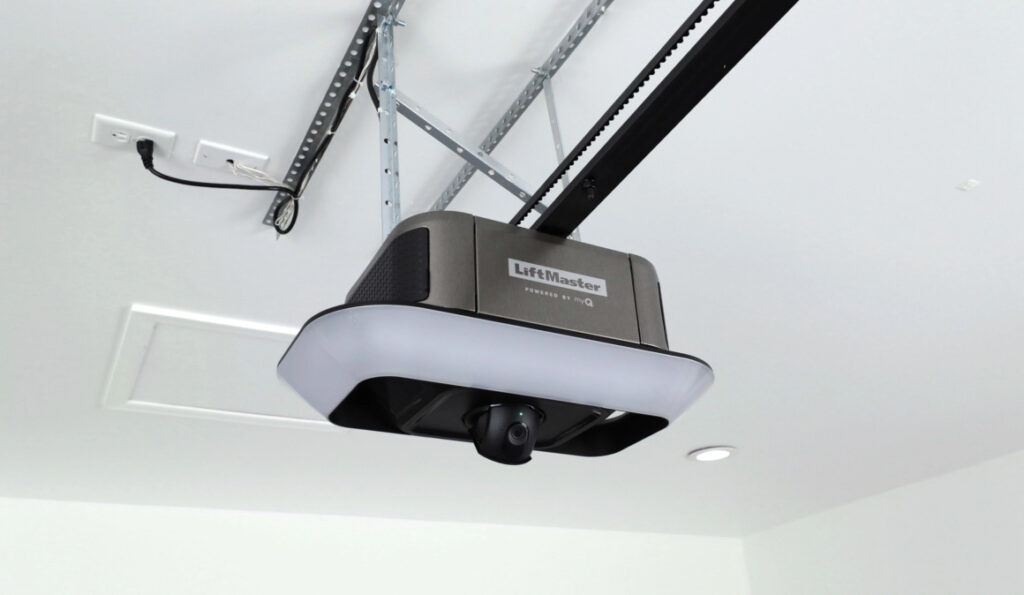
. Garage Door Opener Repair in Sacramento, California: Common Problems, Diagnosis, and When to Replace A reliable garage door opener is one of those home essentials you barely notice—until it stops working. If your door won’t open, reverses unexpectedly, makes loud grinding noises, or the remote works only sometimes, it’s time to consider professional garage door opener repair. For homeowners and property managers in Sacramento, California, Garage Door Doctor’z provides efficient diagnostics, dependable repairs, and clean, correct garage door opener installation when replacement makes more sense. In this guide, you’ll learn what causes common opener problems, how a technician pinpoints the issue, and when you should repair vs. replace. You’ll also see what to expect during service, which parts matter most, and how to keep your opener running smoothly through Sacramento’s seasonal changes. Why Garage Door Opener Problems Happen A garage door opener system combines electronics, drive components, safety sensors, and door hardware. When any part is out of tolerance—such as a misaligned photo-eye, worn gear, weak motor capacitor, or a door that’s too heavy—the opener can struggle or fail. Here are the most common causes we see in Sacramento, California. 1) Sensor Alignment and Wiring Issues Photo-eye safety sensors prevent the door from closing on people, pets, or objects. If sensors are misaligned, dirty, affected by sun glare, or have pinched wiring, the door may not close or may reverse immediately. 2) Worn Internal Gears or Sprockets Many openers use plastic or composite gears designed to fail before the motor does. When a gear strips, you may hear the motor “whirring” while the door doesn’t move. 3) Travel and Force Settings Out of Calibration If the opener “thinks” the door hit an obstacle, it will reverse to protect people and property. This can happen after temperature swings, changes in door balance, or minor track shifts. 4) Remote, Keypad, or Receiver Problems Sometimes the opener is fine, but the controls aren’t. Common causes include weak batteries, lost programming, interference, or a failing logic board/receiver. 5) Drive System Problems (Belt, Chain, Screw, or Rail) A loose chain, worn belt, or damaged rail can lead to jerky movement, increased noise, or an opener that binds mid-cycle. 6) The Door Itself Is the Real Problem An opener isn’t designed to lift a door that’s out of balance. If springs are weak, cables are frayed, or rollers are seized, the opener works harder, overheats, and fails sooner. That’s why garage door opener repair should include a door balance and hardware check to help prevent repeat issues. Signs You May Need Garage Door Opener Repair If you notice any of the following symptoms, it’s best to schedule service before the problem gets worse. Door won’t open or close consistently Opener hums but the door doesn’t move Door starts down, then reverses Excessive vibration or loud grinding/ratcheting sounds Remote works intermittently or only at close range Wall button works but remotes don’t (or vice versa) Door closes and immediately opens back up Flashing diagnostic lights or visible error codes In Sacramento, California, dust buildup and changing garage use patterns can contribute to sensor issues and increased rail/chain lubrication needs. A quick professional inspection often restores reliability and improves safety. How Garage Door Doctor’z Diagnoses Garage Door Opener Issues Every service call starts with a practical, safety-first inspection to confirm what’s happening and why. 1) Confirm the Symptom We test the wall control, remotes, keypad, and the safety reversal function to verify the issue and rule out simple control failures. 2) Inspect Safety Sensors We check sensor alignment, lens condition, wiring integrity, and mounting stability. Even a small shift can cause the door to reverse or refuse to close. 3) Check Door Balance and Movement With the opener disengaged, we lift the door manually to confirm it isn’t too heavy and that it moves smoothly. This step matters because a poorly balanced door can mimic opener failure. 4) Inspect the Drive and Rail We look for worn sprockets, incorrect chain/belt tension, cracked mounts, and rail damage that can cause binding or noise. 5) Evaluate Electronics We inspect the logic board, capacitor (when applicable), wiring terminals, and smart features such as Wi-Fi modules. Once the root cause is identified, we explain your repair options clearly so you can choose what fits your budget and how long you plan to stay in the home. Repair vs. Replacement: Which Option Makes More Sense? Garage door opener repair is often the best choice when the unit is relatively modern, the motor is healthy, and the issue is limited to sensors, settings, remotes, or a replaceable wear part. However, garage door opener installation (replacement) may be the smarter move when: The opener is 10–15+ years old and parts are failing repeatedly The logic board is failing and repair costs approach replacement The unit lacks modern safety and security features You want a quieter system (for example, a belt drive instead of an older chain drive) You want smartphone control, battery backup, improved lighting, or camera features Many Sacramento, California homeowners upgrade for noise reduction and convenience, especially when bedrooms are located above the garage. What’s Included in Professional Garage Door Opener Installation If you decide to replace your opener, proper installation is just as important as the brand you choose. A correct install reduces noise, prevents premature wear, and ensures safe operation. A typical garage door opener installation from Garage Door Doctor’z includes: Removal of the old opener (when applicable) Secure mounting to framing (not just drywall) Correct rail/arm geometry and header bracket support Proper sensor placement, alignment, and fastening Travel and force setup with full safety reversal testing Remote and keypad programming A basic homeowner walk-through for operation and maintenance We also verify the door is properly balanced so the new opener doesn’t inherit the same strain that may have damaged the previous unit. How to Choose the Right Garage Door Opener for Your Sacramento Home There isn’t one “best” garage door opener for every household. The right choice depends
Garage Door Opener Repair in Sacramento, California: Fast Fixes & Professional Installation
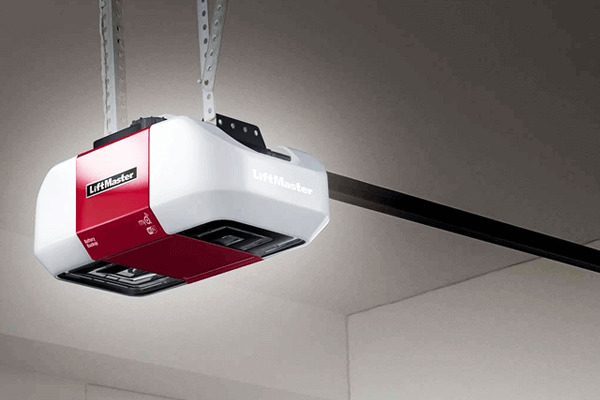
. A reliable garage door opener is one of the most important conveniences—and safety features—in any home or business. When it starts grinding, stalling, failing to close, or only working intermittently, it becomes more than an annoyance. It can trap your vehicle, weaken security, or create a safety hazard for your family. At Garage Door Doctor’z, we specialize in garage door opener repair and garage door opener installation in Sacramento, California. Whether you need a quick adjustment, circuit troubleshooting, gear replacement, or a full opener upgrade, our technicians will diagnose the issue and recommend the safest, most cost-effective solution. Common Signs You Need Garage Door Opener Repair Most garage door opener problems show warning signs before they completely fail. If you notice any of the issues below, it’s time to schedule professional garage door opener repair. The opener runs but the door doesn’t move This often points to a stripped drive gear, a broken trolley, a disengaged carriage, or a more serious issue with the door itself (springs, rollers, or track). A proper inspection ensures we fix the real cause—not just the symptom. The door reverses unexpectedly If your door starts to close and then reverses, the safety sensors may be blocked or misaligned, or the opener’s force settings may be incorrect. In some cases, worn rollers or track misalignment can cause binding, which the opener interprets as an obstruction. The remote or wall button works intermittently Intermittent operation can be caused by wiring problems, a failing circuit board, electrical interference, or a weak remote battery. Modern openers can also lose programming after power events, so reprogramming and testing may be needed. Unusual noises (grinding, buzzing, squealing) Strange noises can signal worn gears, a failing motor, a loose chain or belt, or lubrication issues. Addressing the problem early can prevent a larger breakdown. An older opener that’s becoming unreliable If your opener is 10–15+ years old, it may lack modern safety and security features. In that case, garage door opener installation may make more sense than paying for repeated repairs. What Causes Garage Door Opener Problems? In Sacramento, California, daily use, heat, dust, and normal wear-and-tear can lead to garage door opener issues. Some of the most common causes include: Worn drive gears or sprockets (common in chain-drive openers) Loose chain or belt tension that creates jerky movement Misaligned safety photo eyes that prevent the door from closing Damaged logic board due to electrical issues or age Wiring problems at the wall button or sensor leads Improper force or travel limits that cause reversing or slamming Door hardware friction (rollers, hinges, tracks) that overloads the opener A professional diagnosis matters because the opener isn’t always the true problem. If your garage door is heavy due to spring wear or track binding, it can quickly destroy an opener if it isn’t corrected. Our Garage Door Opener Repair Process When you call Garage Door Doctor’z for garage door opener repair in Sacramento, California, we follow a systematic approach to restore safe, reliable performance: Safety check: Confirm the door is safe to operate and assess spring balance. Sensor inspection: Check photo eyes for alignment, wiring, and proper function. Mechanical inspection: Inspect trolley operation, rail condition, chain/belt tension, and mounting integrity. Electrical diagnostics: Evaluate the wall station, remotes, logic board indicators, and power supply. Travel/force calibration: Adjust limits and force settings to manufacturer specifications. Final testing: Test auto-reverse, sensor safety features, and overall smooth operation. Our goal is to fix the problem correctly and help you avoid repeat breakdowns. When to Choose Garage Door Opener Installation Instead of Repair In some cases, replacing the opener is the smarter long-term solution. Garage door opener installation may be the best option if you’re dealing with: Repeated failures or frequent service calls Obsolete parts that are difficult to source Major motor or logic board failure where repair cost approaches replacement Safety and security upgrades (rolling code security, improved auto-reverse, battery backup) Noise concerns in attached garages where quiet operation matters If you’re considering a new garage door opener installation, we’ll help you choose the right system based on your door type, daily usage, and budget. Choosing the Right Garage Door Opener (Chain, Belt, or Wall-Mount) Different opener designs fit different garages and priorities. Here’s how the most common options compare. Chain-drive garage door openers Chain-drive openers are durable and cost-effective, making them a great fit for detached garages. They tend to be louder than belt-drive systems. Belt-drive garage door openers Belt-drive openers provide quieter, smoother operation. They’re ideal for attached garages and homes with bedrooms above the garage. Wall-mount (jackshaft) garage door openers Wall-mount openers install beside the door, freeing up ceiling space for storage or a lift. They can also be an excellent option for high-lift or specialty setups when compatible. Before installing a new opener, we’ll confirm your garage door is properly balanced and in good condition so your system performs at its best. Garage Door Opener Safety: When Not to DIY Simple tasks like replacing remote batteries or clearing sensor obstructions are usually fine. However, many “opener problems” are actually garage door balance or spring-tension issues. A heavy, unbalanced door can be dangerous and can burn out a new opener quickly. If your door feels heavy, slams shut, or won’t stay open halfway, it may need door service in addition to opener work. Our technicians can identify these issues during your appointment. How to Keep Your Garage Door Opener Working Longer Routine maintenance helps prevent unexpected breakdowns and extends the life of your opener. A few simple habits make a big difference: Keep photo eyes clean and aligned Lubricate door hardware (rollers and hinges) with a proper garage door lubricant Make sure the door is balanced to reduce strain on the opener Replace remote batteries as needed Schedule periodic professional inspections for wear and safety checks Why Sacramento Homeowners Choose Garage Door Doctor’z Garage Door Doctor’z is committed to dependable service, clear recommendations, and safe repairs. When you need garage door opener repair
Garage Door Installation in Roseville, California: A Homeowner’s Guide to New Garage Door Installation
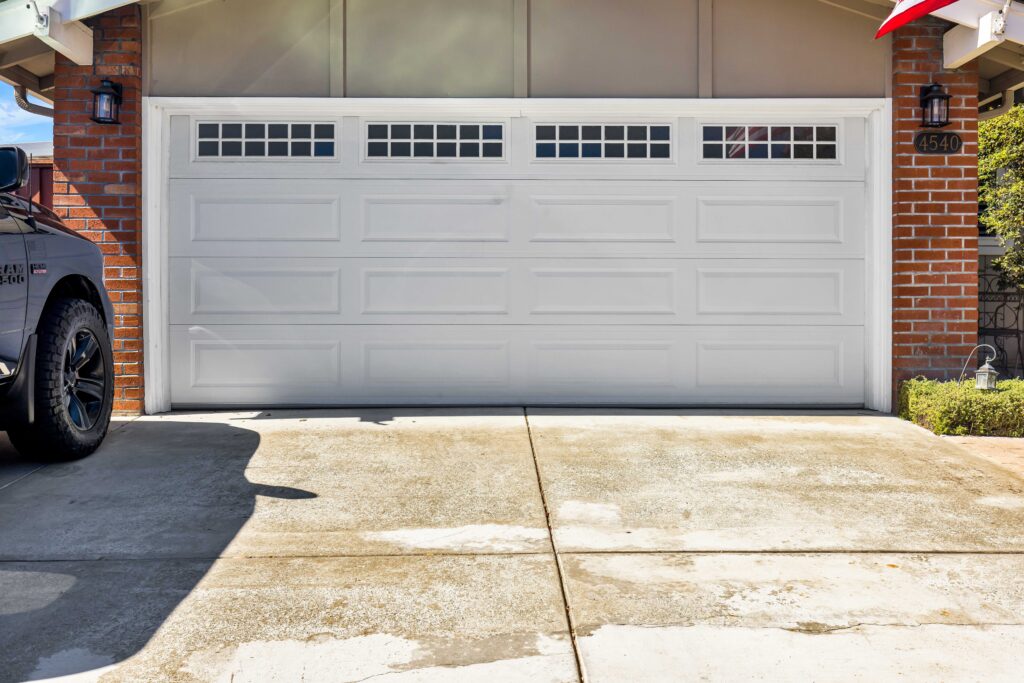
. A new garage door can dramatically improve your home’s curb appeal, security, and everyday convenience. If your current door is loud, heavy, dented, outdated, or no longer sealing properly, a professional garage door installation is often the smartest long-term solution. In Roseville, California, the right door and a correct install matter even more with warm summers, changing weather, and frequent daily use. At Garage Door Doctor’z, we help homeowners choose the right materials, insulation level, style, and hardware, then install everything to manufacturer specifications for safe, smooth operation. This guide covers what to expect during installation, how to choose the best garage door for your home, and how to avoid common issues. Why Homeowners in Roseville Replace Their Garage Doors Your garage door is the largest moving part of most homes. Even a quality door can wear down over time, and ongoing repairs can become frustrating and expensive. Here are the most common reasons Roseville homeowners decide to replace their garage door. Frequent Breakdowns and Costly Repairs If you’re repeatedly scheduling service for rollers, cables, hinges, track alignment, or damaged panels, replacement may be more cost-effective than continuing repairs. Poor Curb Appeal An older garage door can make the entire front of your home look dated. A new door instantly improves appearance and can boost resale appeal. Noise and Vibration Worn rollers, aging track systems, and unbalanced doors can cause rattling and vibration. New doors with updated hardware typically run much quieter. Security Concerns Older doors may have weak locking points, damaged panels, or limited compatibility with modern openers. A properly installed new garage door is sturdier and integrates better with today’s security features. Energy Efficiency and Comfort If your garage is attached, insulation and sealing make a difference. Better insulation and tighter perimeter seals can help stabilize temperatures and reduce drafts. How to Choose the Right Garage Door for Your Home A successful garage door installation starts with choosing the right door. The best option depends on your home’s style, how you use the garage, and how much maintenance you want to handle. Garage Door Material Options Each material offers its own balance of durability, appearance, and upkeep. Steel: Durable, low-maintenance, and available in many designs. This is often the most popular choice. Wood: Classic and beautiful, but heavier and requires routine maintenance. Aluminum: Lightweight and corrosion-resistant, ideal for modern styles. Composite/faux wood: Wood-look style with added stability and typically less maintenance. Insulation and R-Value For many Roseville homes, insulation is a practical upgrade—especially if your garage doubles as a workshop, gym, laundry area, or storage space. An insulated garage door can also reduce outside noise and improve door rigidity for smoother performance. Style, Design, and Windows Your new garage door should complement your home’s architecture. Windows can add natural light and a premium look, but it’s important to consider privacy, sun exposure, and heat gain. Door Size and Configuration Single-car and double-car doors require different hardware and reinforcement. Accurate measuring is essential because fit depends on more than door width and height. Width and height Headroom Side room Backroom What’s Included in a Professional Garage Door Installation A professional new garage door installation involves more than hanging panels. The entire system must be assembled, aligned, balanced, and safety-checked to ensure reliable performance. Typical installation scope includes: Removing and disposing of the old door (when applicable) Inspecting the framing and garage opening condition Installing tracks, jamb brackets, and hinges Setting up the torsion or extension spring system (as required) Installing cables, drums, rollers, and bearings Aligning and leveling tracks Balancing the door and setting correct spring tension Installing weather seals (bottom seal and perimeter trim, as needed) Testing manual operation and performing safety checks If you’re upgrading your operator as well, we can coordinate garage door opener installation to ensure proper reinforcement and smooth operation. Why Proper Installation Matters for Safety and Performance A garage door system lifts hundreds of pounds using spring tension. When a door is installed incorrectly, it can create performance problems and serious safety risks. Improper installation can lead to: A door that slams shut or won’t stay open Premature wear on rollers, hinges, and track Opener strain, stripped gears, or failure due to poor balance Noisy operation and excessive vibration Higher risk of cable failure or spring issues Professional garage door installation ensures the door is properly aligned and balanced so it runs smoothly without overloading the opener. When to Replace Your Garage Door Instead of Repairing It Repairs are often the right solution for minor wear and tear. However, replacement becomes the better option when damage is extensive or reliability is slipping. Replacement is usually the smarter choice when: Multiple panels are dented, cracked, rusting, or failing The door is severely bowed or out of square Parts are obsolete and difficult to source The door regularly jumps the track or feels unsafe Repair costs are approaching the cost of a newer, stronger door A technician from Garage Door Doctor’z can inspect your current system and provide straightforward options based on safety, cost, and long-term value. How Long Does a Garage Door Installation Take? Most standard garage door installations can be completed the same day. Timing depends on the door type and whether framing repairs, custom features, or opener work is needed. The priority is never speed—it’s making sure the system is level, balanced, and fully tested before the job is finished. Popular Garage Door Add-Ons for Better Performance When planning a garage door installation in Roseville, California, consider upgrades that improve durability, comfort, and daily convenience. Nylon rollers: Quieter and smoother than older metal rollers Upgraded bottom seal and perimeter weatherstripping: Better sealing against dust, drafts, and moisture Reinforcement struts: Helpful for wider doors and doors paired with openers Smart opener compatibility: Enables phone control, alerts, and improved security Keypad and remotes: Easier access for family members and guests Maintenance Tips After Your New Garage Door Installation With simple routine care, your new garage door can stay quieter, safer, and more
Garage Door Repair in Lincoln, California
Garage Door Doctor’z provides professional garage door repair in Lincoln, California. If your door is noisy, stuck, or operating unevenly, our technicians can diagnose the issue and restore safe, smooth performance. Call (833) 991-3899 to schedule service.
Garage Door Repair in Roseville, California: Reliable Service for Smooth, Safe Operation
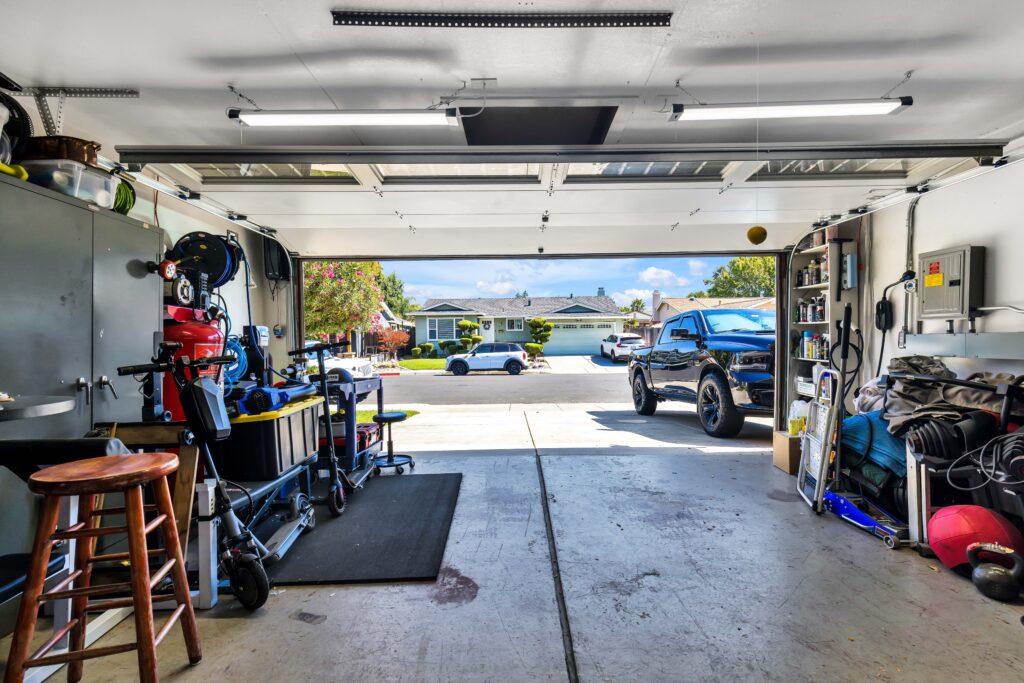
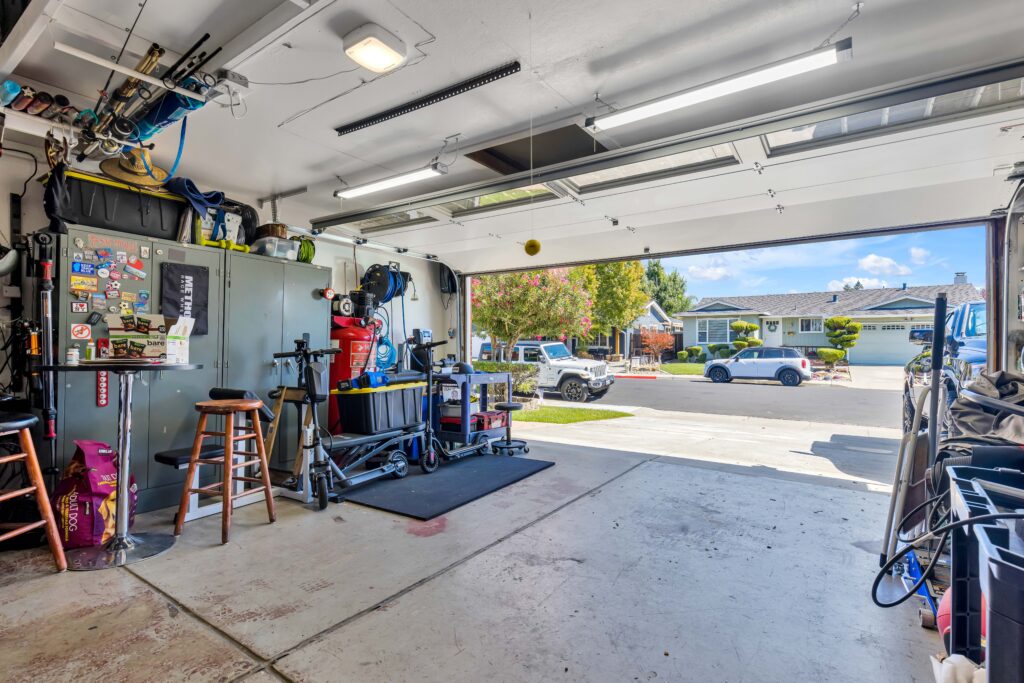
. Reliable Garage Door Repair in Roseville, California A garage door is one of the largest moving parts in your home, and when it stops working properly, it can disrupt your entire day. If your door is noisy, slow, stuck halfway, or won’t close reliably, professional garage door repair can restore safety, convenience, and peace of mind. At Garage Door Doctor’z, we provide dependable garage door service in Roseville, California, with accurate troubleshooting, quality parts, and workmanship you can trust. In the image, the door is open and the garage is in active daily use—vehicles, storage, and equipment all rely on safe, consistent access. That’s why a properly operating system matters: your door should open smoothly when you need it and close securely when you leave. Why Timely Garage Door Repair Matters Delaying repairs often turns a small issue into an expensive breakdown. A door that hesitates, shakes, or slips out of alignment may be warning you about problems that can worsen quickly. Common early warning signs include: Worn rollers or hinges causing friction and noise Loose track hardware creating unstable travel Cable wear that can lead to uneven lifting Opener strain from a door that’s out of balance Safety sensor issues that prevent reliable closing Quick garage door repair helps prevent sudden failures, reduces the risk of property damage, and improves safety for families, pets, and vehicles. Common Garage Door Problems We Fix in Roseville Homeowners often schedule garage door service when they notice one or more of the issues below. Our goal is to identify the root cause and restore smooth, dependable operation. 1) Garage Door Won’t Open or Won’t Close This problem can stem from sensor alignment issues, track obstructions, broken cables, worn springs, or opener-related faults. We inspect the entire system so the real cause is fixed—not just the symptom. 2) Garage Door Is Loud, Grinding, or Popping Unusual noises typically point to worn rollers, loose hardware, lack of lubrication, or track misalignment. In many cases, a professional tune-up can dramatically reduce noise while extending the life of the door’s components. 3) Garage Door Is Crooked or Moves Unevenly An uneven door often indicates cable problems, track issues, or roller wear. Continuing to operate the door in this condition can cause binding or even lead to the door coming off the track. 4) Garage Door Feels Heavy or Slams Shut Garage doors rely on springs to handle most of the lifting. If a spring is worn or broken, the opener may struggle, and manual operation can become unsafe. As part of any garage door repair evaluation, we check balance to confirm the system is operating correctly. 5) Garage Door Reverses Before Fully Closing If your door starts to close and then reverses, it may be sensing resistance, the safety sensors may be misaligned, or the opener’s force and limit settings may be off. We confirm safe settings and proper sensor operation to restore reliable closing. What to Expect From Our Garage Door Service Garage Door Doctor’z focuses on clear communication and durable repairs. During a typical service visit, you can expect a complete evaluation and professional workmanship from start to finish. Full system inspection: Tracks, rollers, hinges, cables, springs, bearings, and opener connection points Safety checks: Sensor alignment, auto-reverse testing, and door balance verification Diagnosis and recommendations: Clear explanation of the problem and repair options Professional repair: Hardware tightening, track alignment, component replacement, and smooth-travel adjustments Final testing: Multiple open/close cycles to confirm consistent operation We prioritize repairs that restore long-term reliability—not short-lived fixes. Garage Door Repair vs. Replacement: How to Decide Many garage door issues can be repaired without replacing the entire door. However, replacement may be the better option when damage or age makes repairs less practical. Replacement may make sense if: The door panels are severely damaged or rusted The door is obsolete and parts are difficult to find You want improved insulation, curb appeal, or noise reduction Multiple major components are failing due to age If replacement is the best solution, we’ll explain why. If a repair provides the best value, we’ll recommend that instead. Simple Homeowner Checks (Before You Call) If your garage door isn’t working properly, a few safe checks may help you identify a simple issue before scheduling service. Make sure nothing is blocking the safety sensor path near the floor Confirm the opener is plugged in and the breaker hasn’t tripped Look for obvious obstructions in or near the track Listen for unusual sounds when the opener attempts to run For safety, avoid adjusting springs or cables yourself. These parts are under high tension and can be dangerous without proper tools and training. Serving Roseville Homeowners With Dependable Local Help Roseville homeowners need garage doors that can handle daily use—multiple cycles per day, changing temperatures, and constant activity in and out of the garage. Garage Door Doctor’z provides professional garage door repair and garage door service in Roseville, California, with a focus on safety, performance, and correct alignment. Schedule Garage Door Repair With Garage Door Doctor’z If your garage door is noisy, uneven, stuck, or simply not dependable, we’re ready to help. Contact Garage Door Doctor’z to schedule a visit and get your system running smoothly again. Garage Door Doctor’z Website: https://garagedoordoctorz.com Phone: (833) 991-3899 Email: info@garagedoordoctorz.com When you need trusted garage door repair in Roseville, California, count on Garage Door Doctor’z for professional service and lasting results.